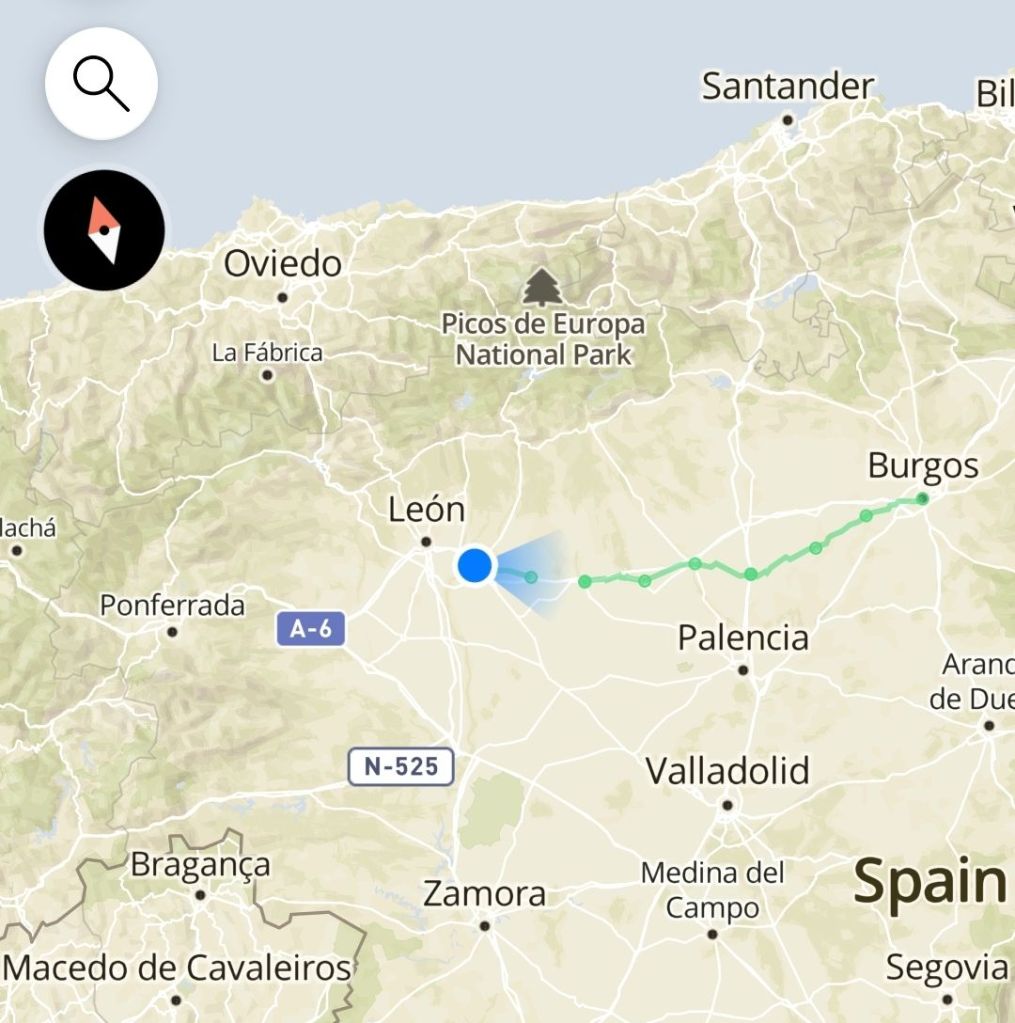
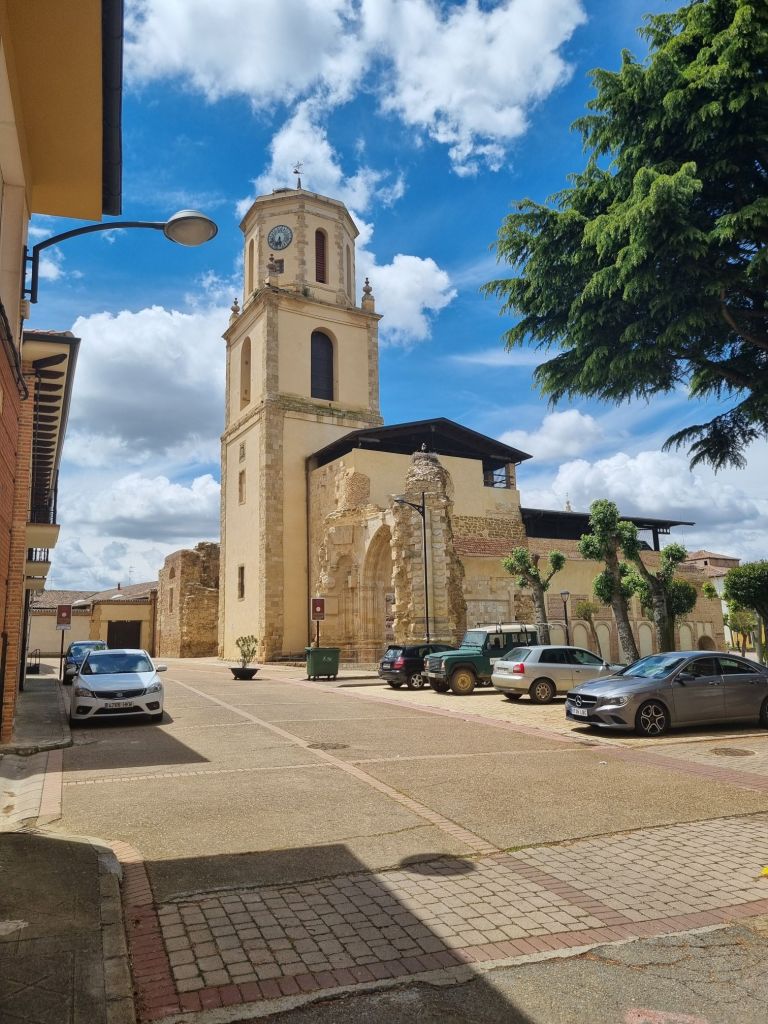
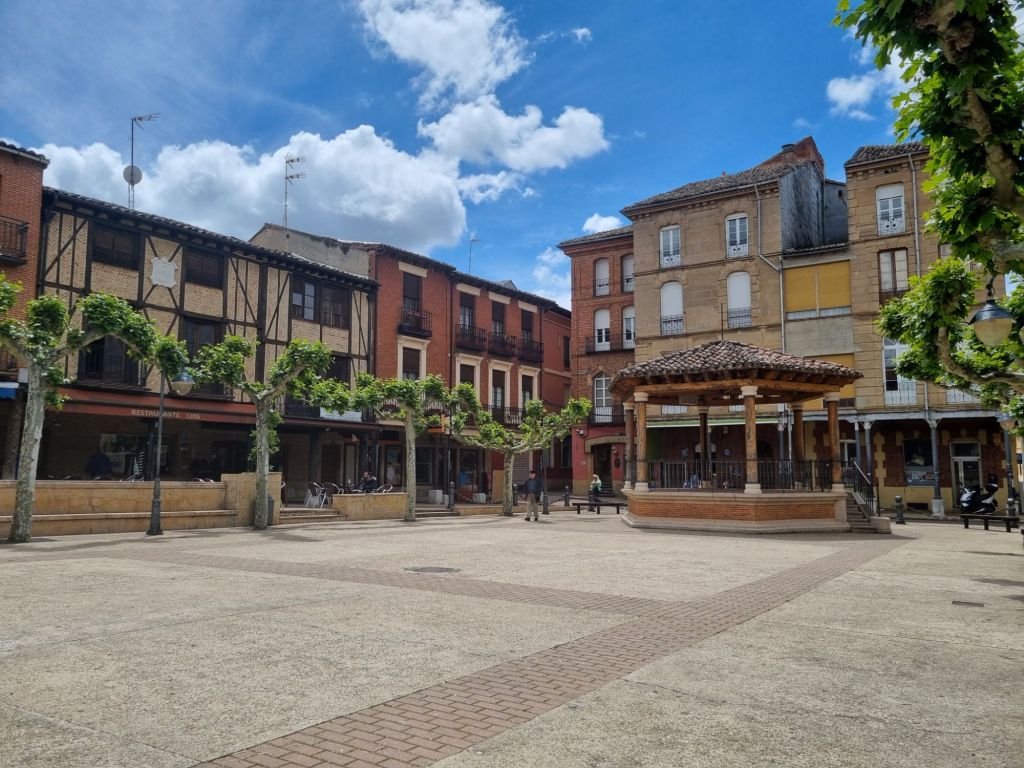
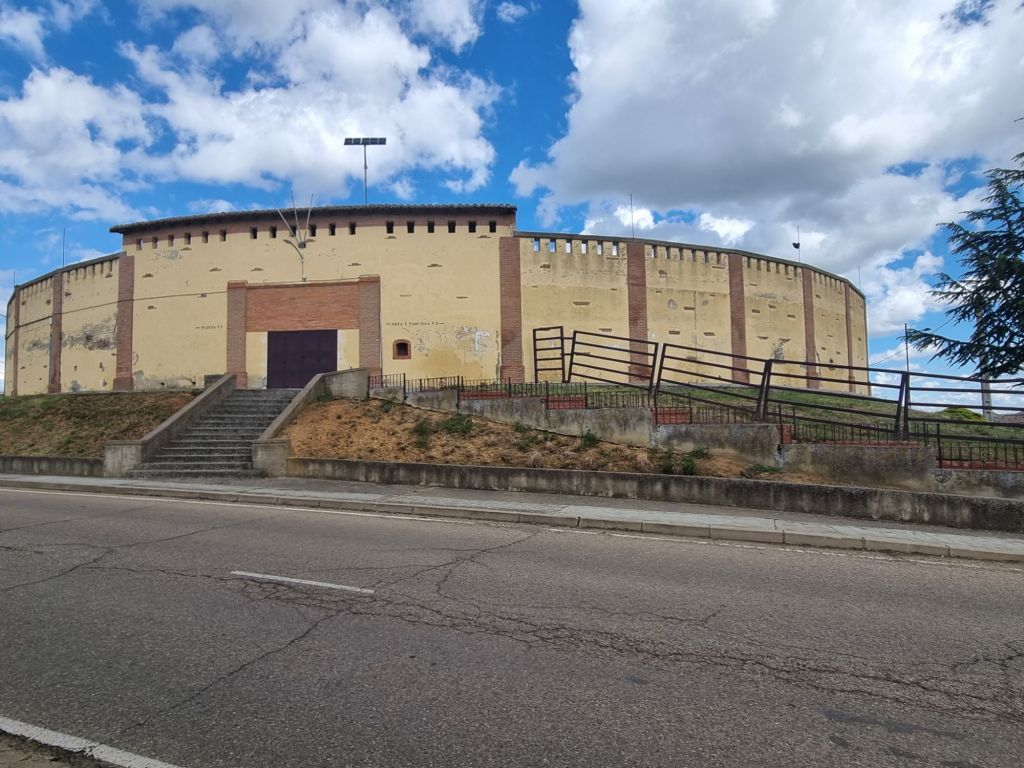
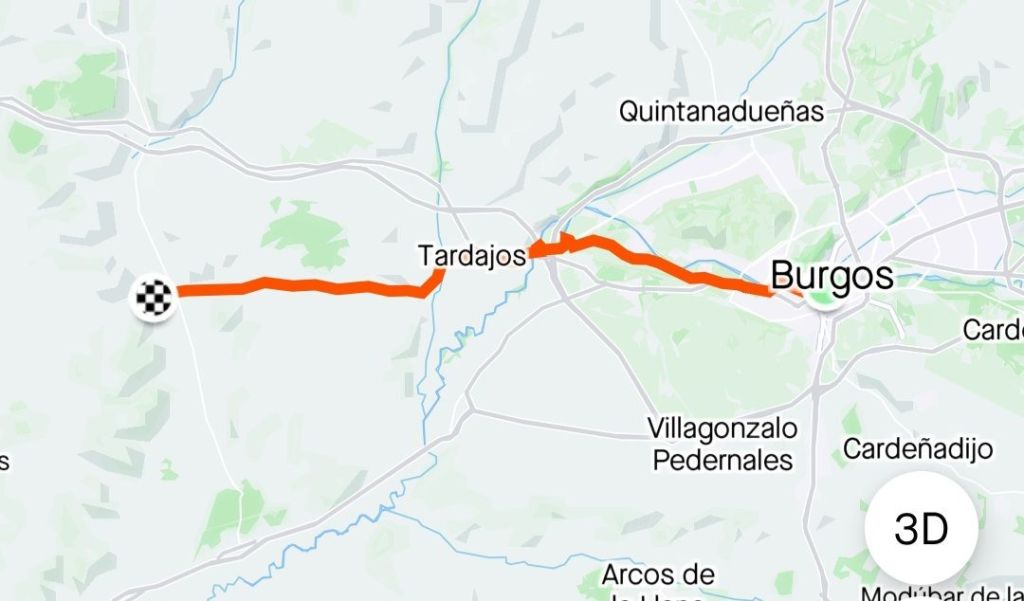
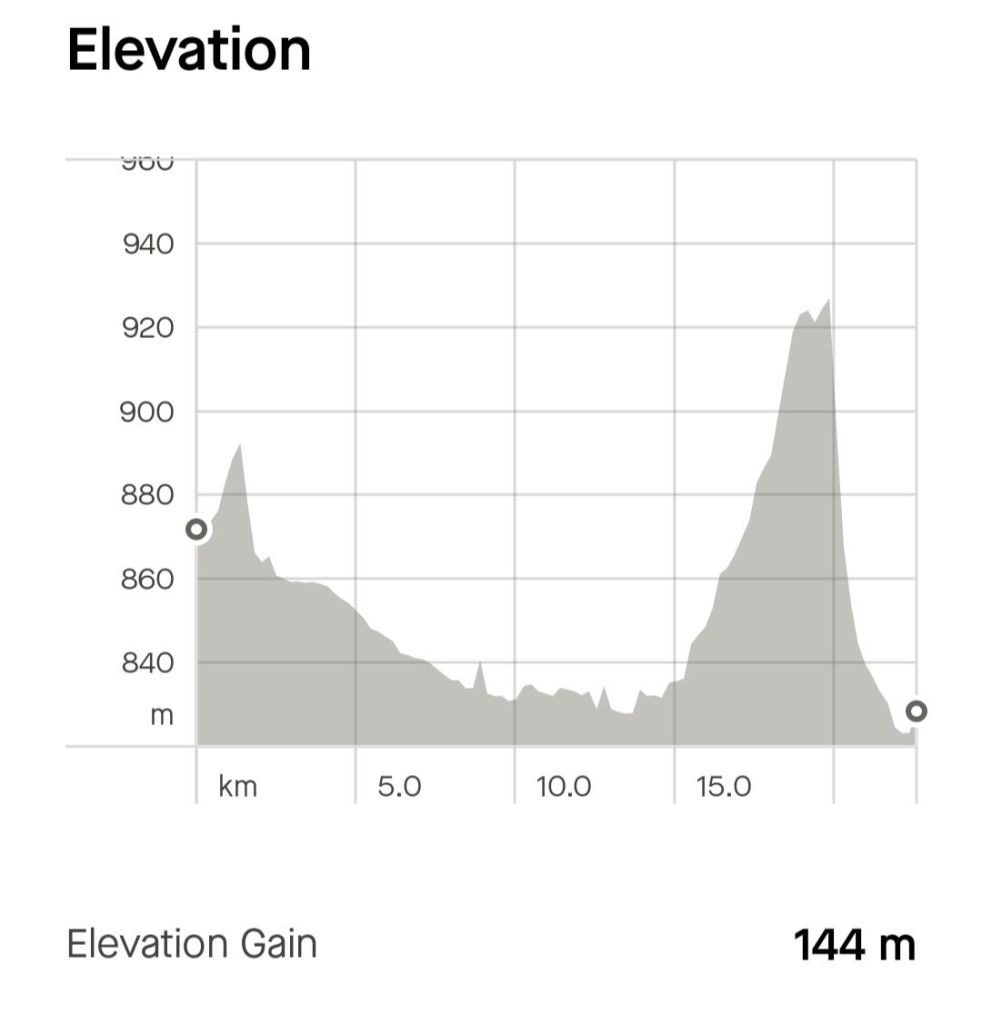
Day 10 – León to Villavante

Rest day

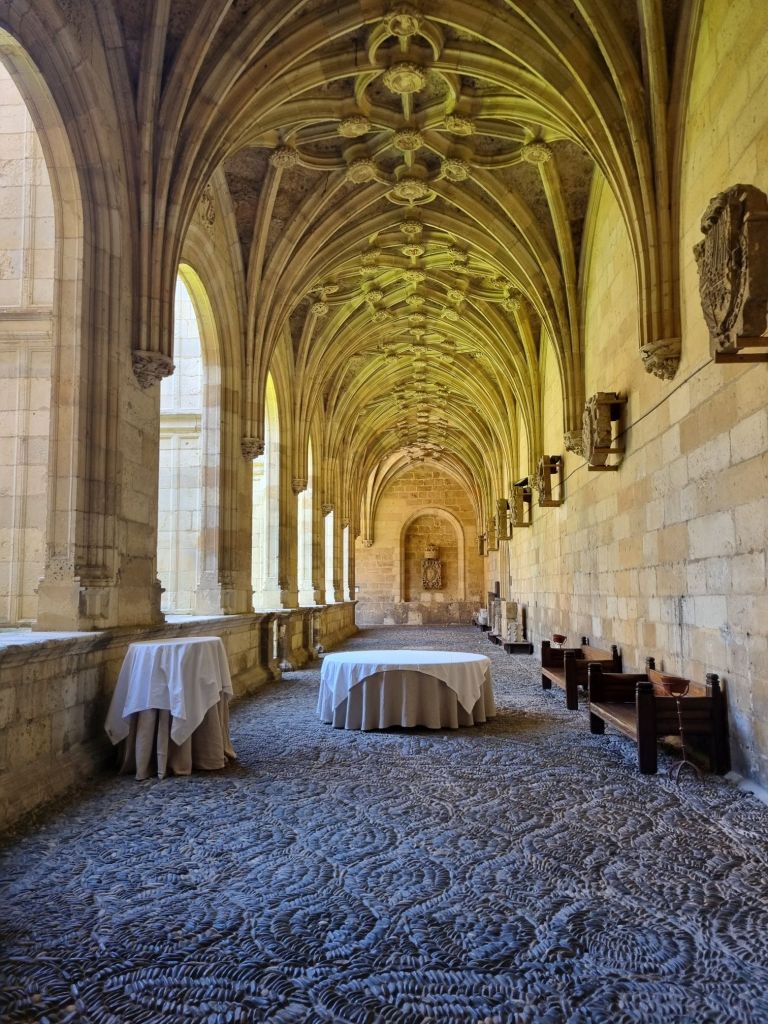
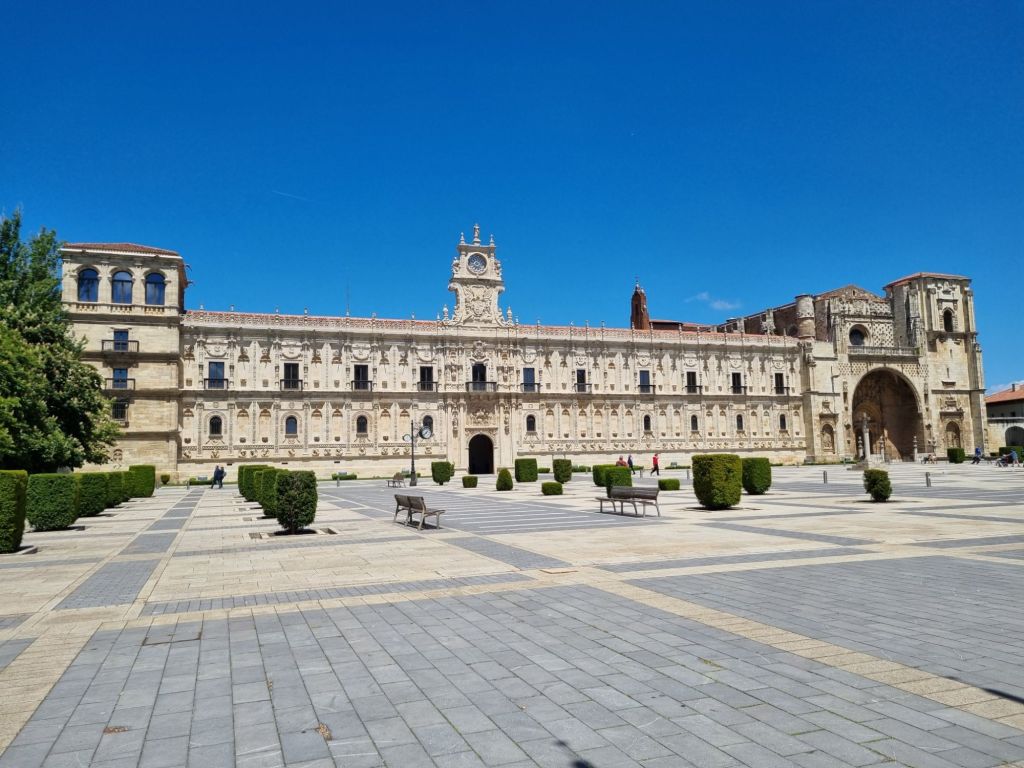
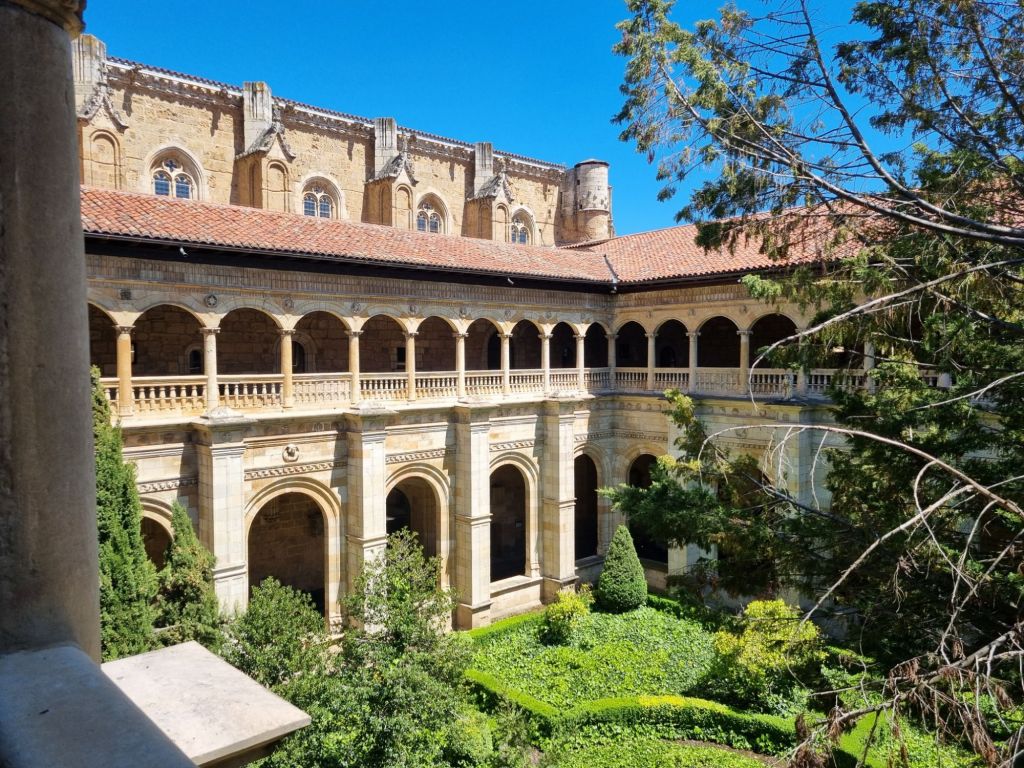
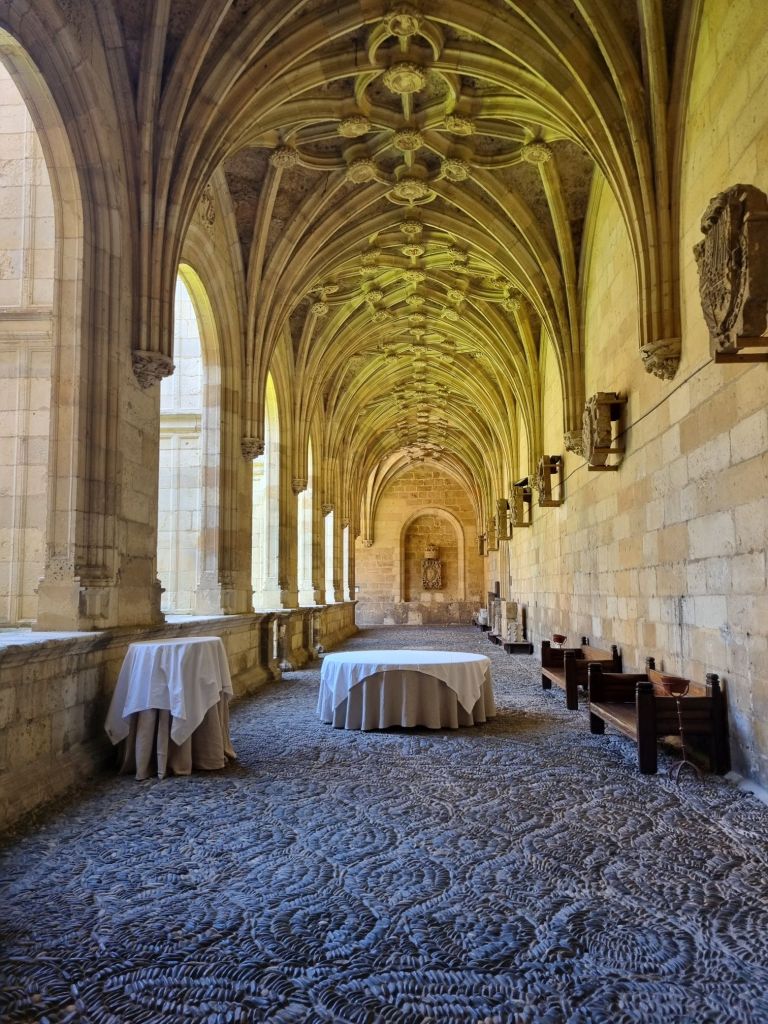
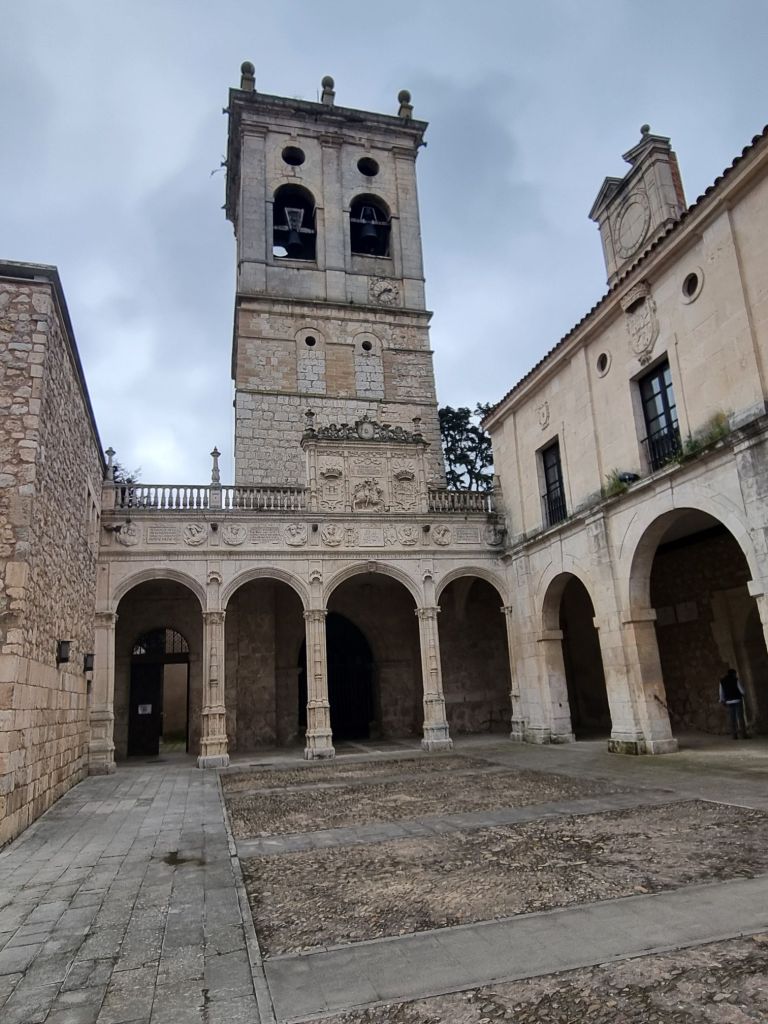
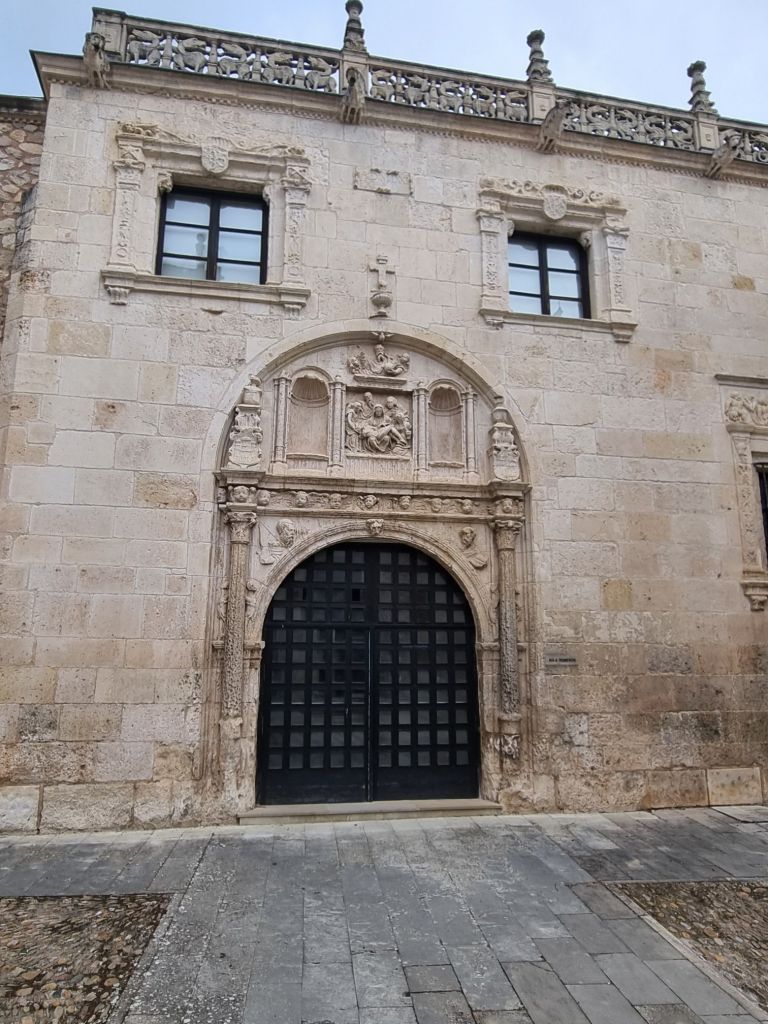
We enjoyed our rest day in León. Our hotel was a Parador, a set of state owned hotels using renovated historic Spanish buildings. The present building of the Convent of San Marco was started in the 16th century and work continued through to the 18th century. In the last decade the building has been repurposed and updated as an upmarket hotel.
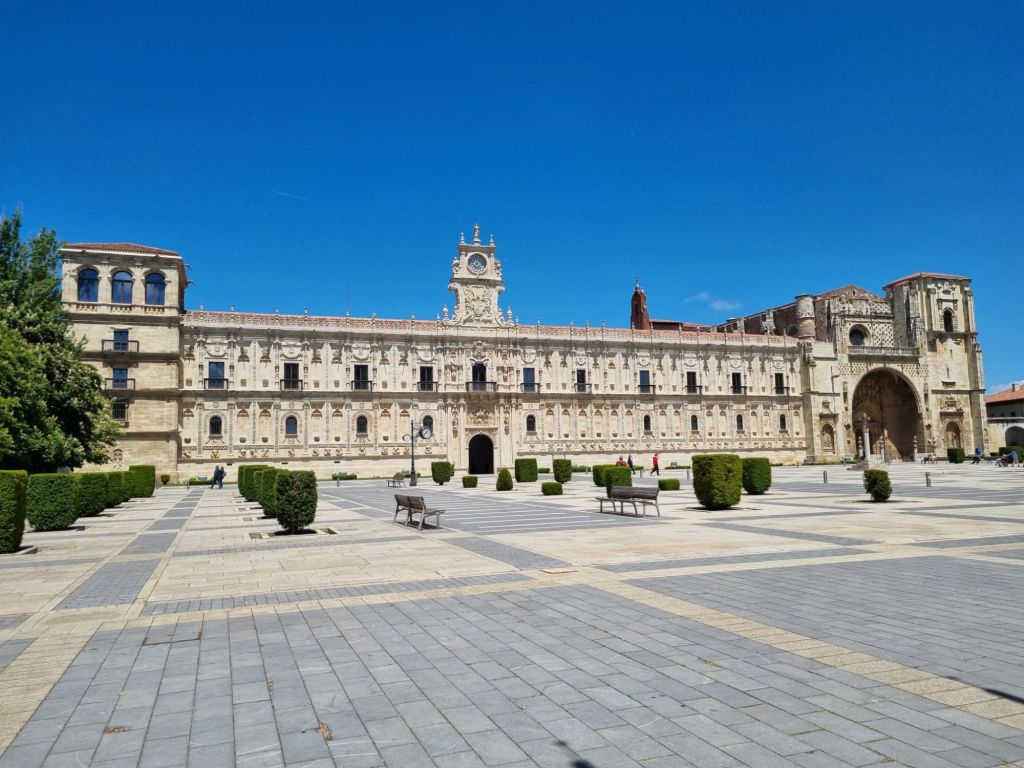
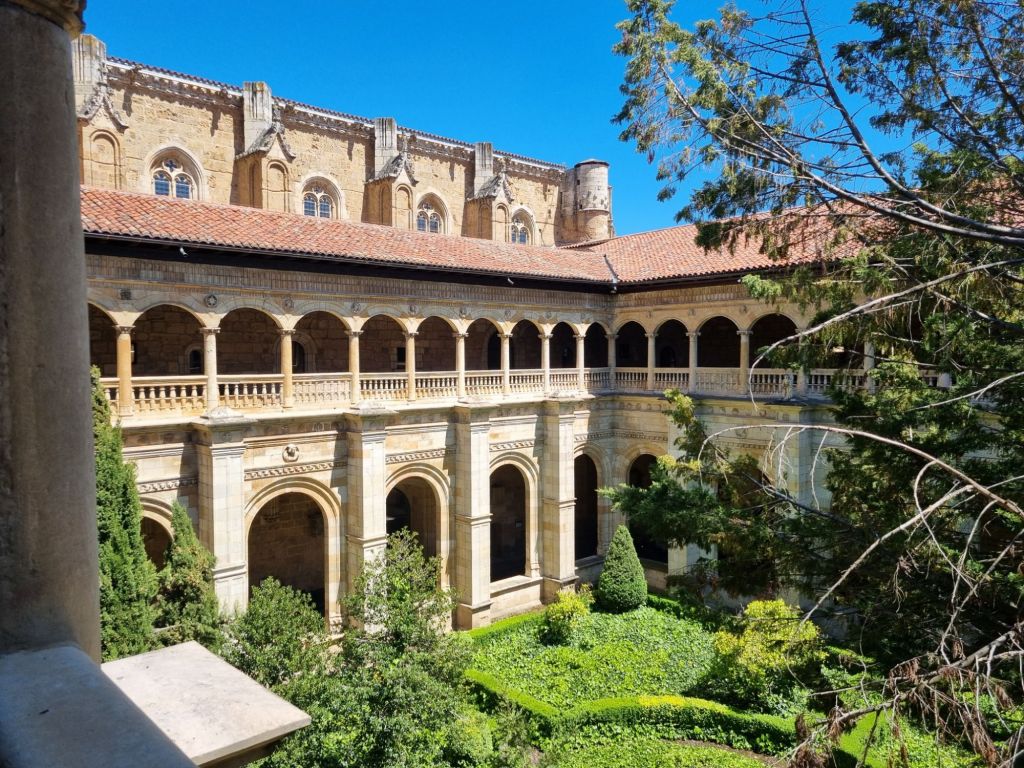
The rebellion that started the Spanish Civil War began in León in 1936. This was the heartland of the conservative world of army, landowners and church. Franco used San Marco as one of the key concentration camps or prisons. From 1936 to 1940 around 20,000 Republican men and women moved through this prison which had an awful reputation. During the repression by Franco about 3,000 people were killed in and around León, many of them in San Marco. The building has witnessed terrible events.
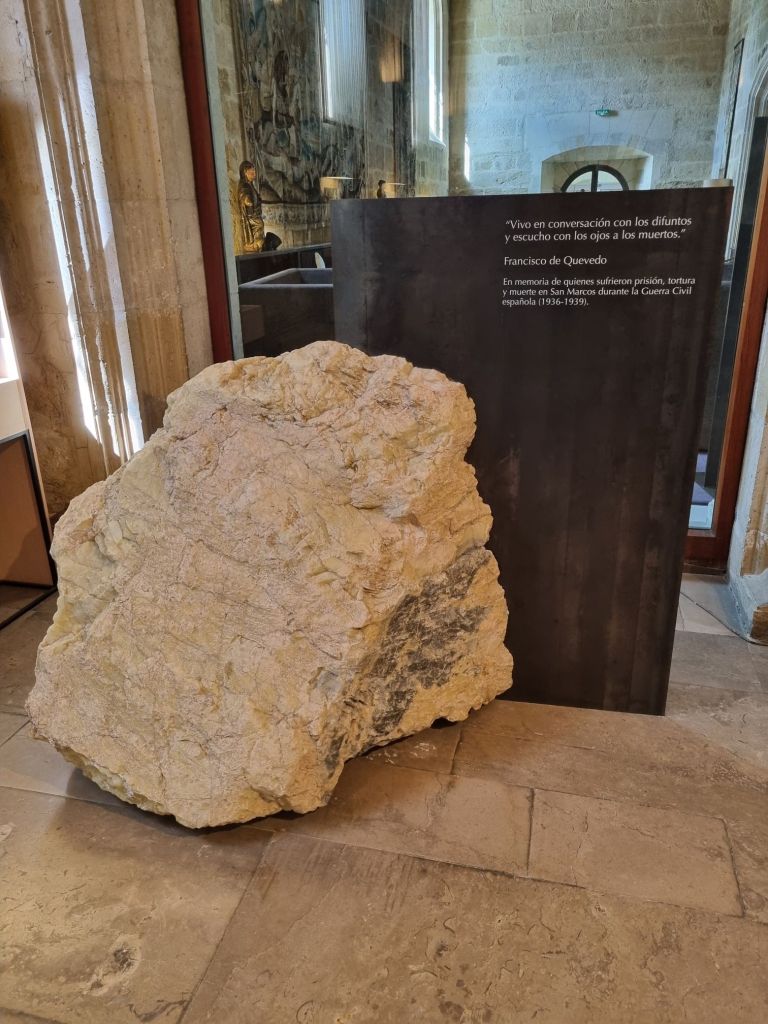
A memorial in San Marco – “Live in conversation with the deceased and listen with the eyes of the dead.”

León is a great place to walk around. The name itself comes from the Roman VII legion which had its base here.

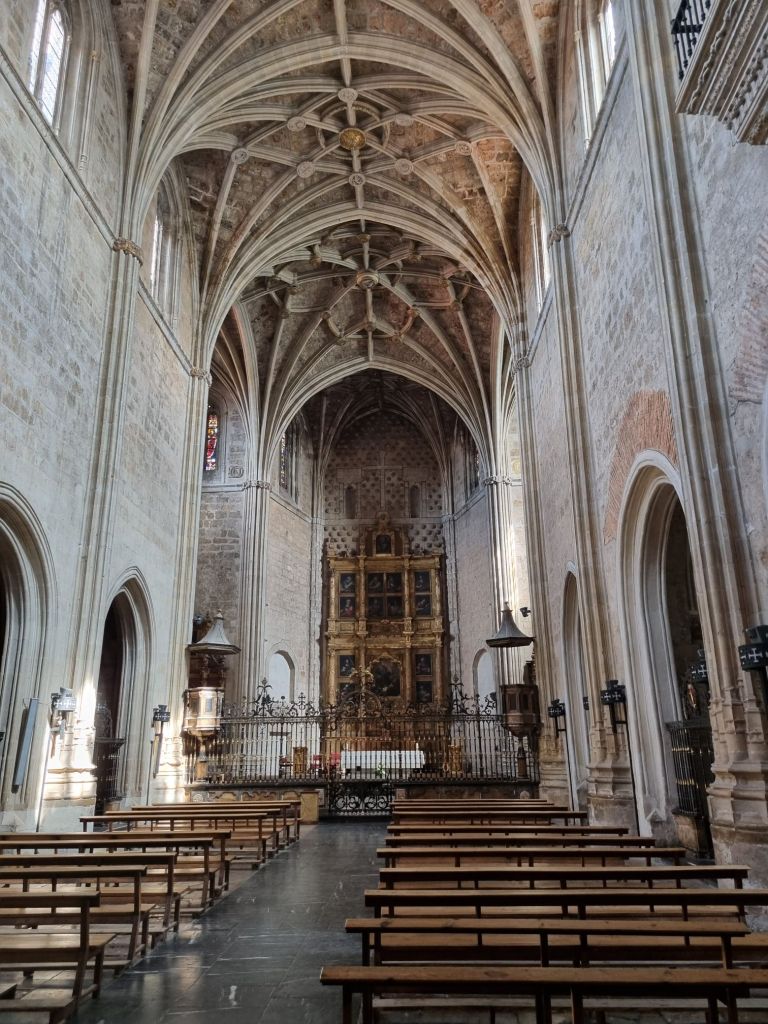
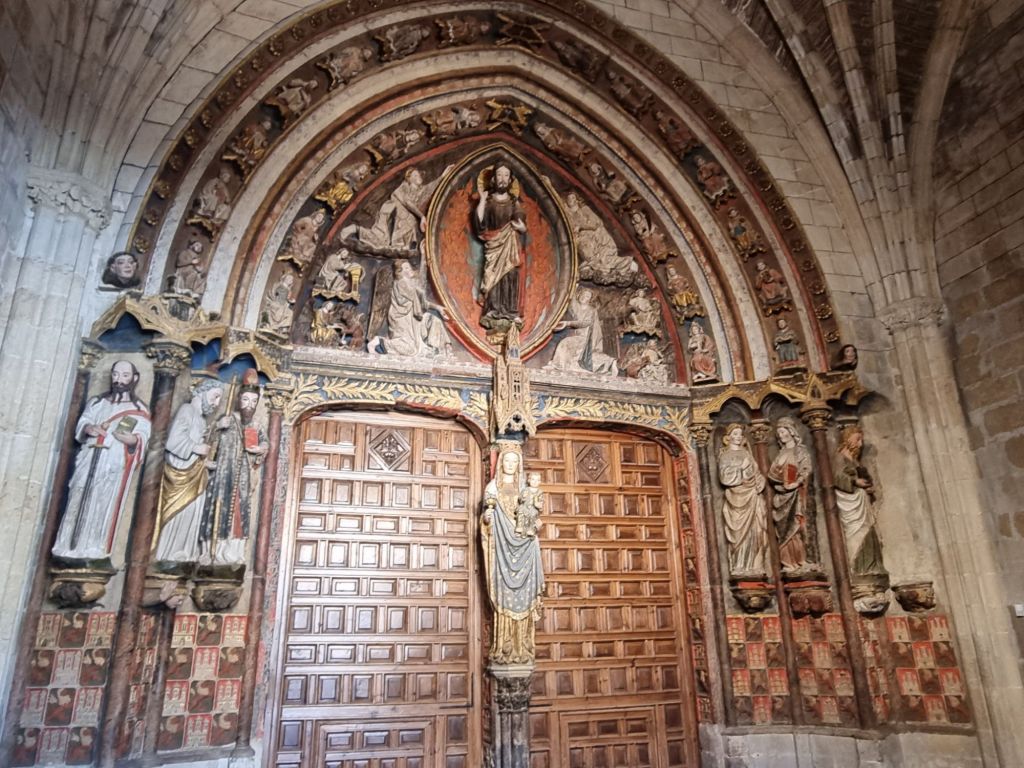
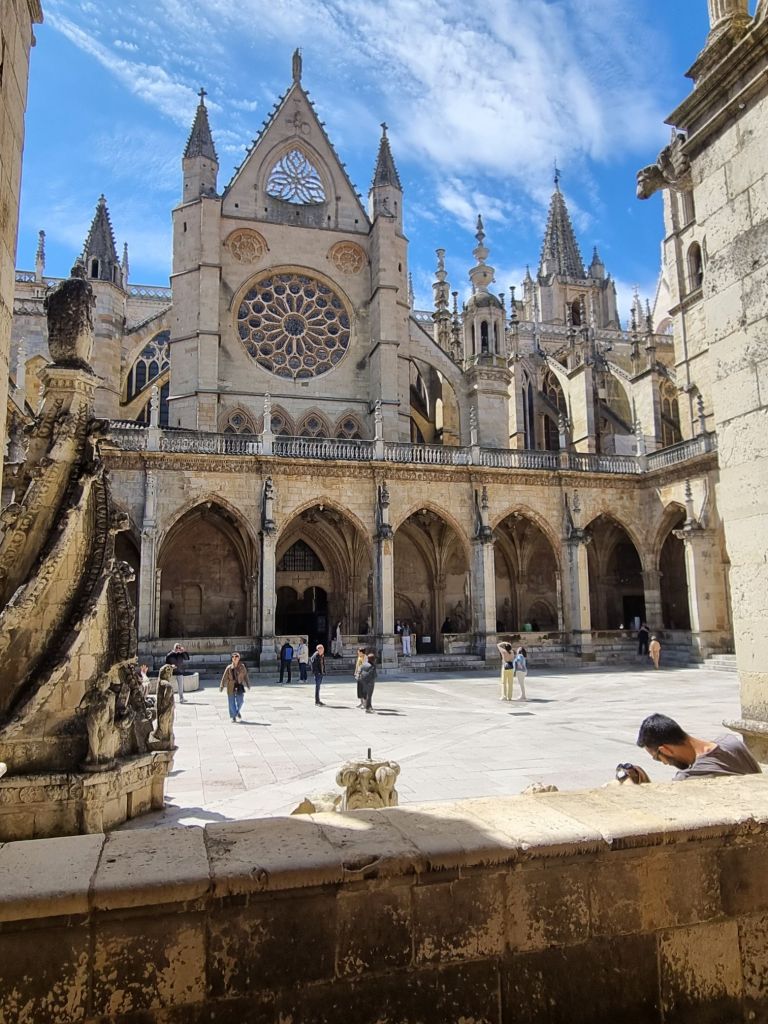
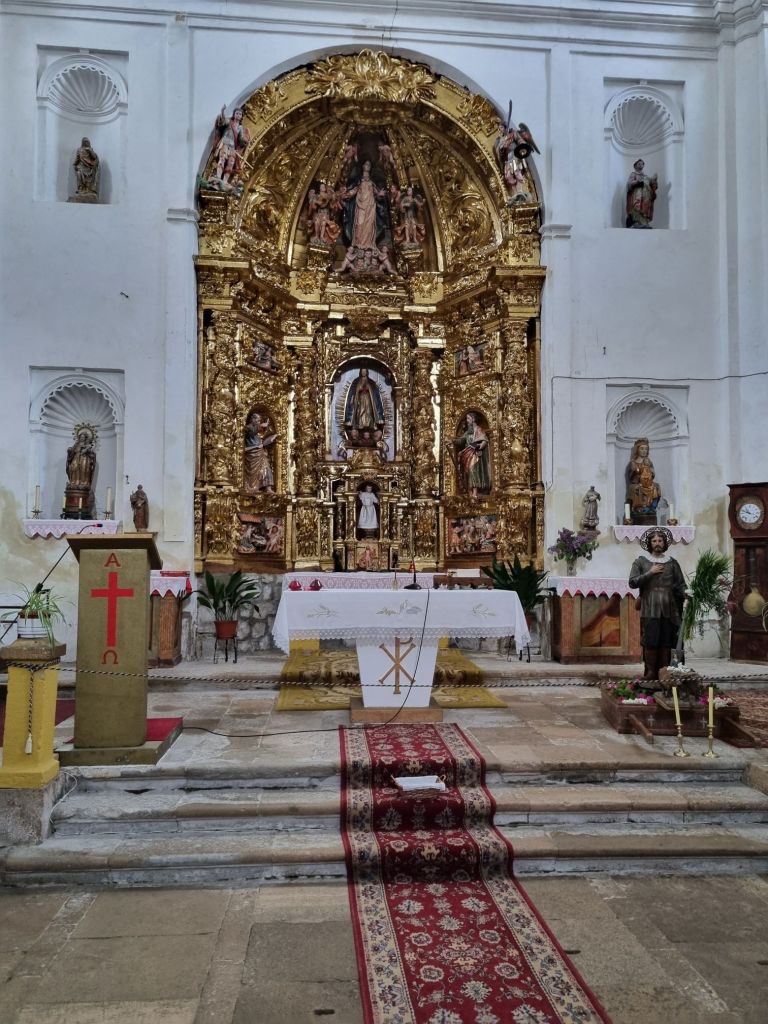
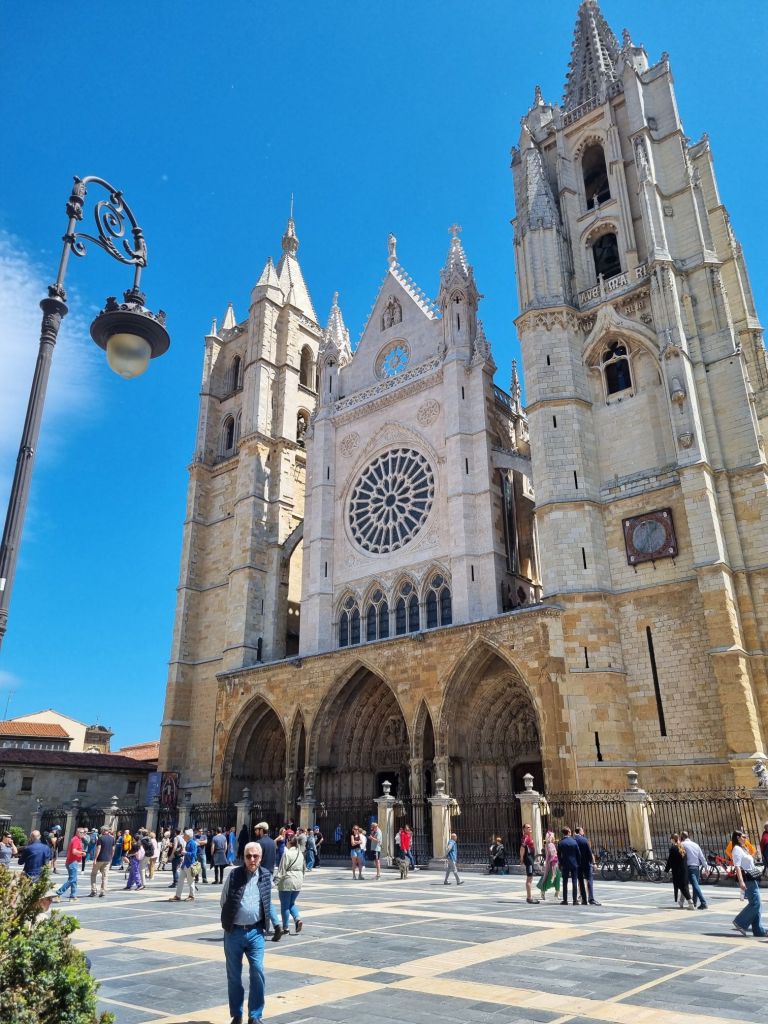
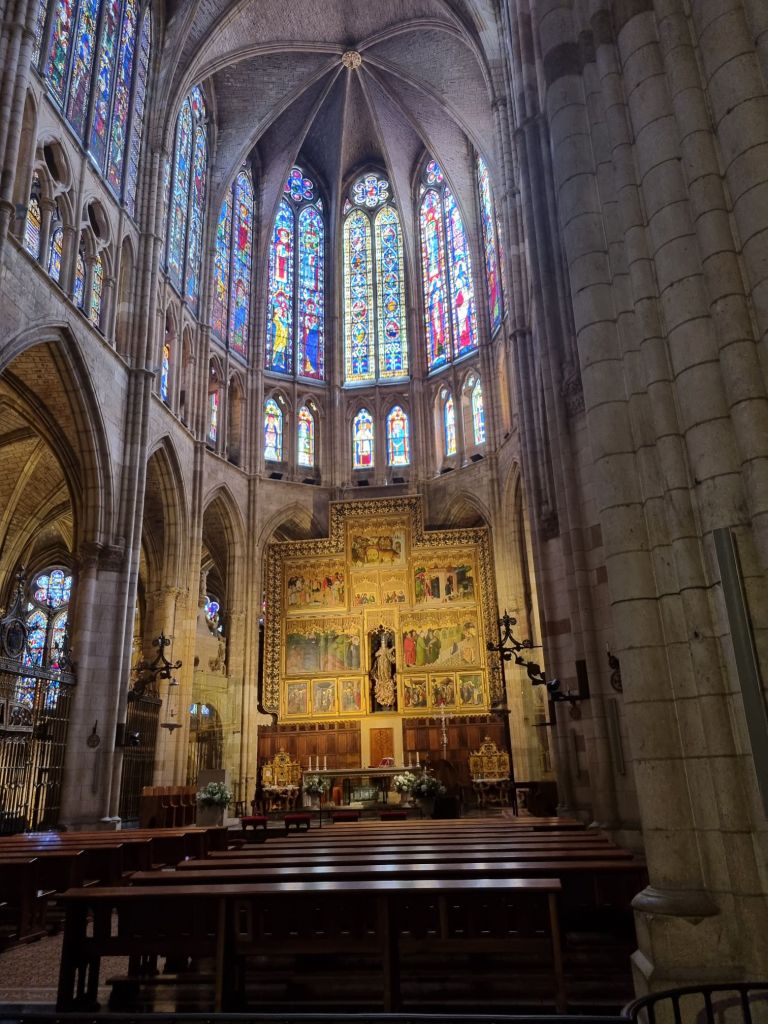
The cathedral was a grand size. Perhaps not so magnificent as Burgos but the light through the stained glass was tremendous.
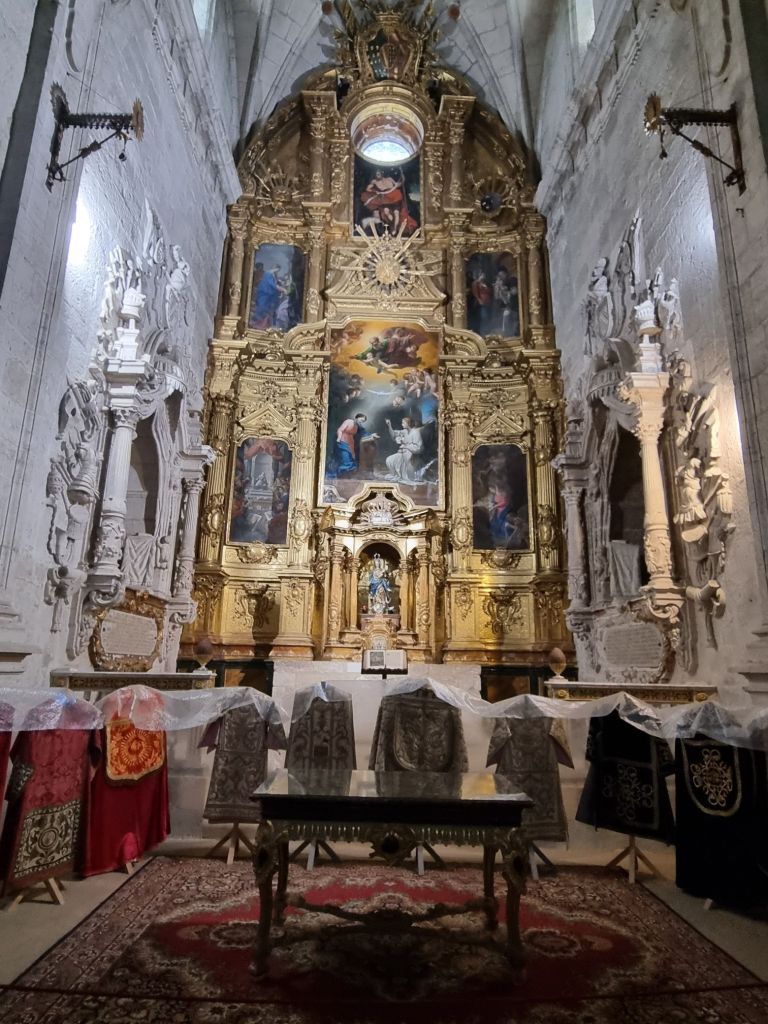
We also visited the Royal Pantheon and the building dedicated to San Isidore. Unfortunately photos weren’t allowed in this fascinating space. I particularly liked a stole and maniple made by Eleanor of Aquitaine for the marriage of her daughter Eleanor to the Spanish king Alfonso.
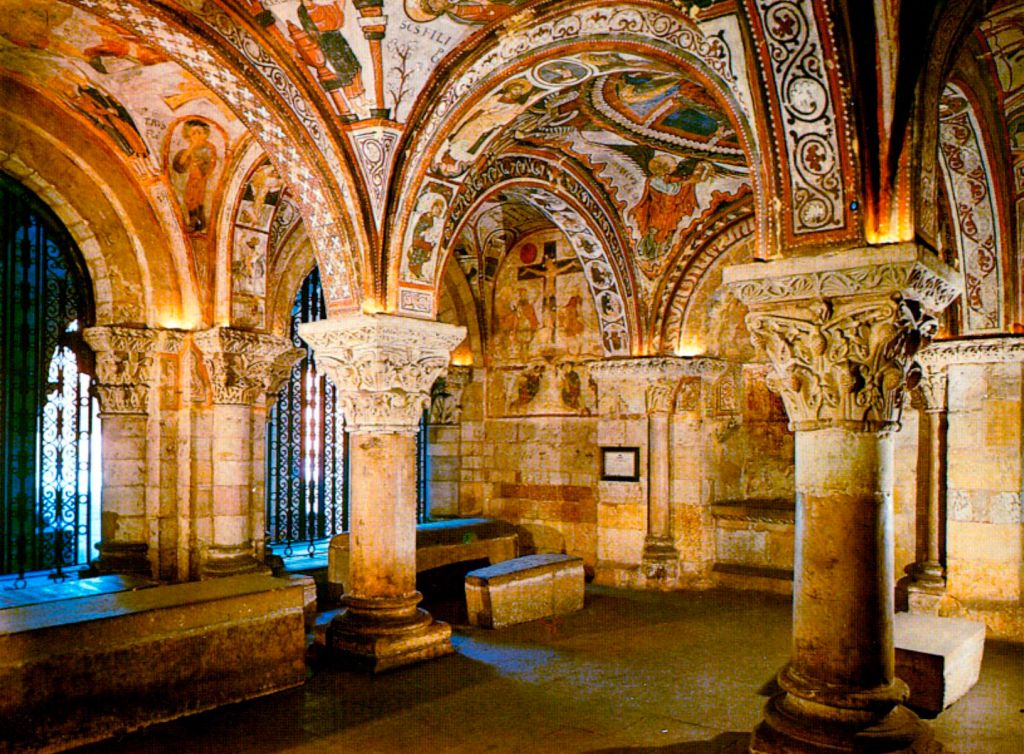
The Royal Pantheon (picture from Wikipedia)
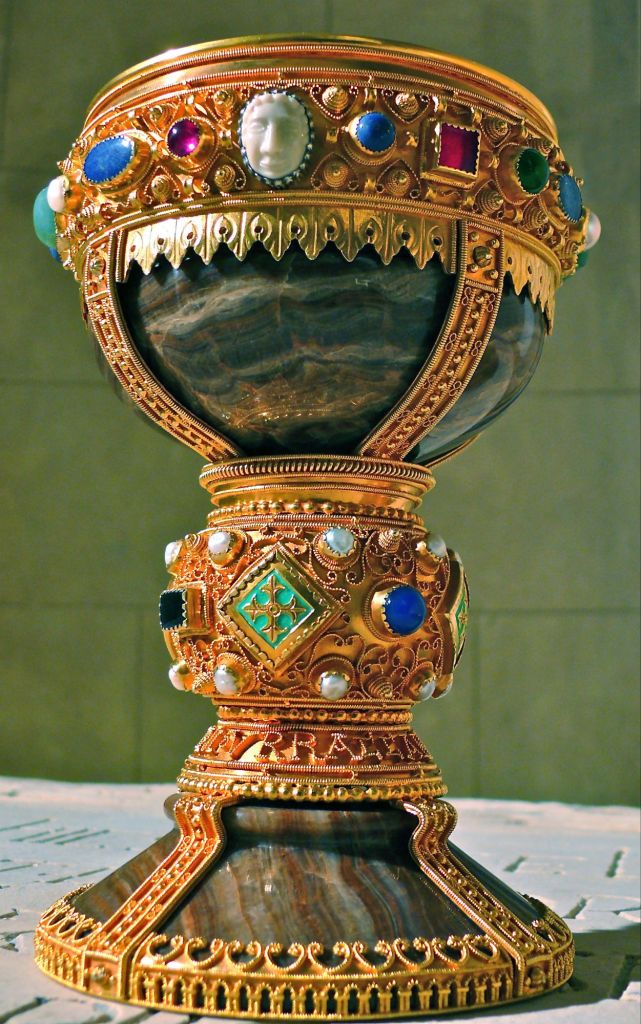
A replica of Doña Urraca’s chalice 11th century (picture from Wikipedia)

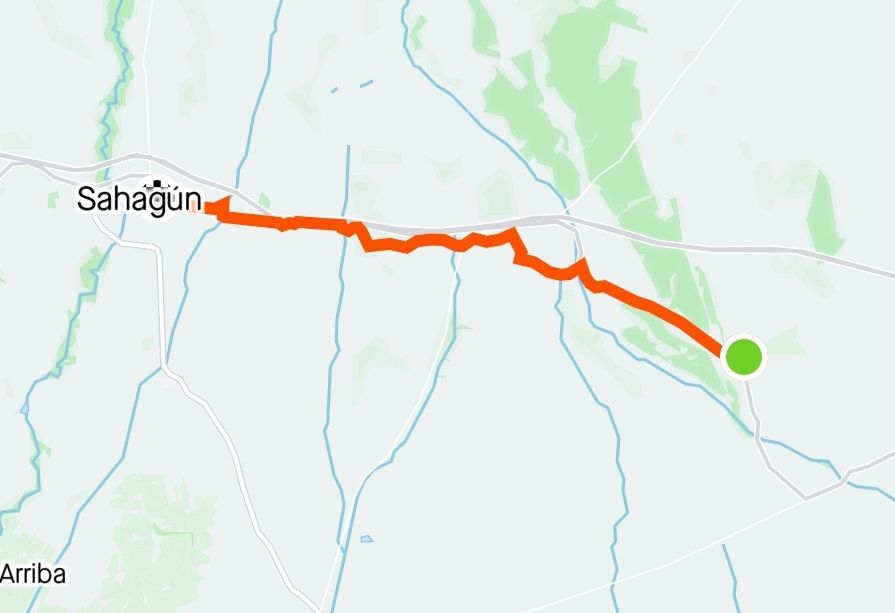
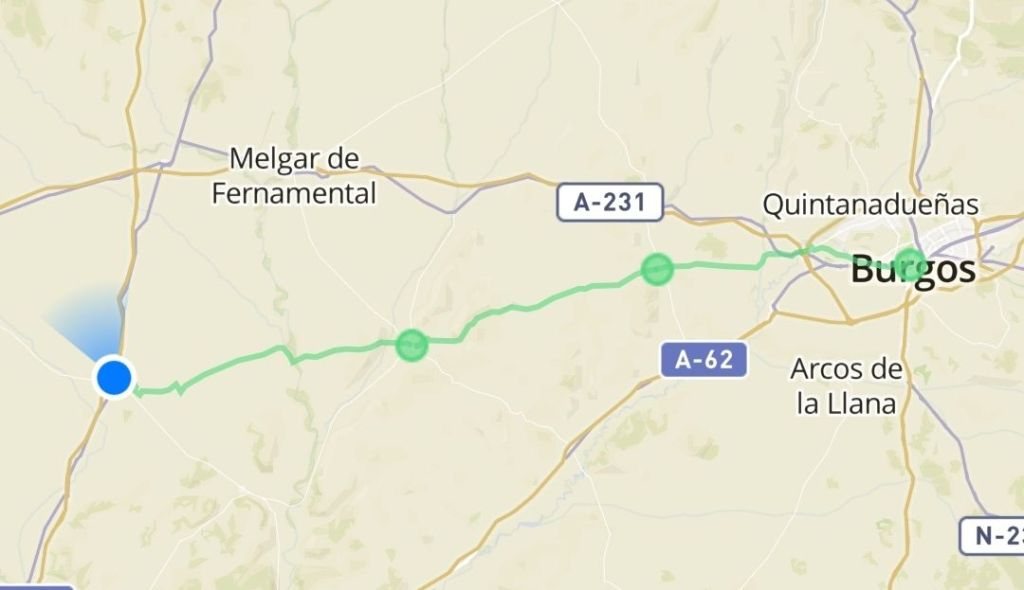
Day 10 walk

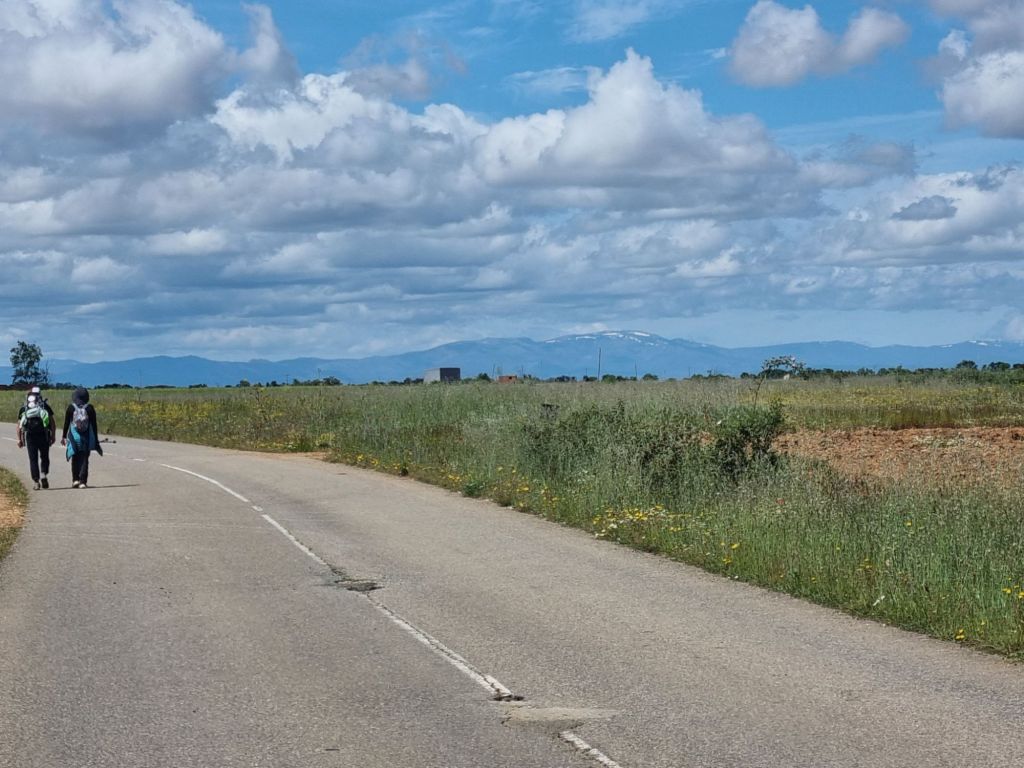
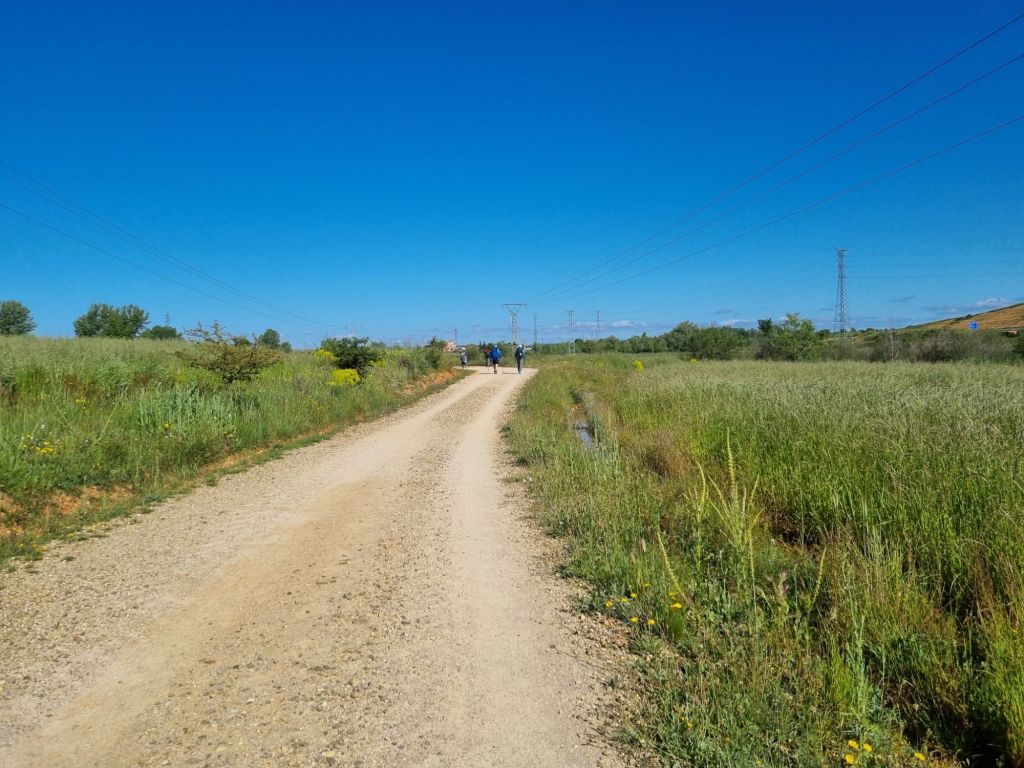
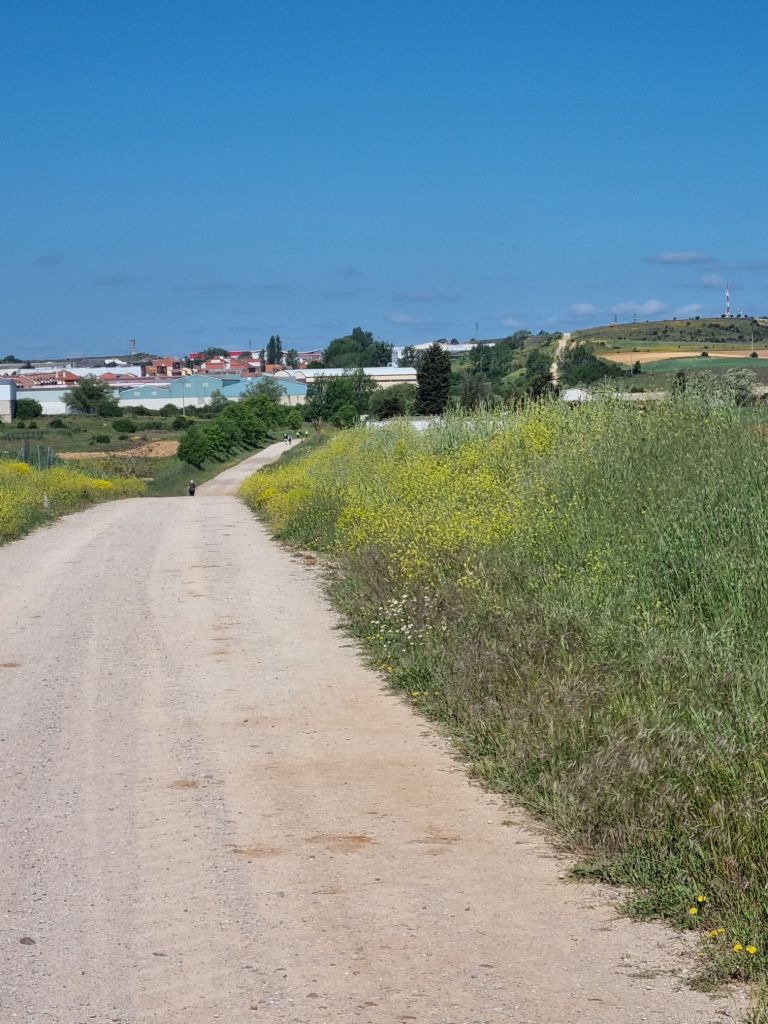
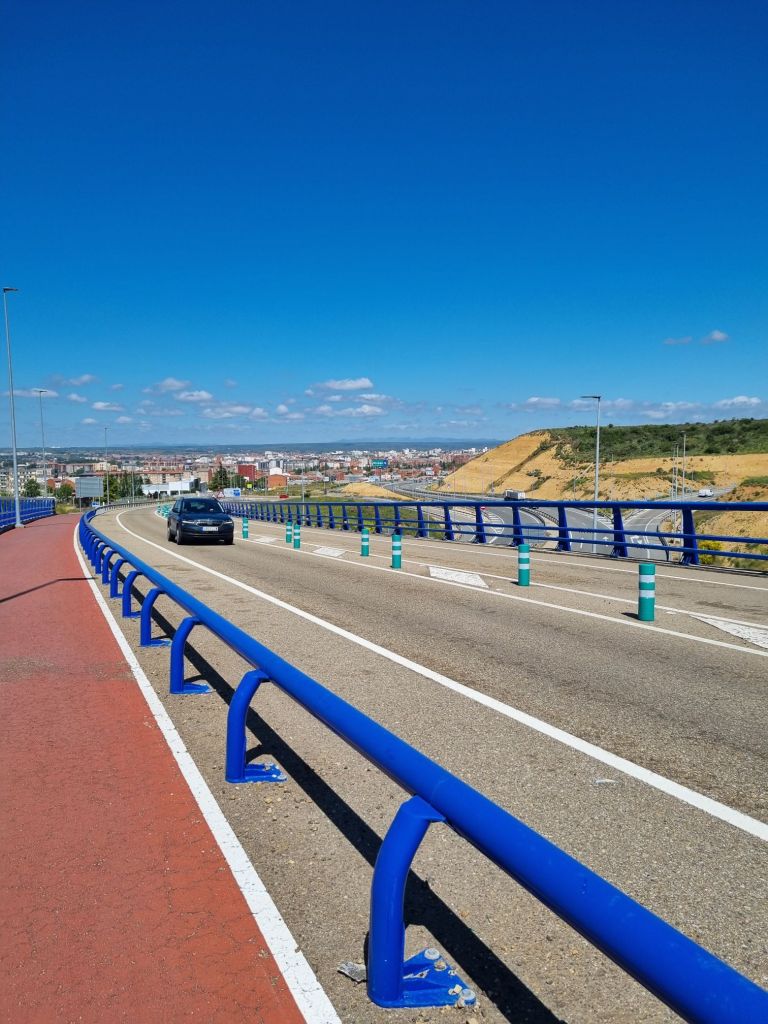
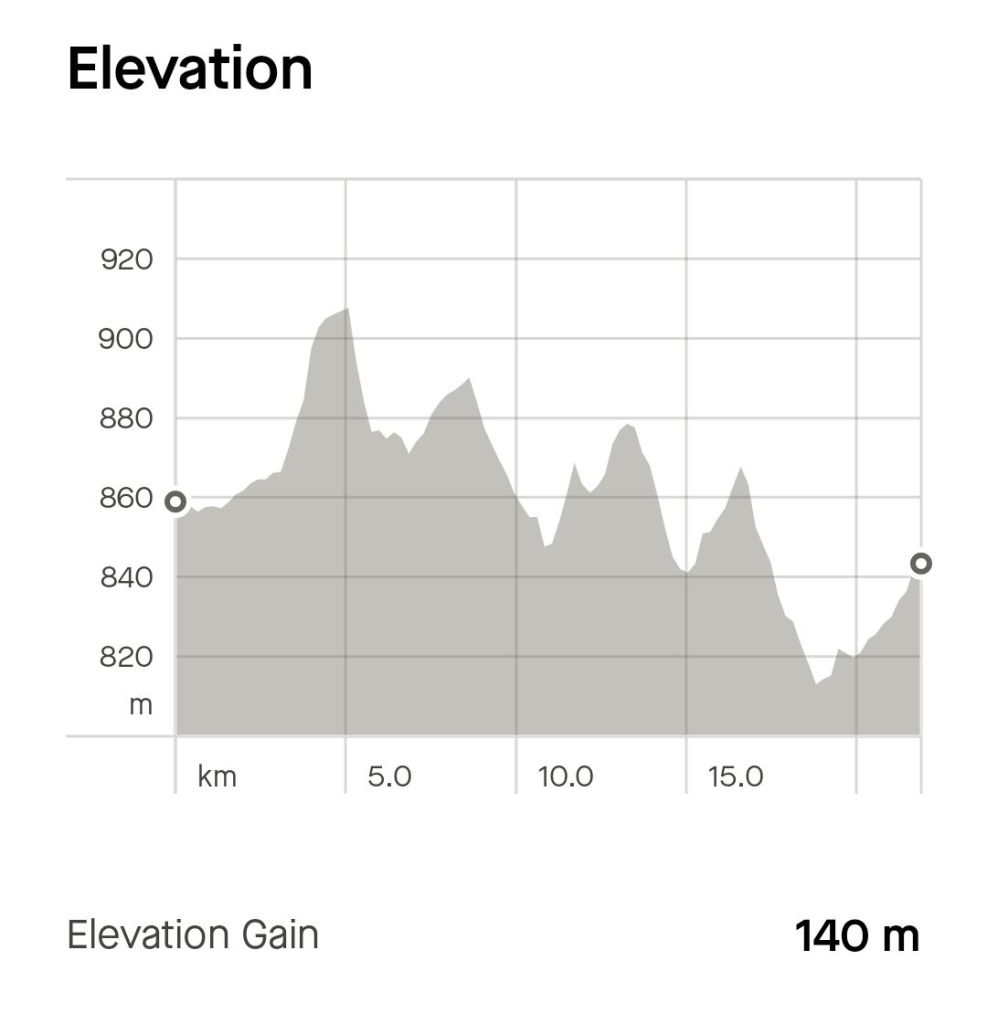
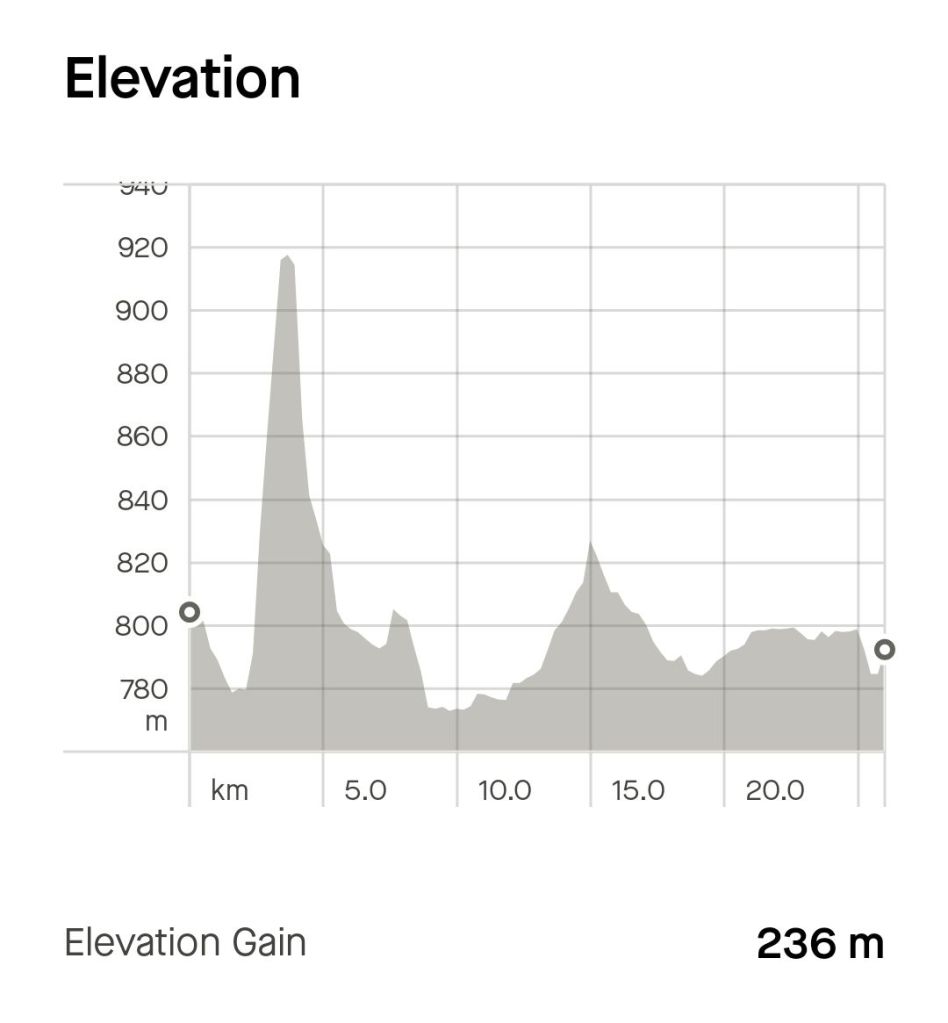
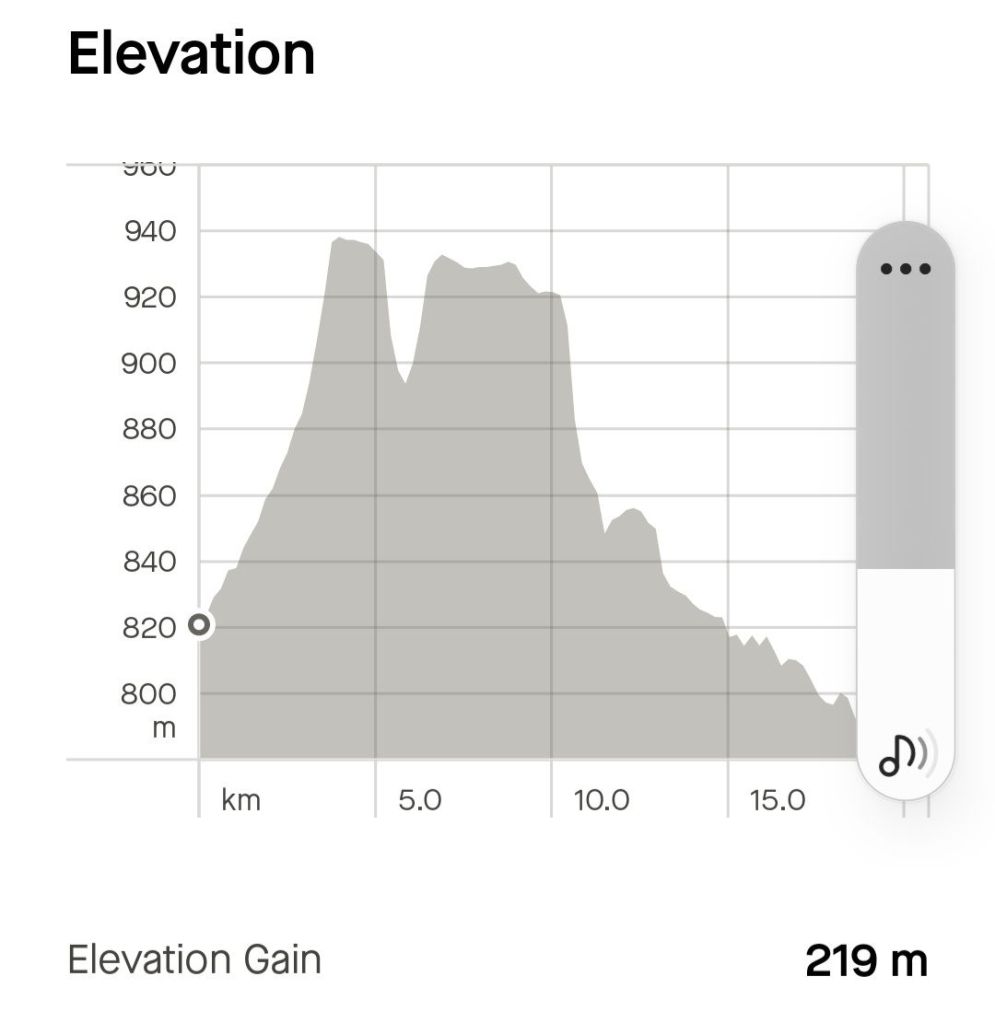
Our walk started with about 6 km through the outskirts of León. It was not very exciting but as it was Sunday morning the roads were quiet. Eventually we were able to get off the road and walk along rural tracks and roads.
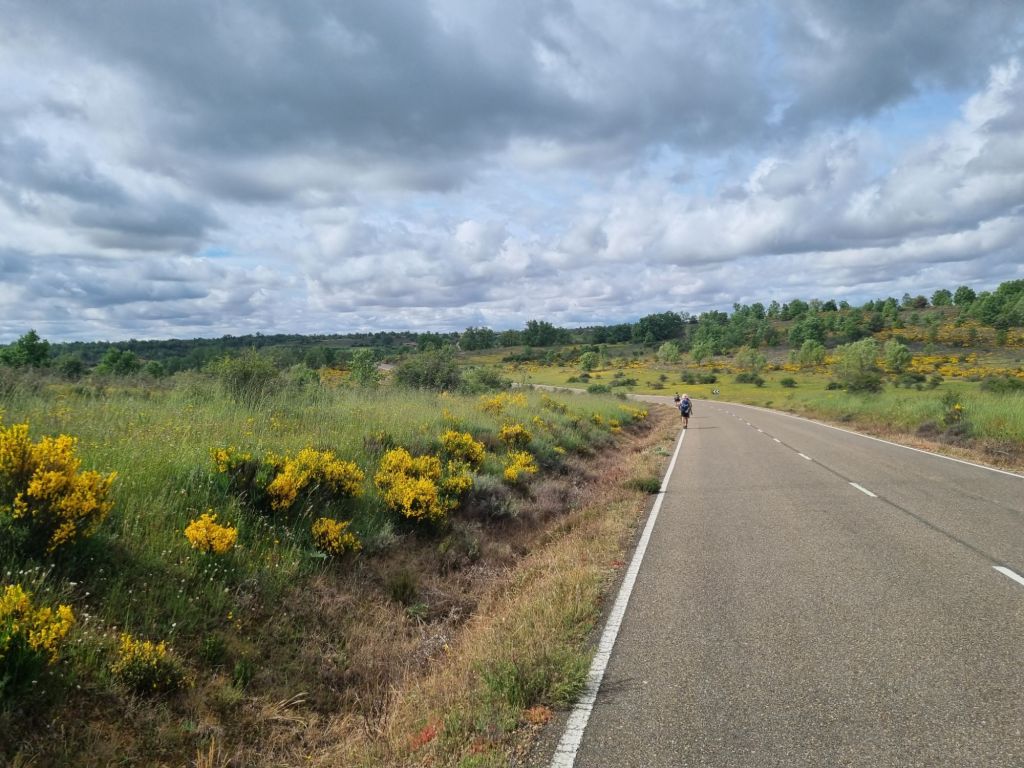
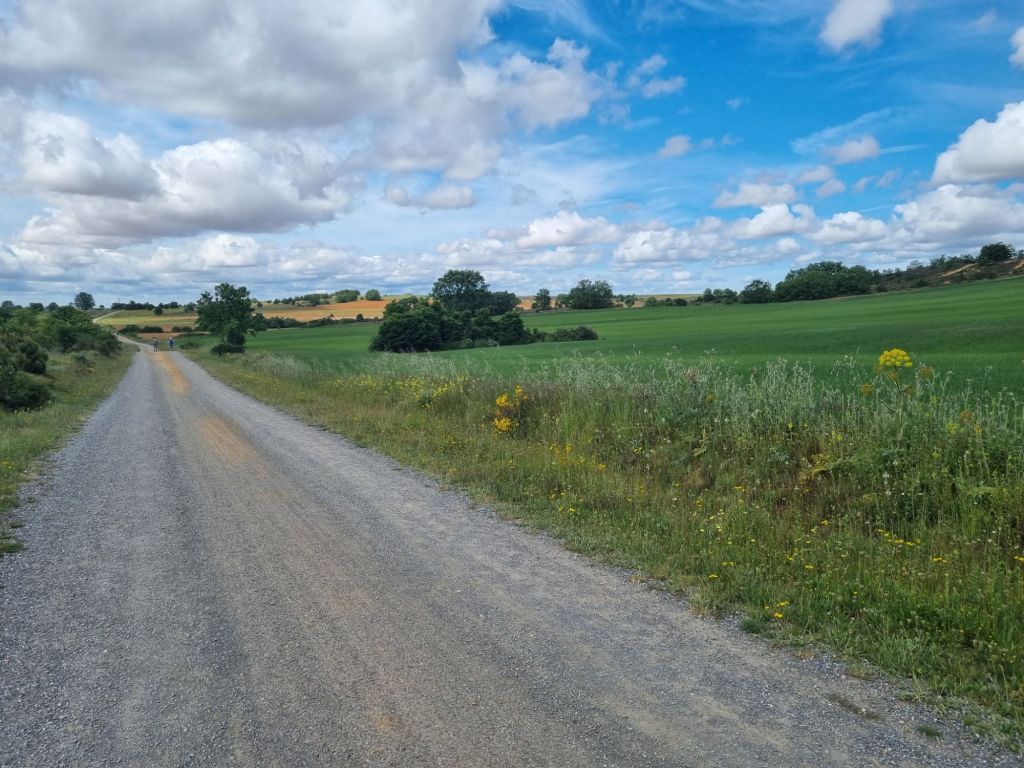
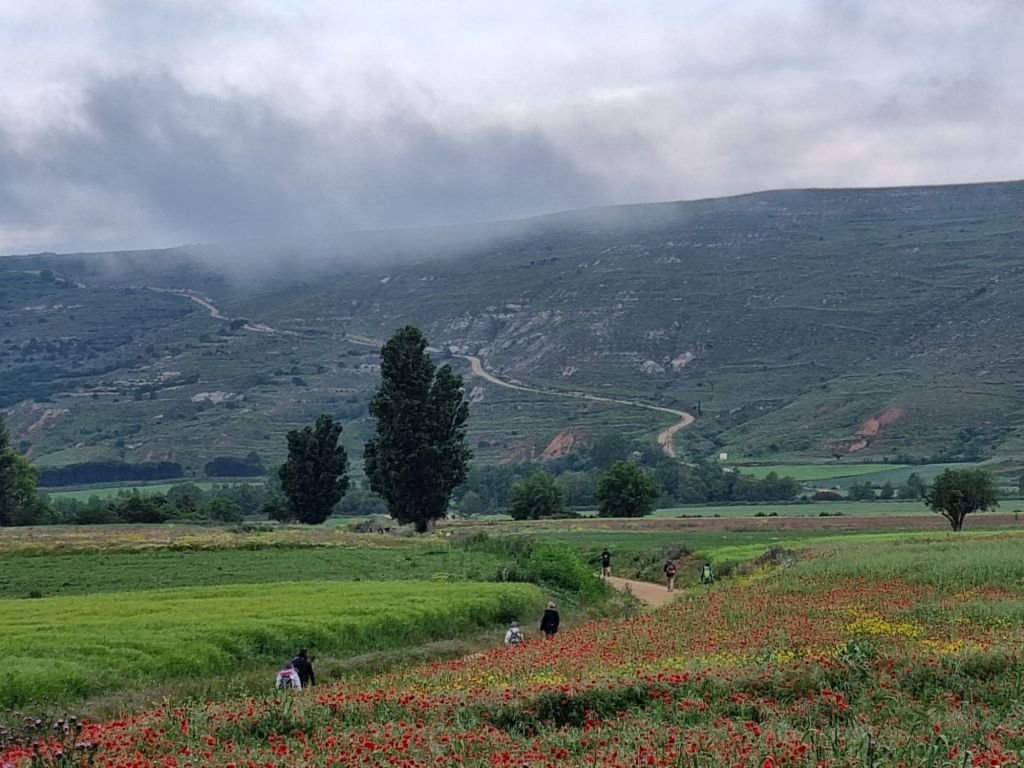
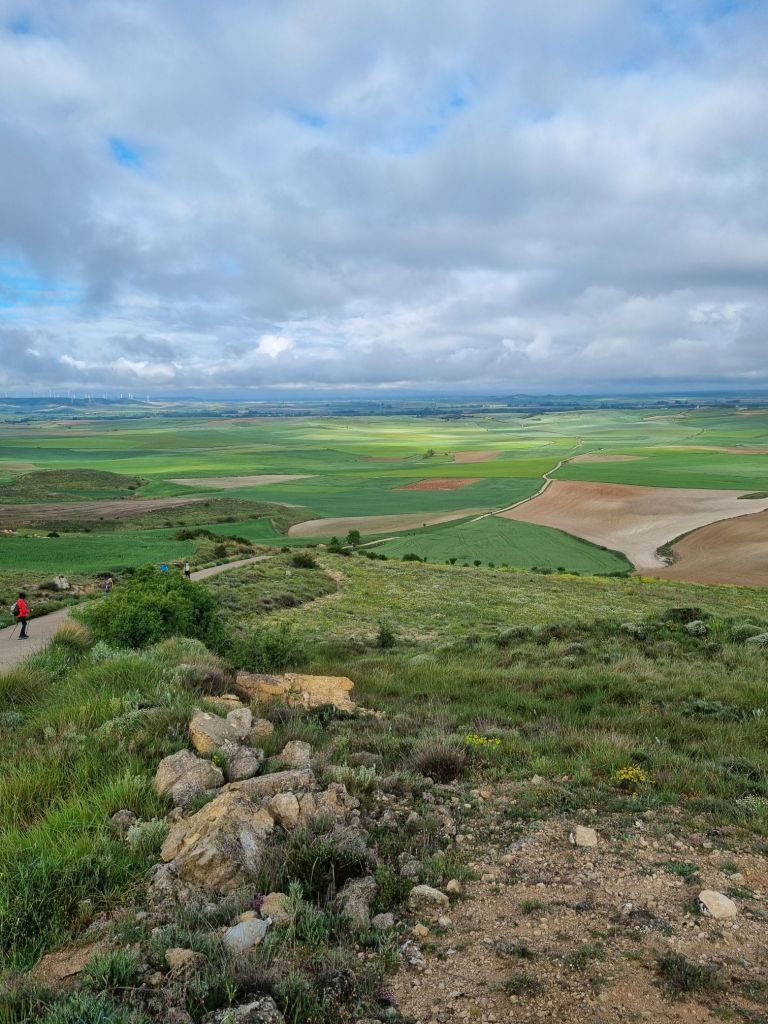
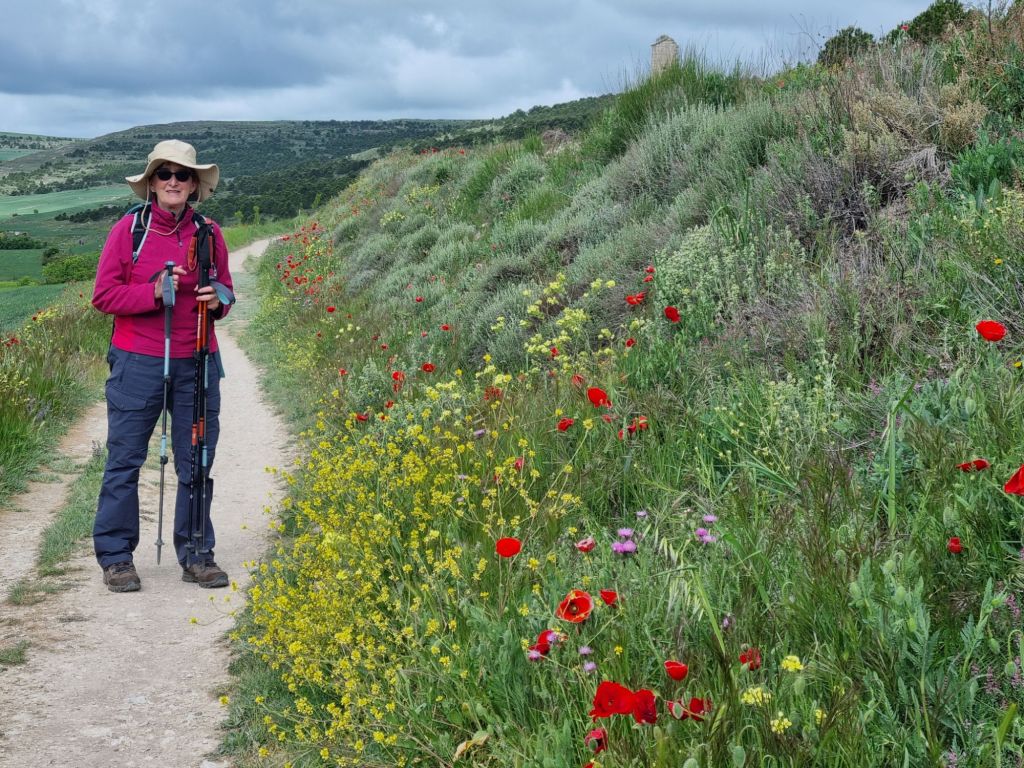
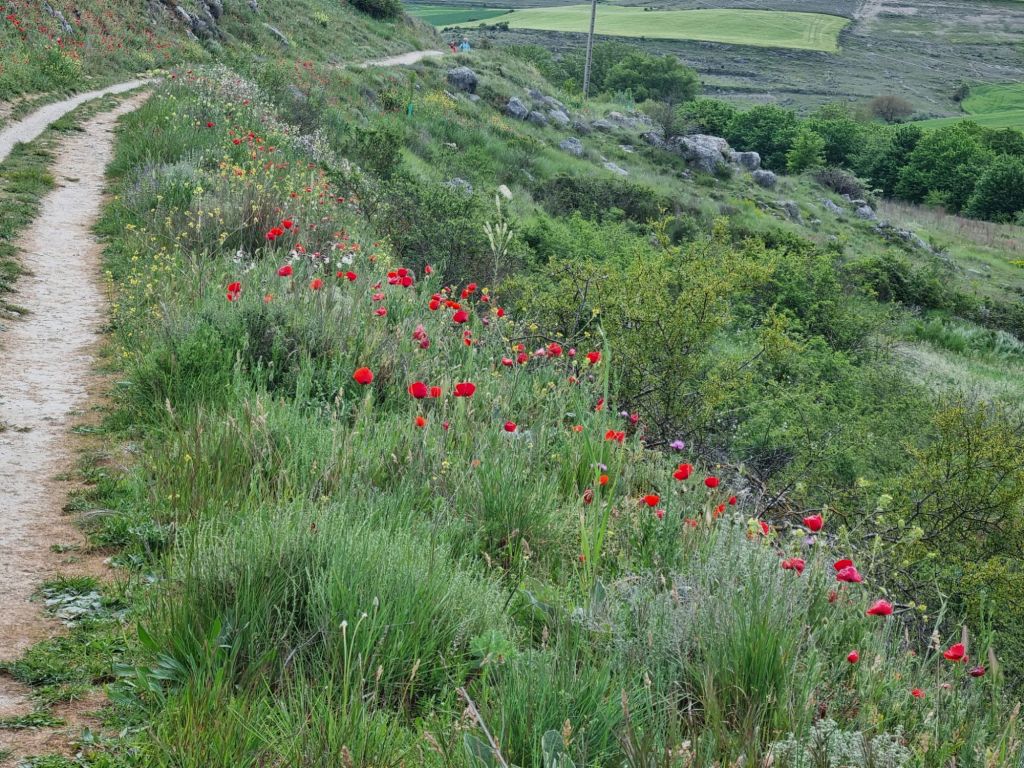
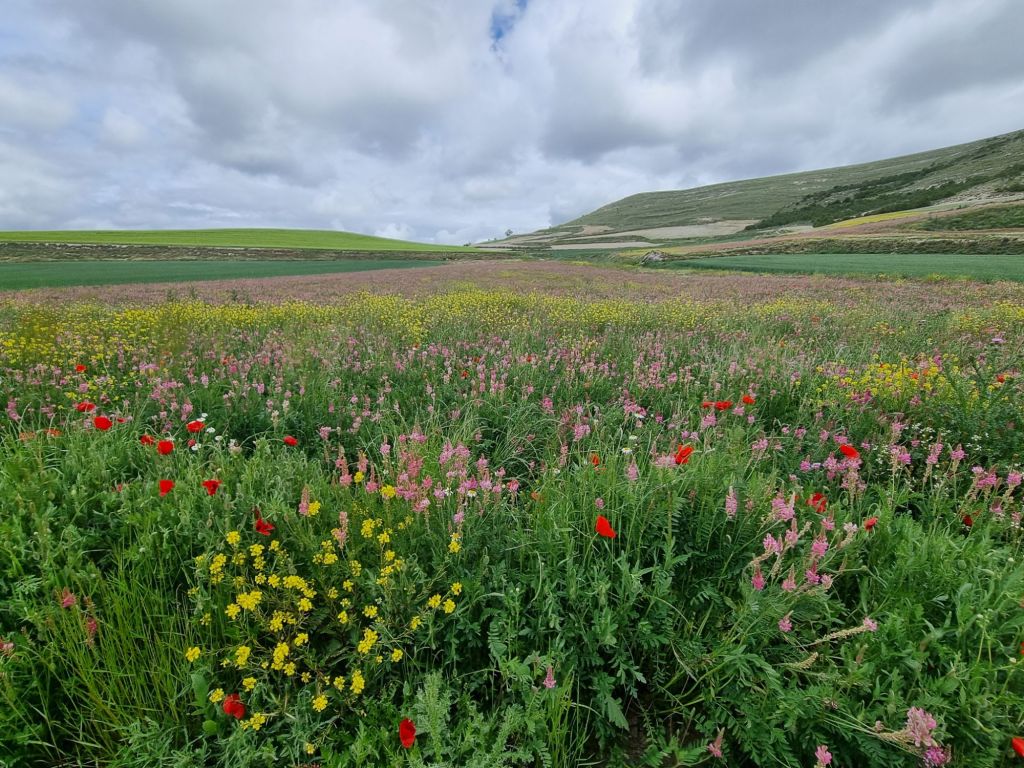
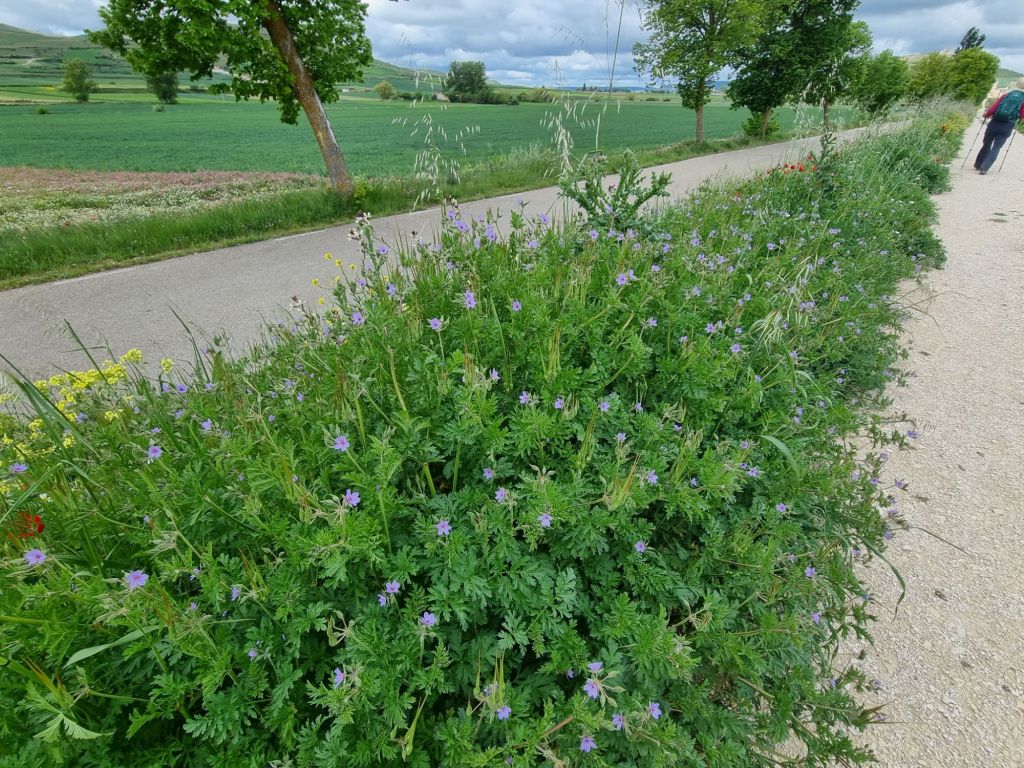
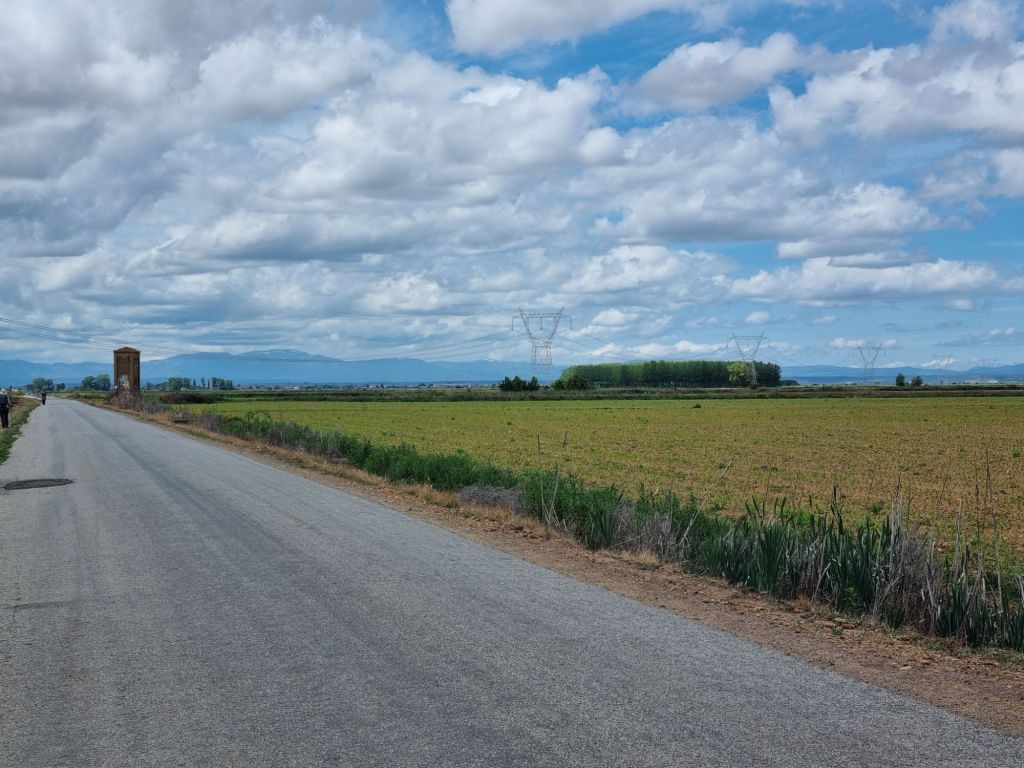
The mountains to the west which we had glimpsed several days ago as a bump on the far horizon are gradually getting larger. The landscape along this section was attractive with many wild flowers, particularly orchids.
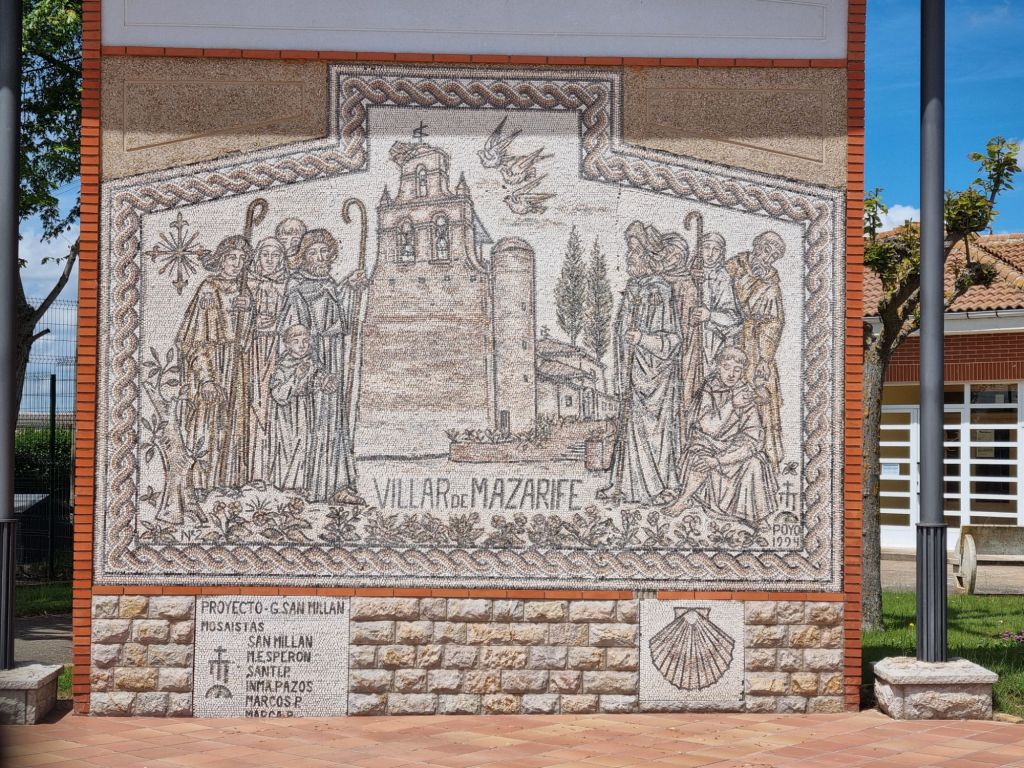
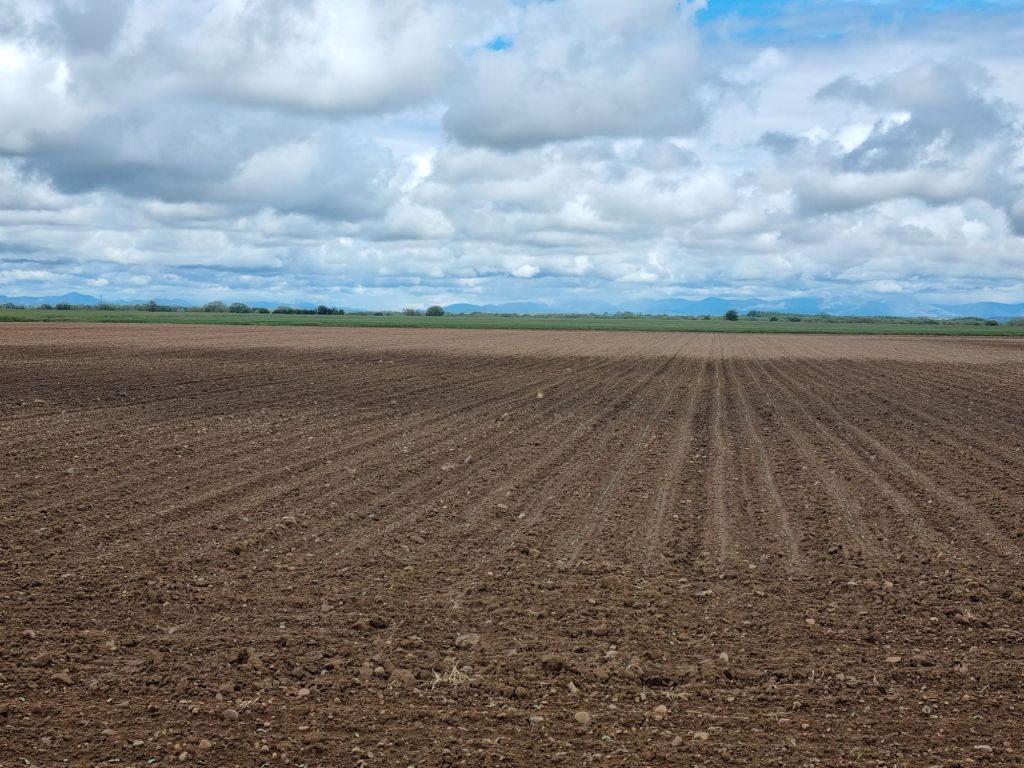
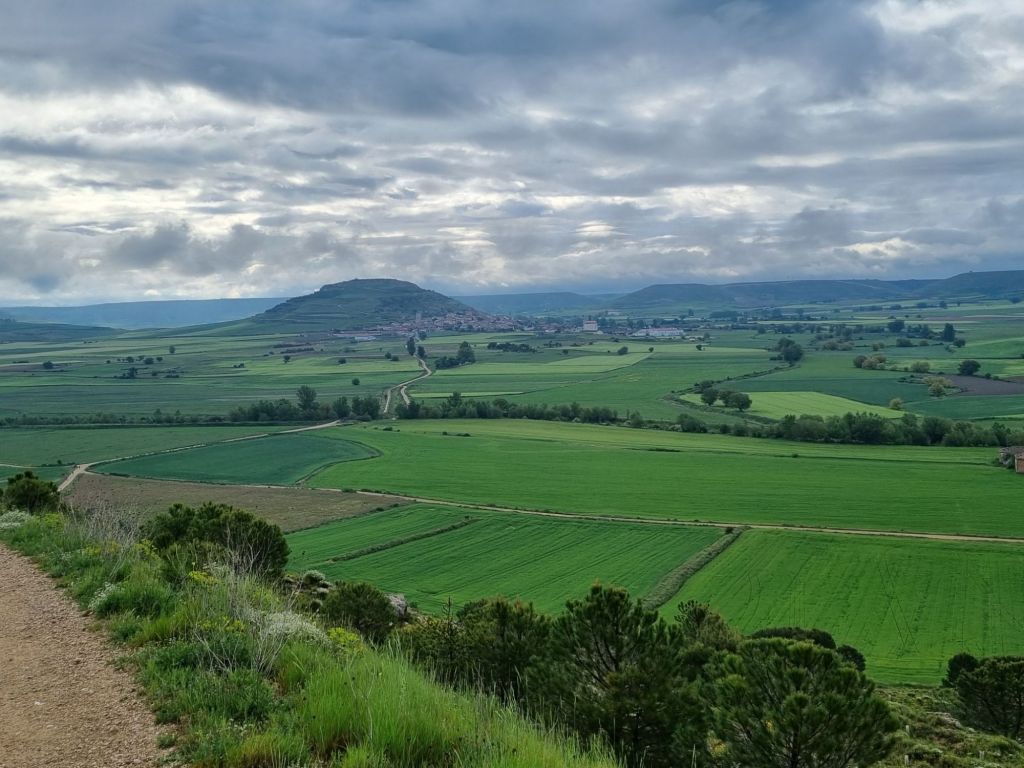
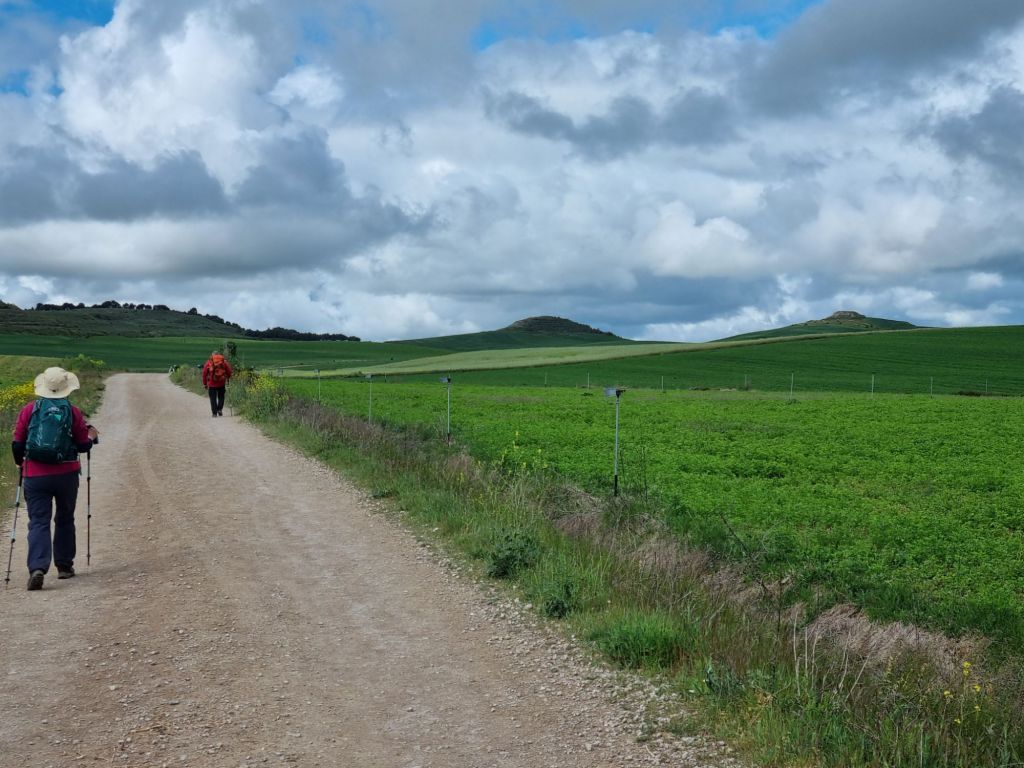
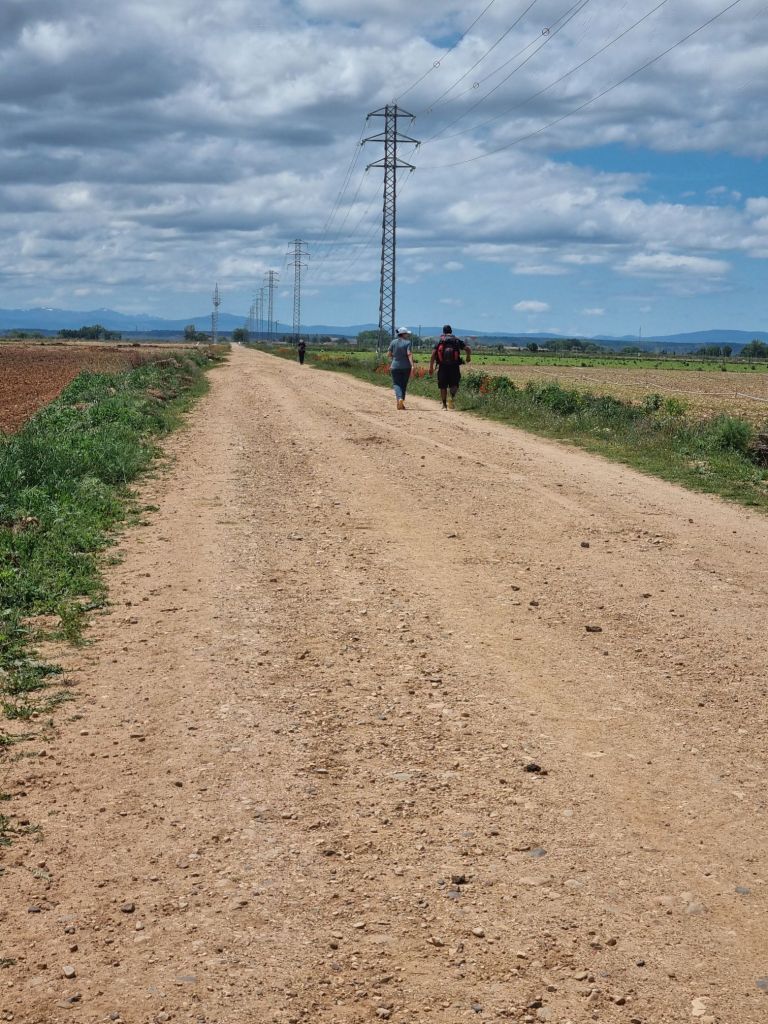
After Villar de Mazarife the roads and tracks became straight for long distances through freshly tilled flat fields with maize seedlings showing in some. It was all rather dreary but with heads down we pushed on.
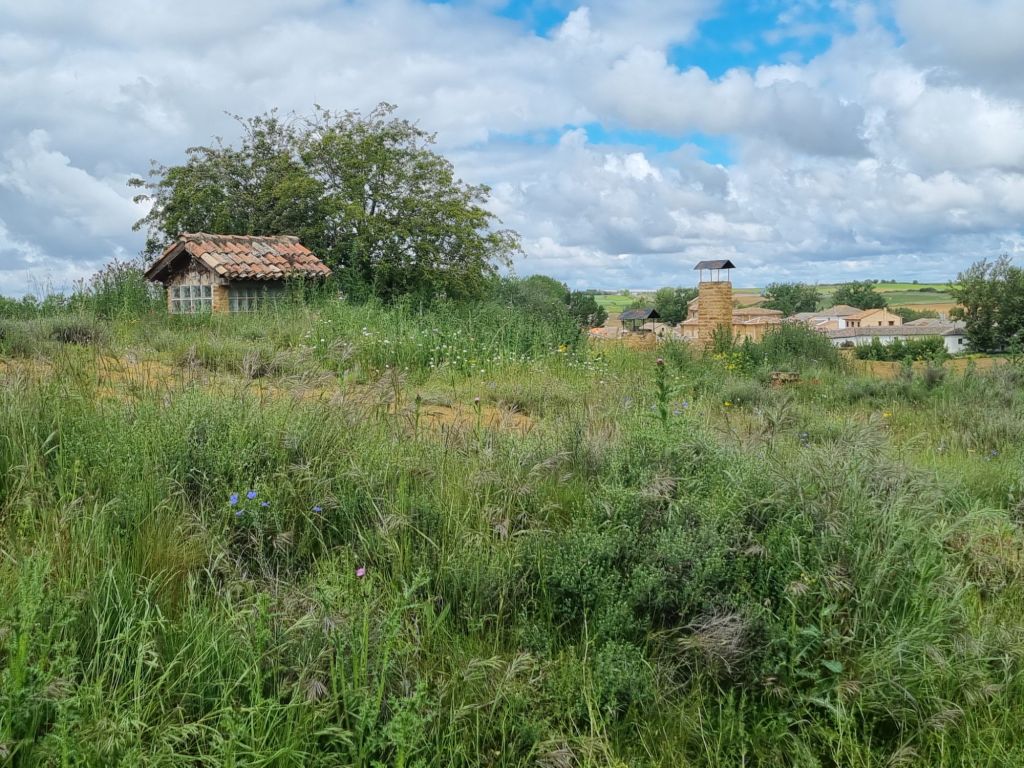
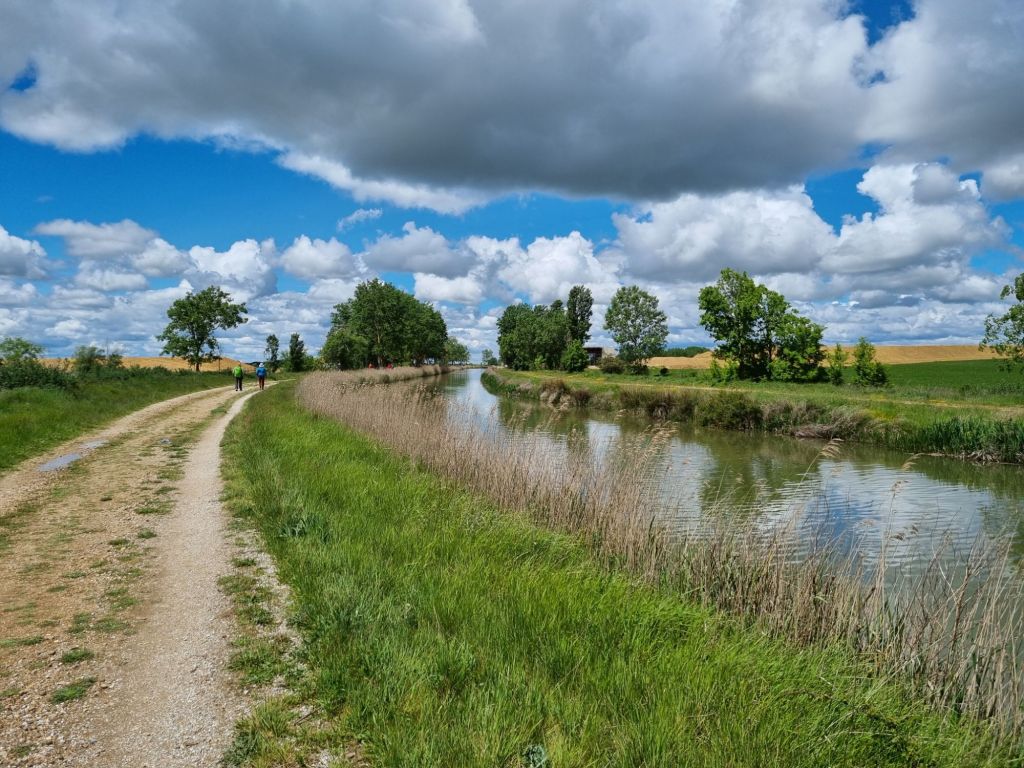
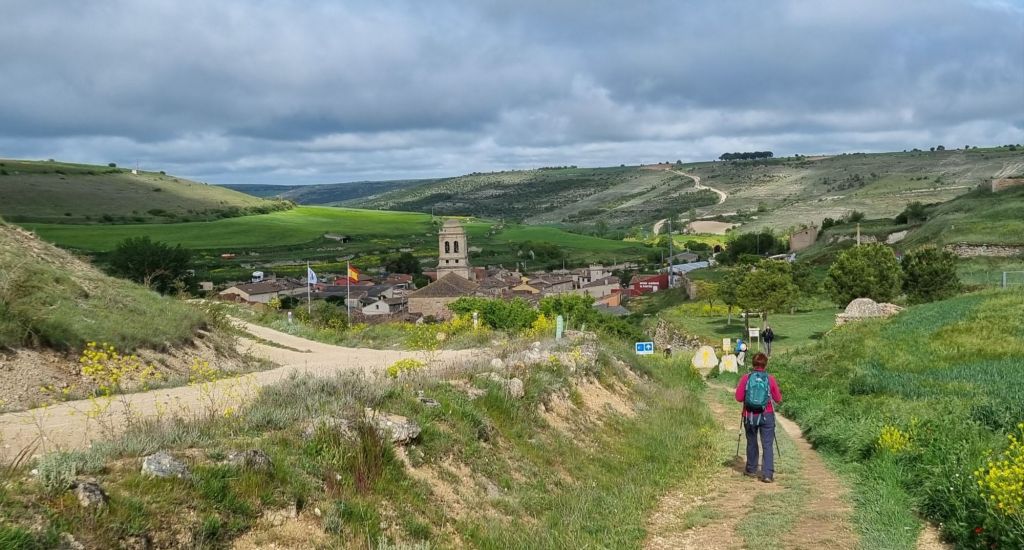
We’re staying this evening in a private dwelling which runs a rural hostal. It is a converted watermill. We relished fresh strawberries and ice cream with the owner. It was a delight to share pictures of grandchildren with each other.

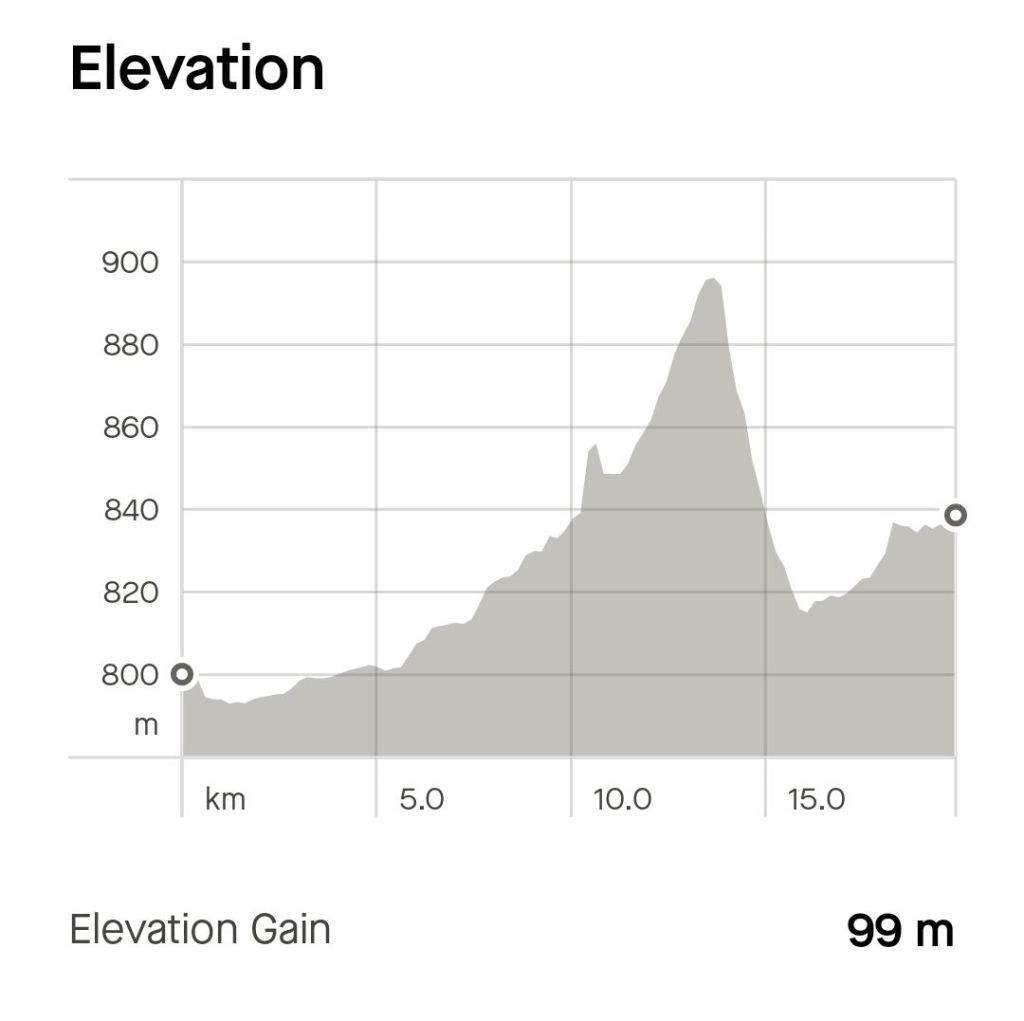
Today was our longest walk of this year’s stage at 31 km. We arrived in good form but starting to tire by the end of the day.
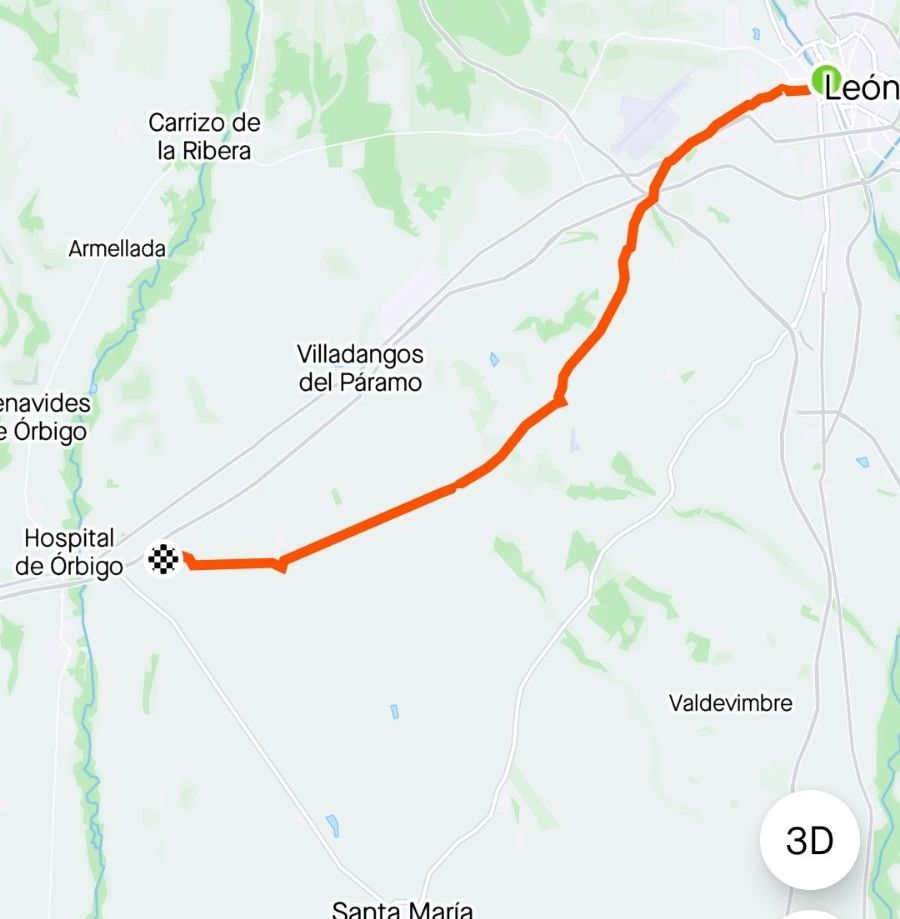
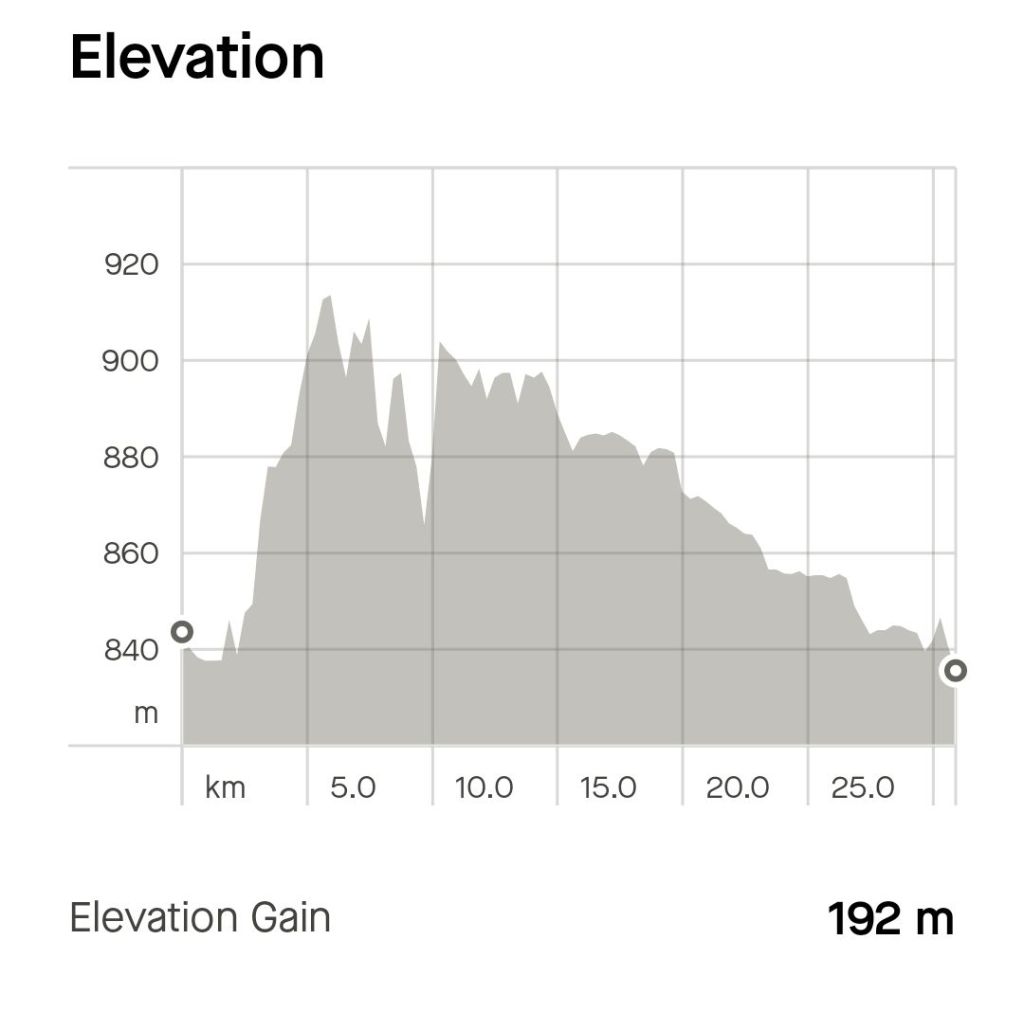
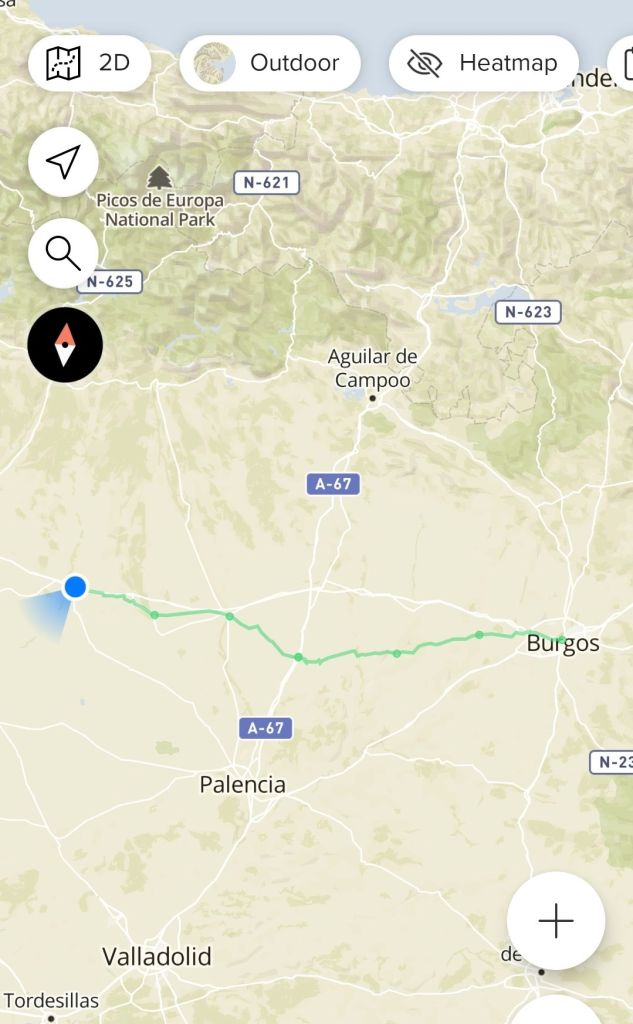
We’ve made good progress across Castilla y León.
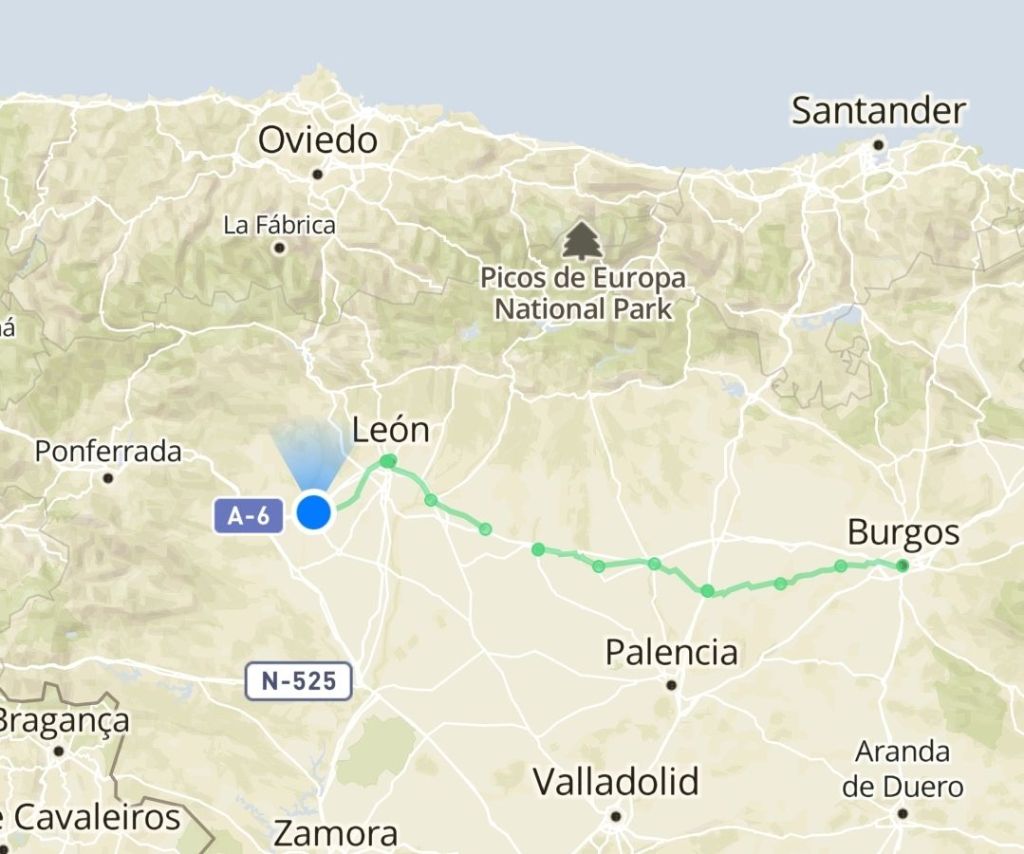
We have four more days to get to Ponferrada which includes getting to highest point on the whole Camino. It will be good to leave behind these relatively flat lands of the Meseta and get into the hills.
Day 9 – Mansilla de las Mulas to León

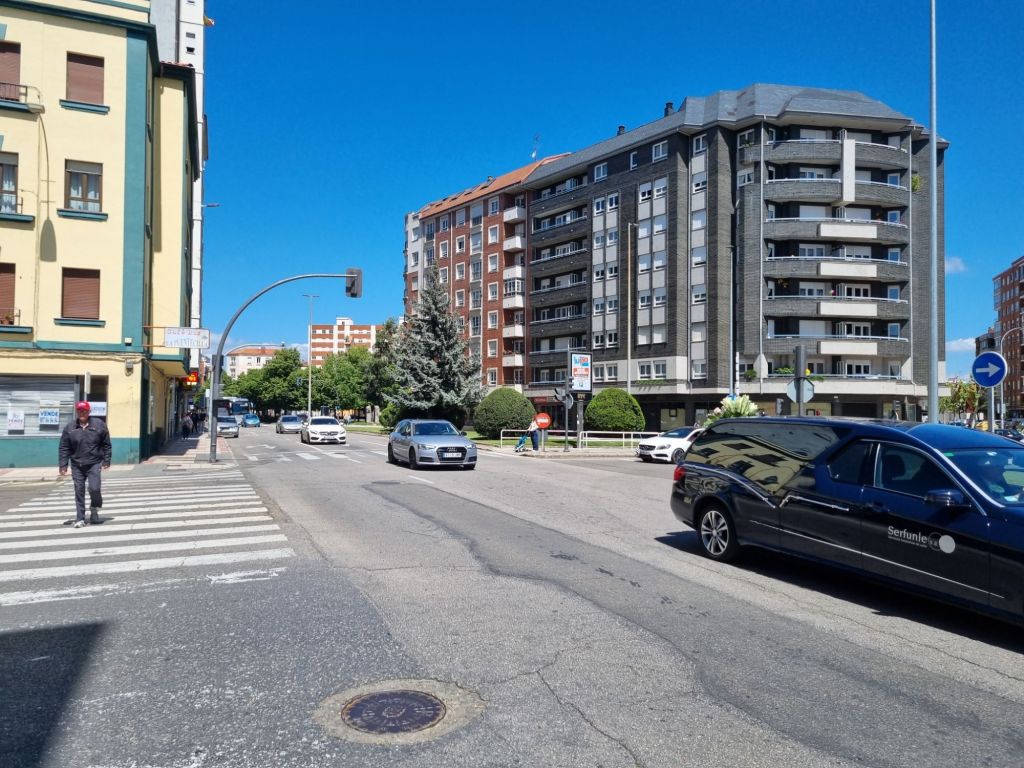
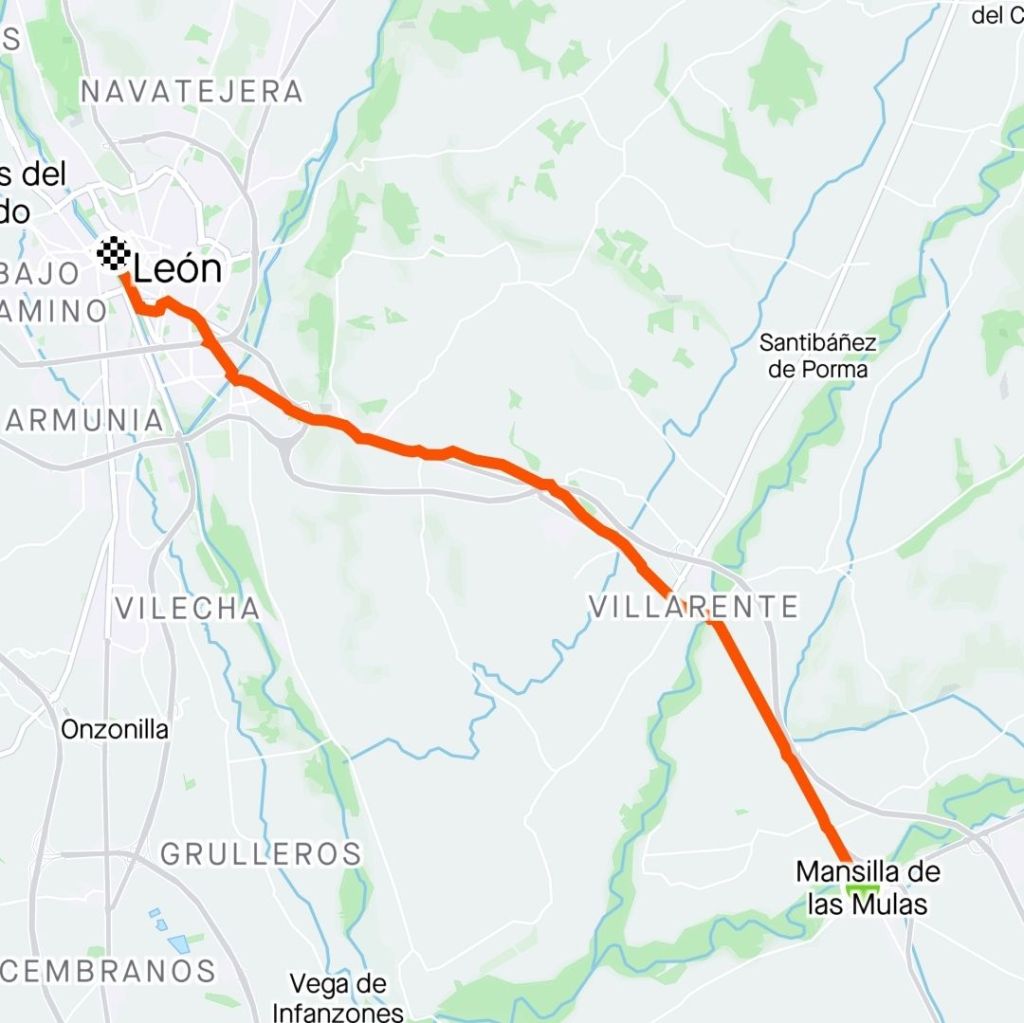
Today we walked 20 km into the centre of León, a large city of 125,000 inhabitants. Walking into a city can be somewhat dreary as one trundles through non-descript suburbs but today was fine.

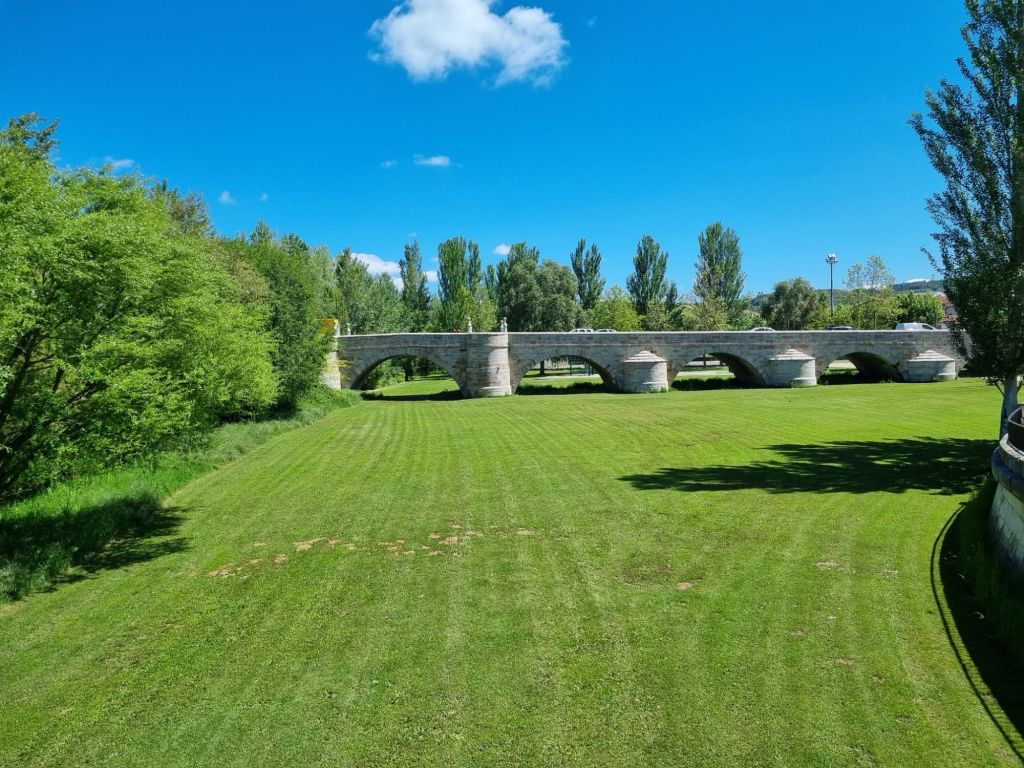
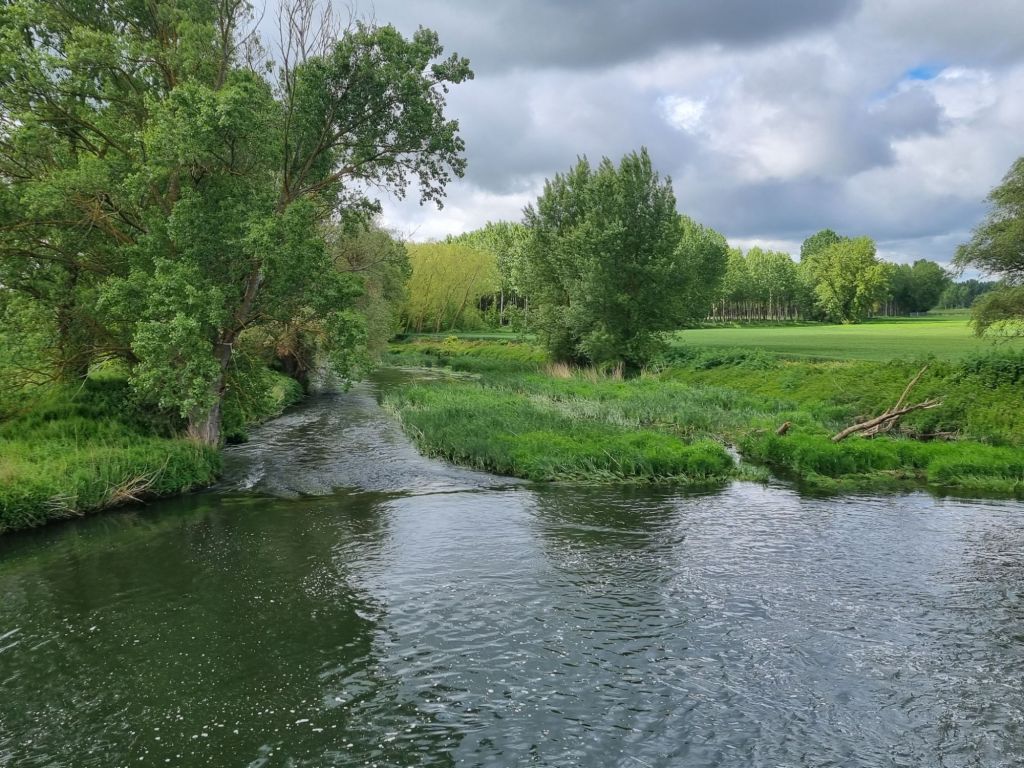
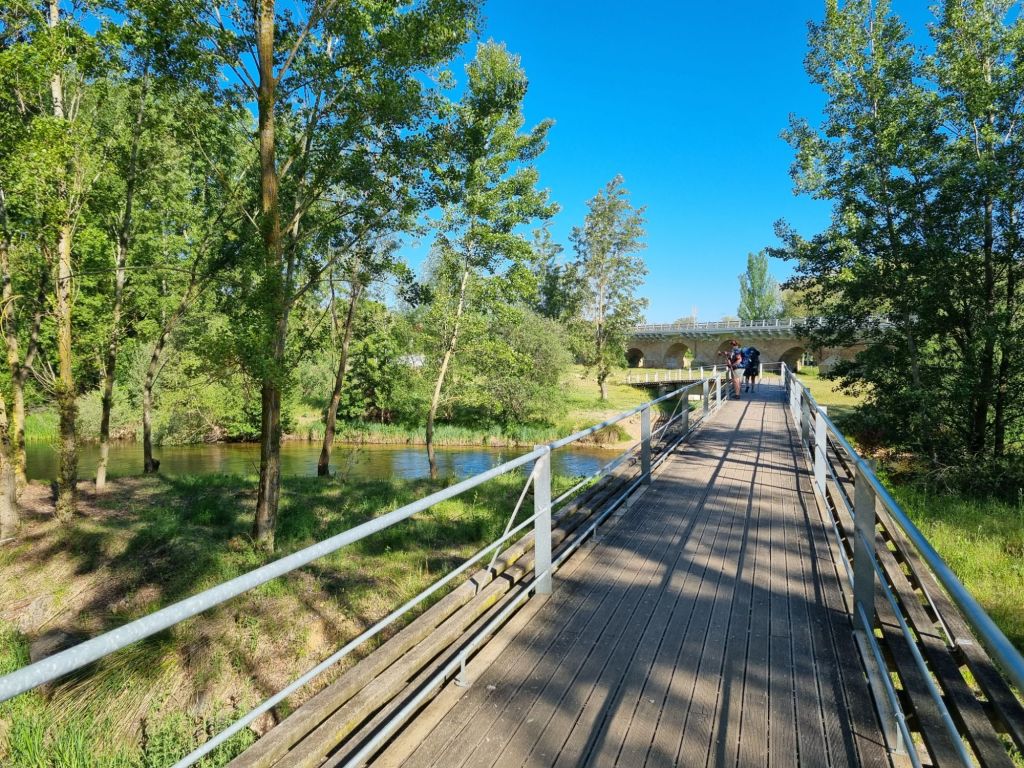
Much of the walk was inevitably parallel with roads but they were mostly not too intrusive. There were interesting rivers to cross by bridge and fields of cereals.

The weather has made a turn towards sunny days. It is still cool but the sun is bright and warm.

After a long gradual climb we could suddenly see the city and were in amongst the busy roads.

But the walk into the centre was of interest. León is a modern, well kept city.

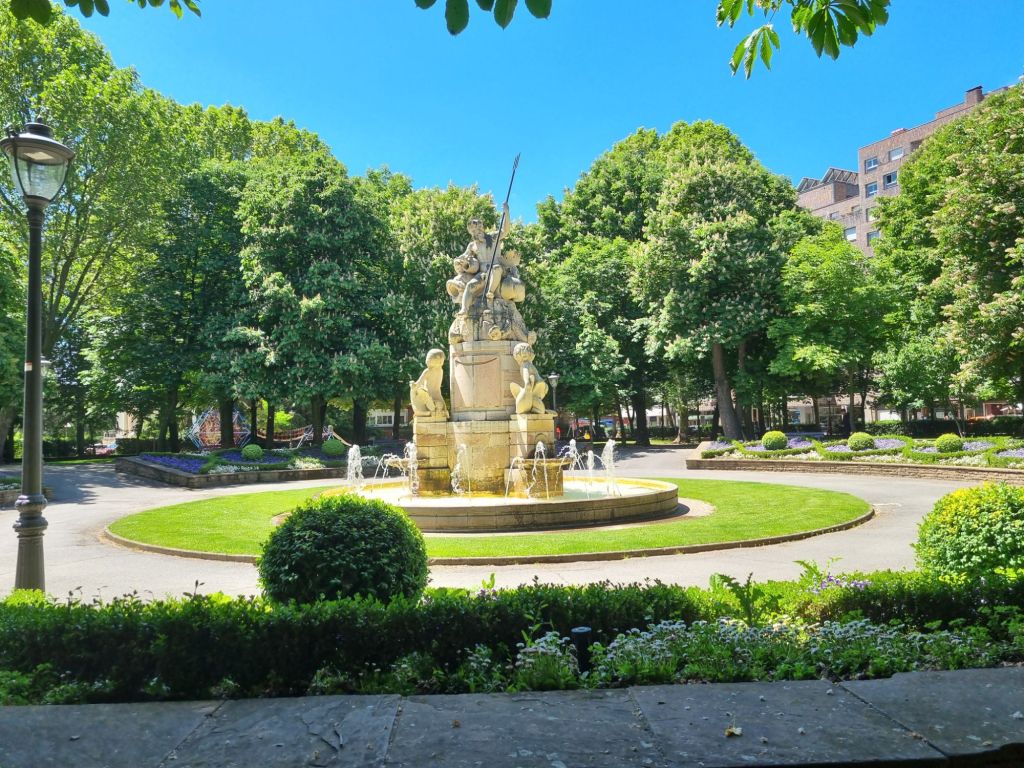
We saw a charming square where we had to enjoy its splendour. It is such a contrast with the rural landscapes we’ve been through over the last ten days. The trees and plants are in a similar state of late spring development as in England but the sun is much brighter.

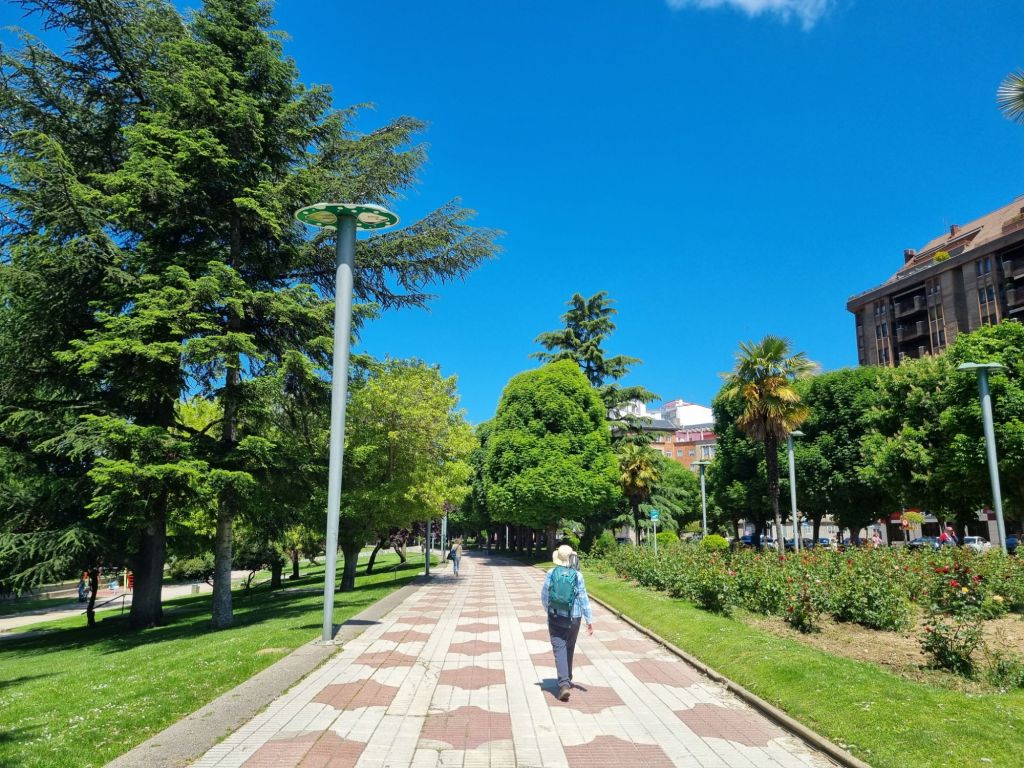
We found a delightful walk to our destination through a long linear green corridor alongside the river. This is the best way to arrive in a city.

Our lodgings for the next two nights are an old monastery which has been converted into a splendid hotel. I’ve read about these Spanish Paradores. We’re definitely keen to explore more of them.

Tomorrow we will have an enjoyable day exploring the centre of León then just five more walking days to Ponferrada where we end our 2024 Camino.

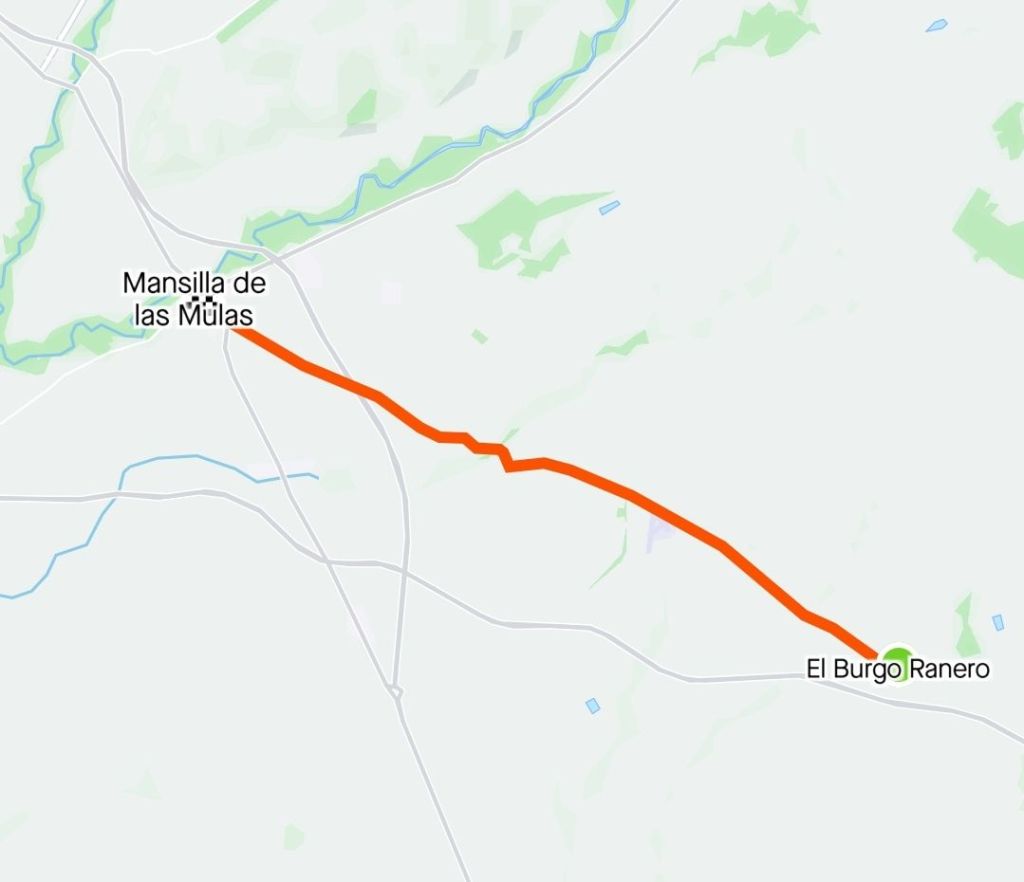
Day 8 – El Burgo Ranero to Mansilla de la Malas

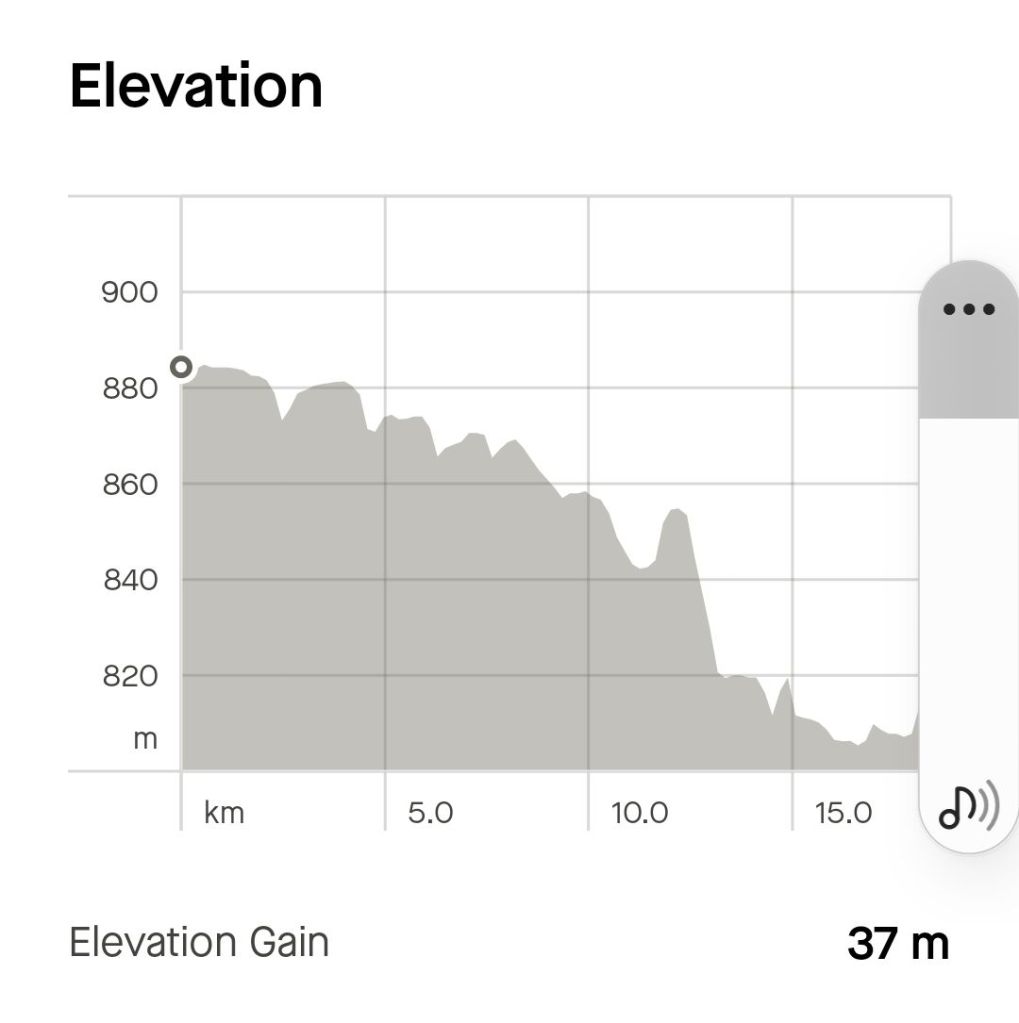
We had 19 km to walk today which is relatively short and mostly downhill so I decided to give it a go whilst still feeling a bit under the weather. Fortunately it all went well.

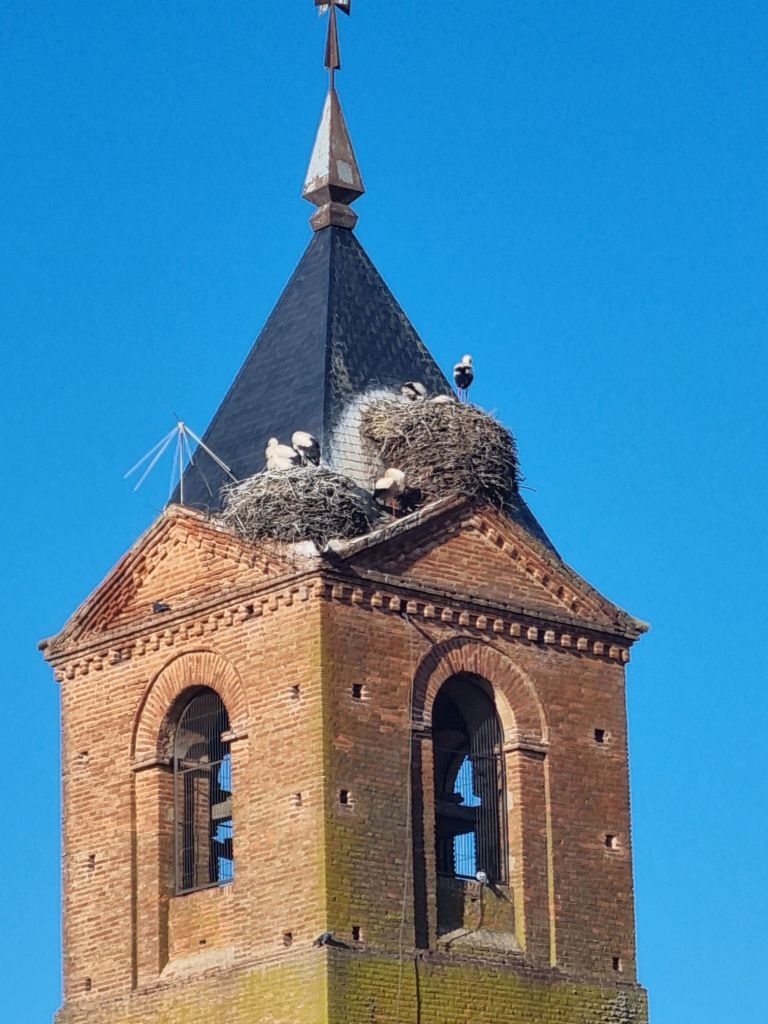
As we left El Burgo Ranero we admired the storks on the church tower and were surrounded by swallows, swifts and housemartins with their beautiful flight patterns. It was lovely to see so many birds.

Our walk was along a minor road all the way which was very quiet. London plane trees platanus x hispanica lining the path most of the way along which would provide much needed shade in the summer.

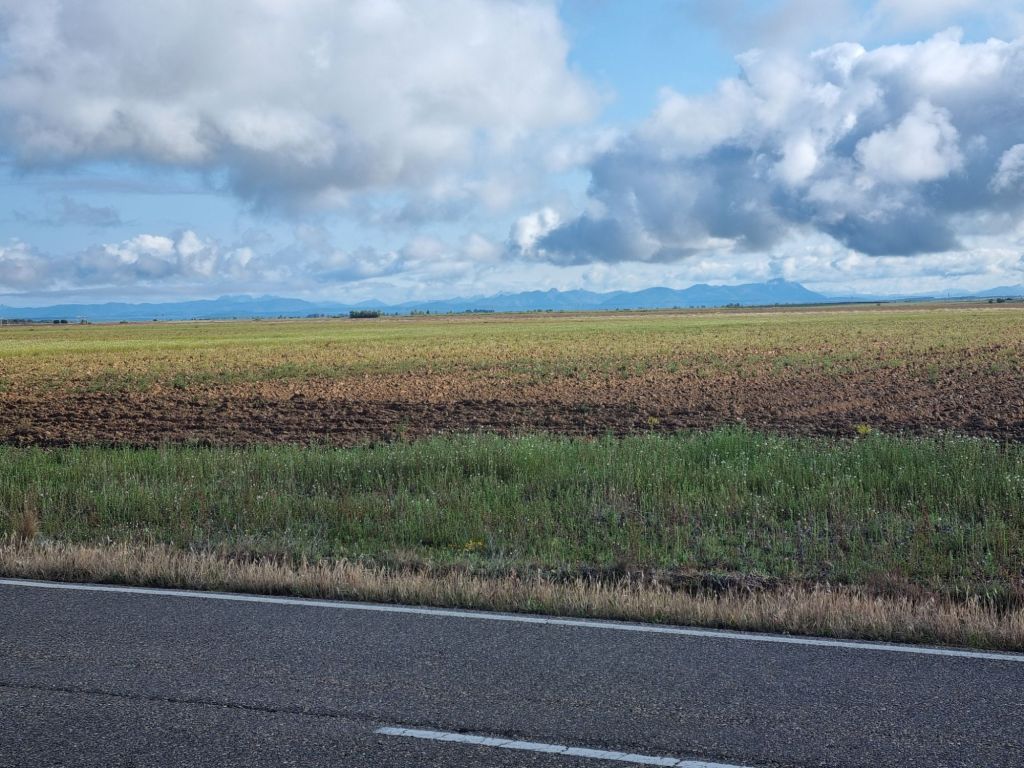
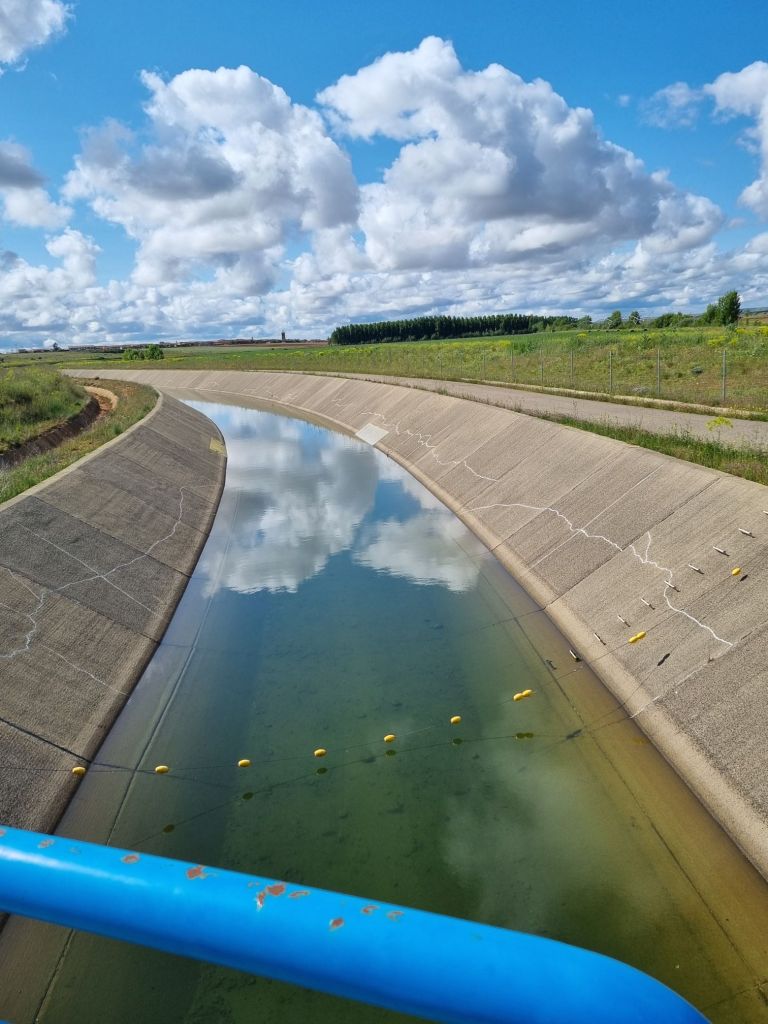
To the north of us we could see across the flat fields the Picos de Europa mountains. To the far west we could see the Galician mountains with what looks like snow on the top but they are at least 100 km away. The land usage is slowly changing from solely cereal crops, mainly wheat, to include sunflowers. As this is dry upland there are plenty of irrigation systems including large canal systems.

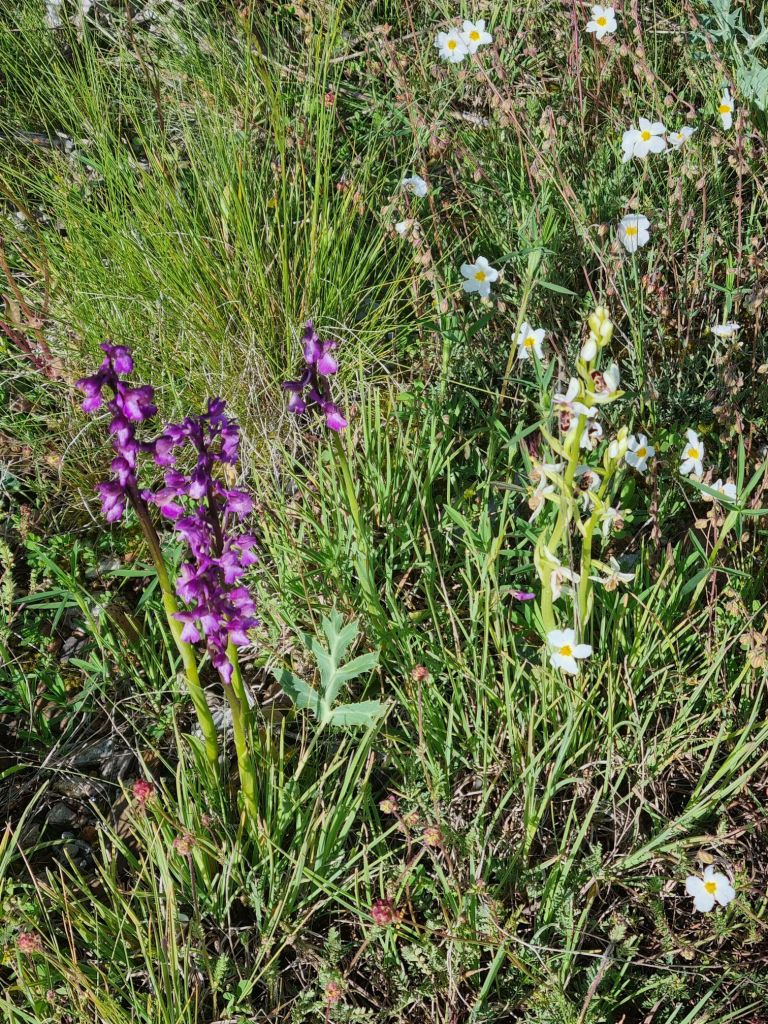
Alongside a small aerodrome there were a profusion of purple orchids with a few white orchids which were all rather splendid.

As we neared our destination we saw cattle grazing peacefully in large enclosed irrigated pasture land. We’ve seen very little livestock in fields. I fear such pampered bulls are destined for only one venue.

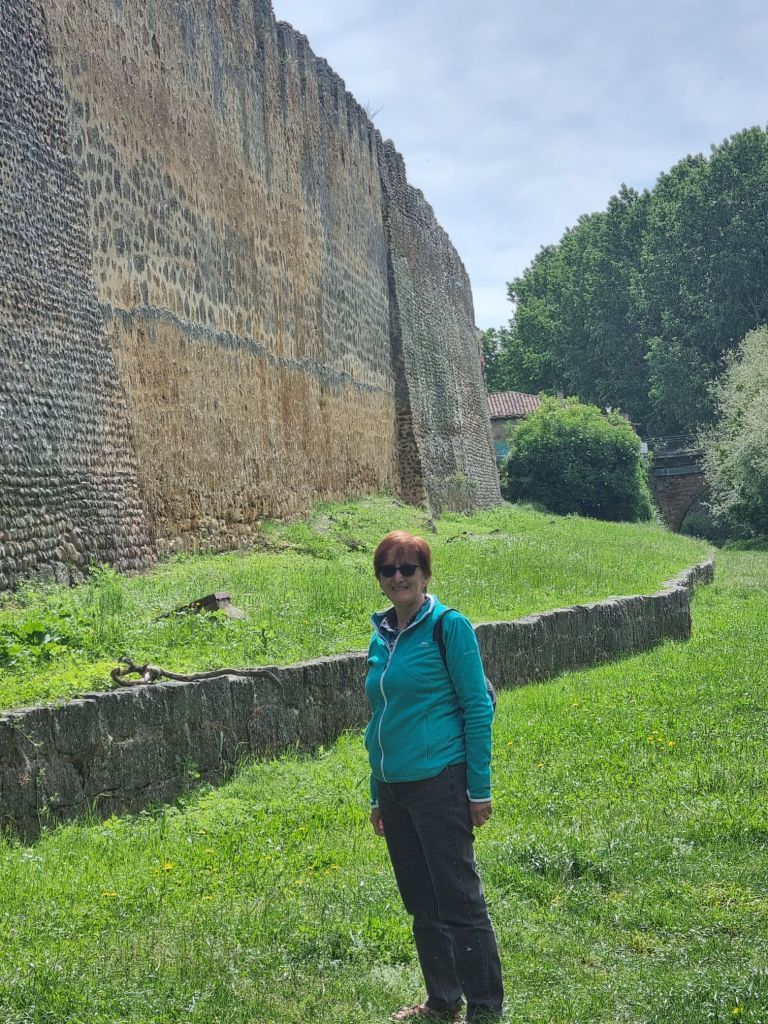
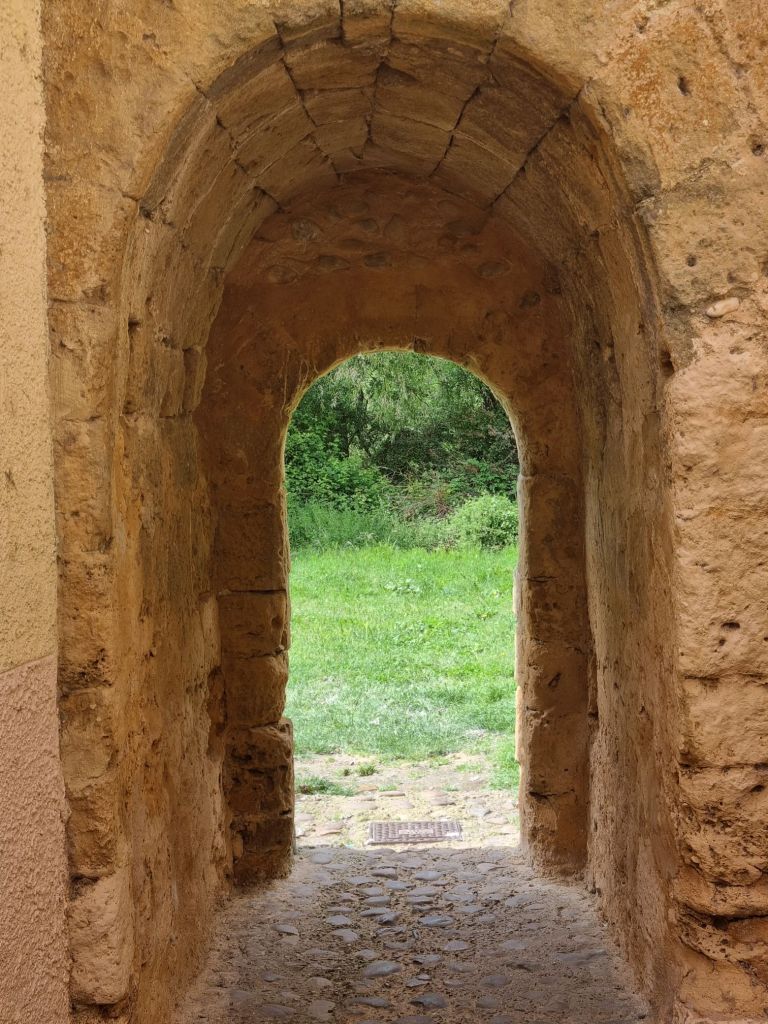
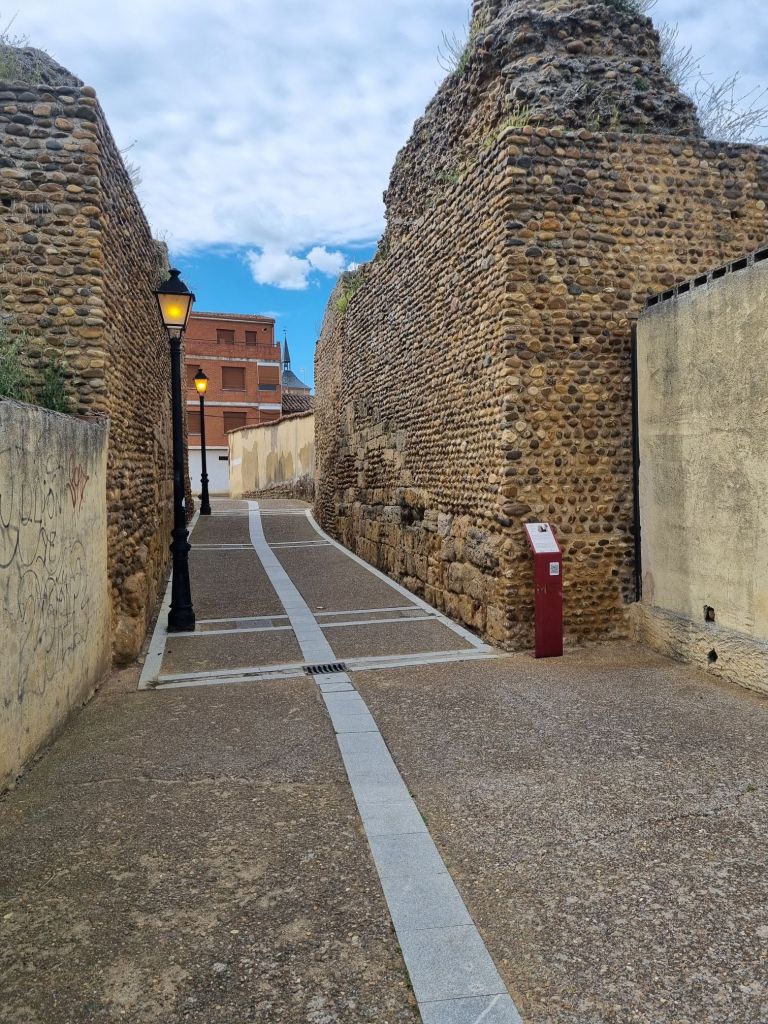
We arrived in Mansilla in reasonable time. This town was important as the joining place of the Camino Francés and the Camino Liébana which starts on the north coast west of Santander. The town still has impressive remains of its 12th century town walls.

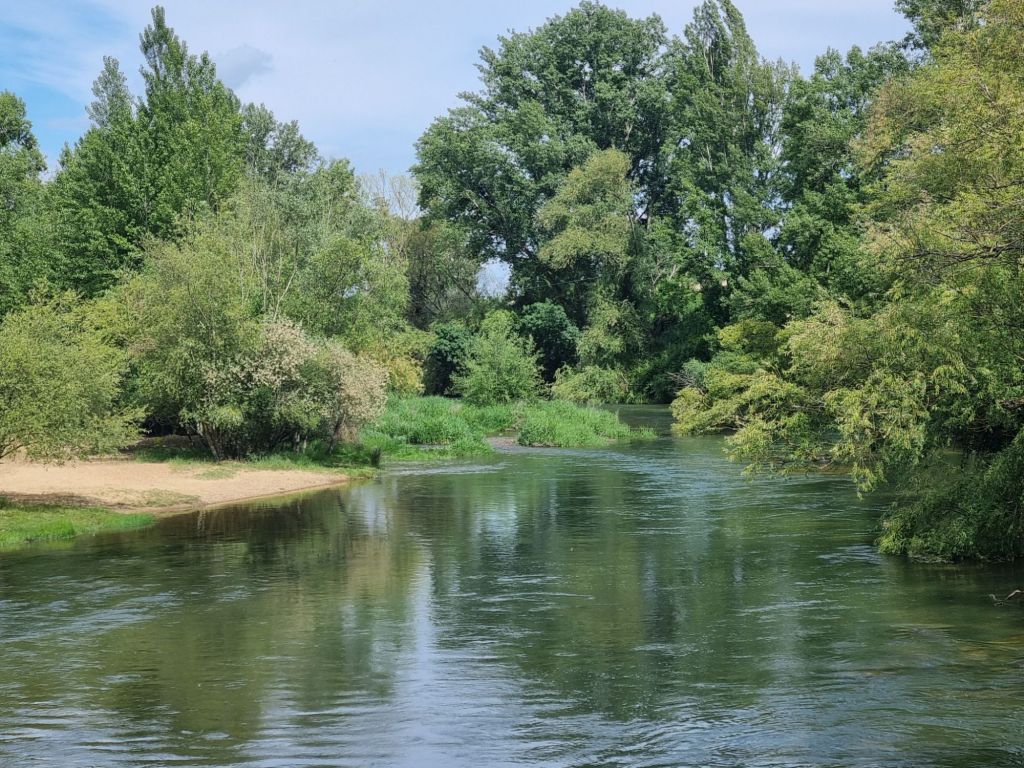
Flowing just beyond the town walls is the attractive Río Esla coming down from the Picos.

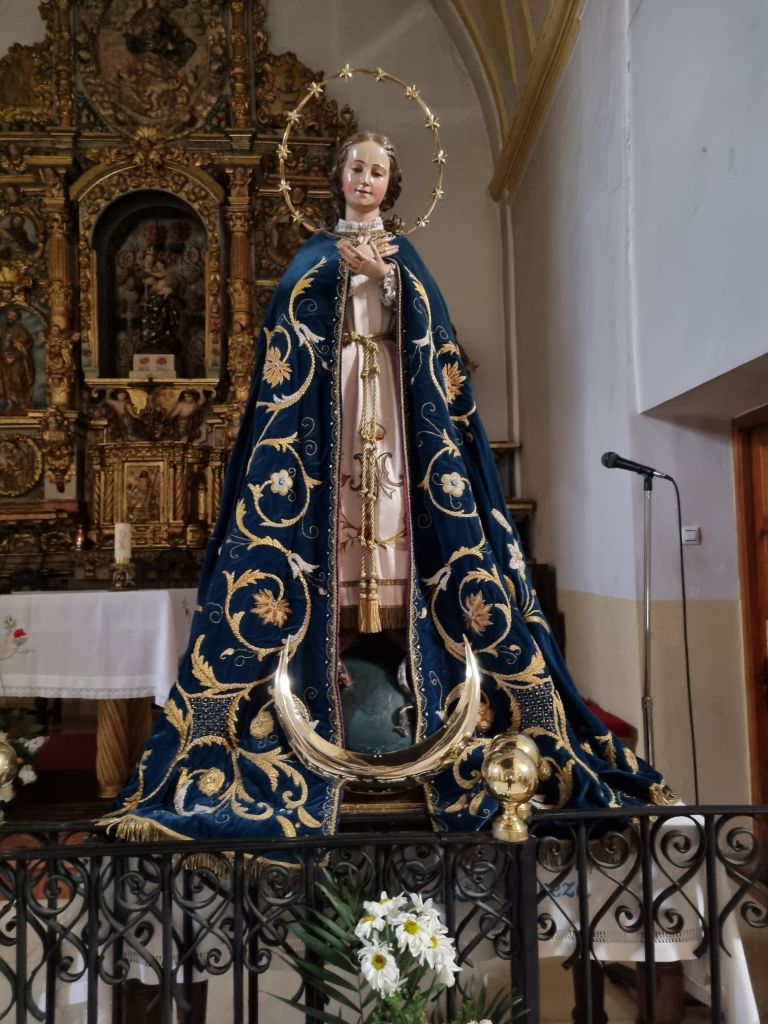
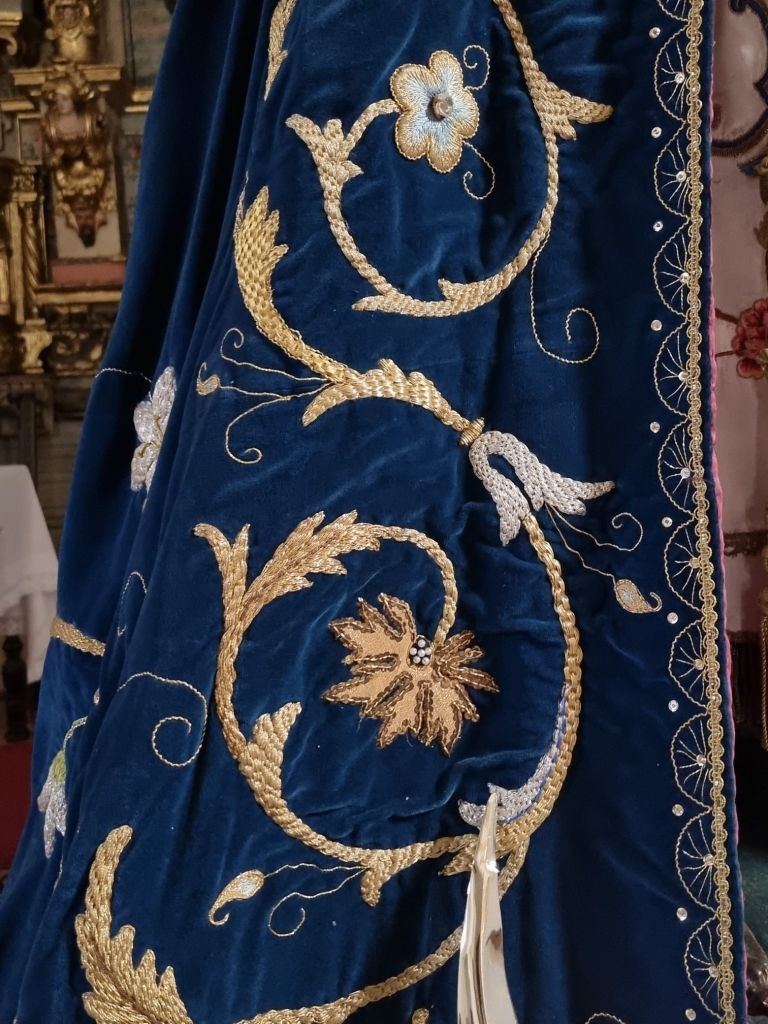
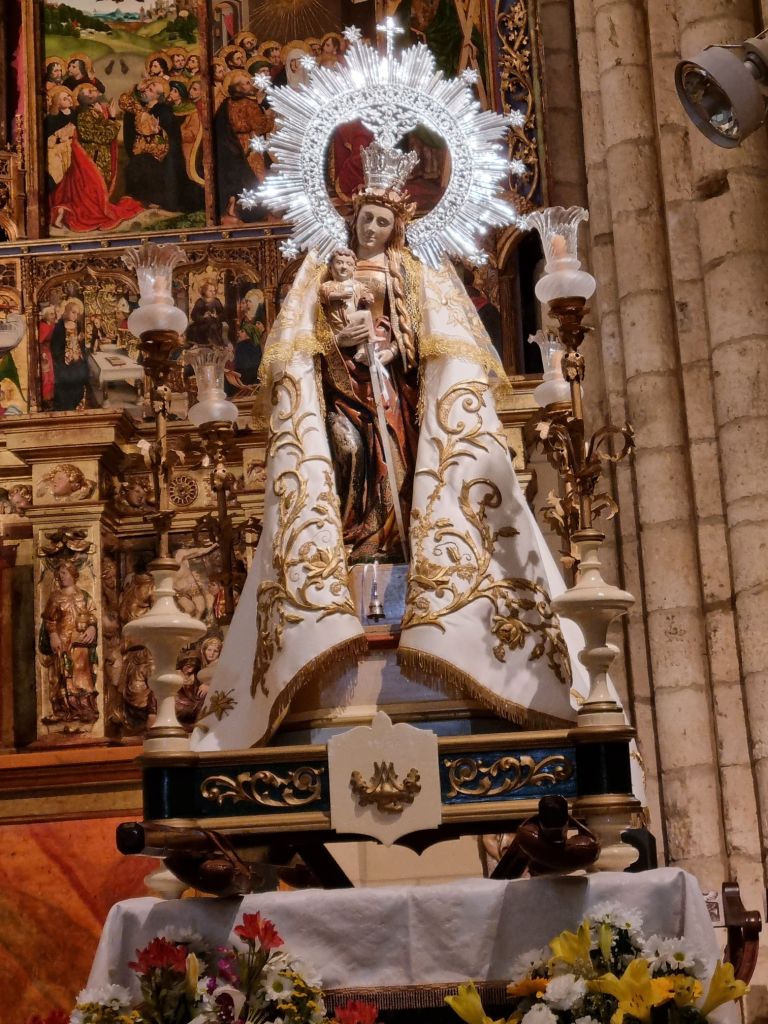
In the church was a beautiful Madonna. Her cloak was covered with intricate goldwork.

There is much history in this landscape with the Celts, Romans, Visigoths, Muslims having fought and lived sequentially in this area until the reconquest under the Spanish.

We’ve one more stage to do tomorrow to reach León and a second rest day.

Day 7 – Sahagún to El Burgo Ranero

It was our rest day yesterday which was just as well as I came down with a heavy cold which literally laid me flat for most of the day. We did manage a short walk around the town.

Sahagún had been the pre-eminent Benedictine establishment in Spain having direct links with Cluny. This all stopped at the beginning of the 19th century when the government confiscated church properties.

The Benedictine remains
The town square

Our hostel in Sahagún was opposite the bullring. The barricades for protecting onlookers from the bull run were being put in time for the fiesta in a couple of weeks time. We felt sorry for the young bulls who are currently living the life of riley somewhere.

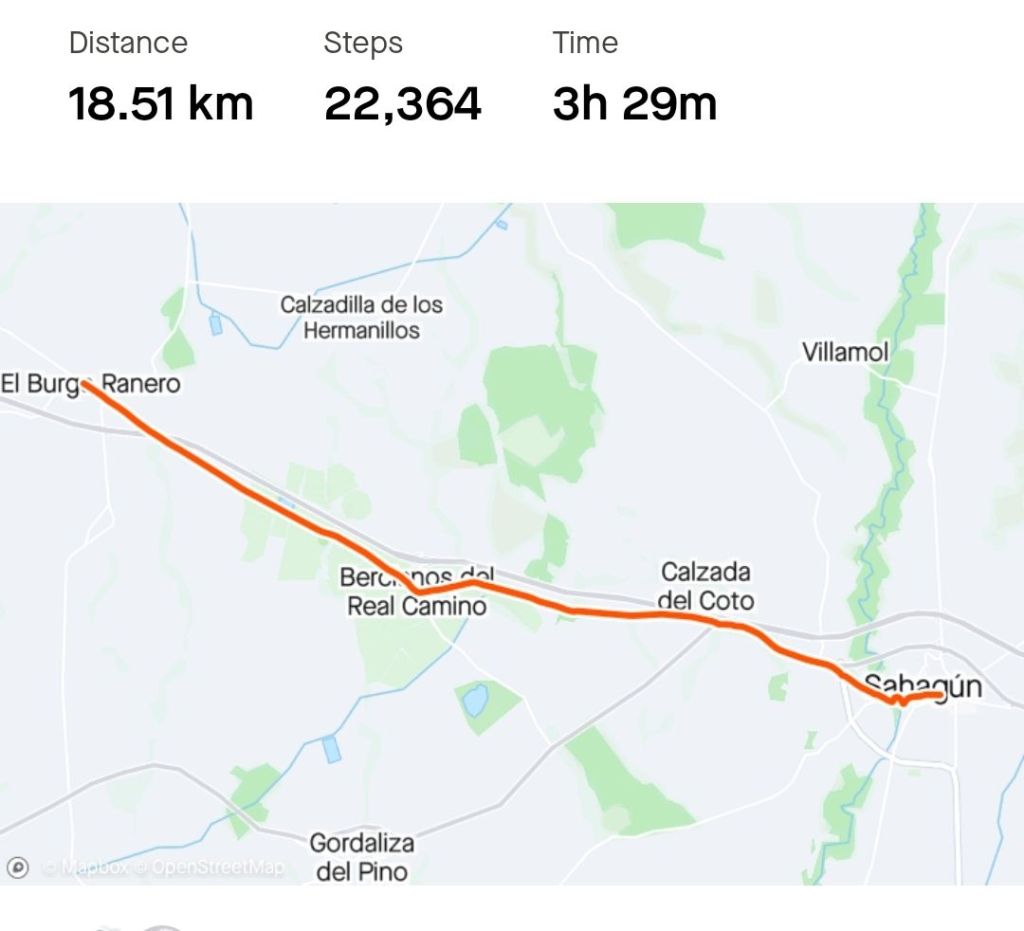
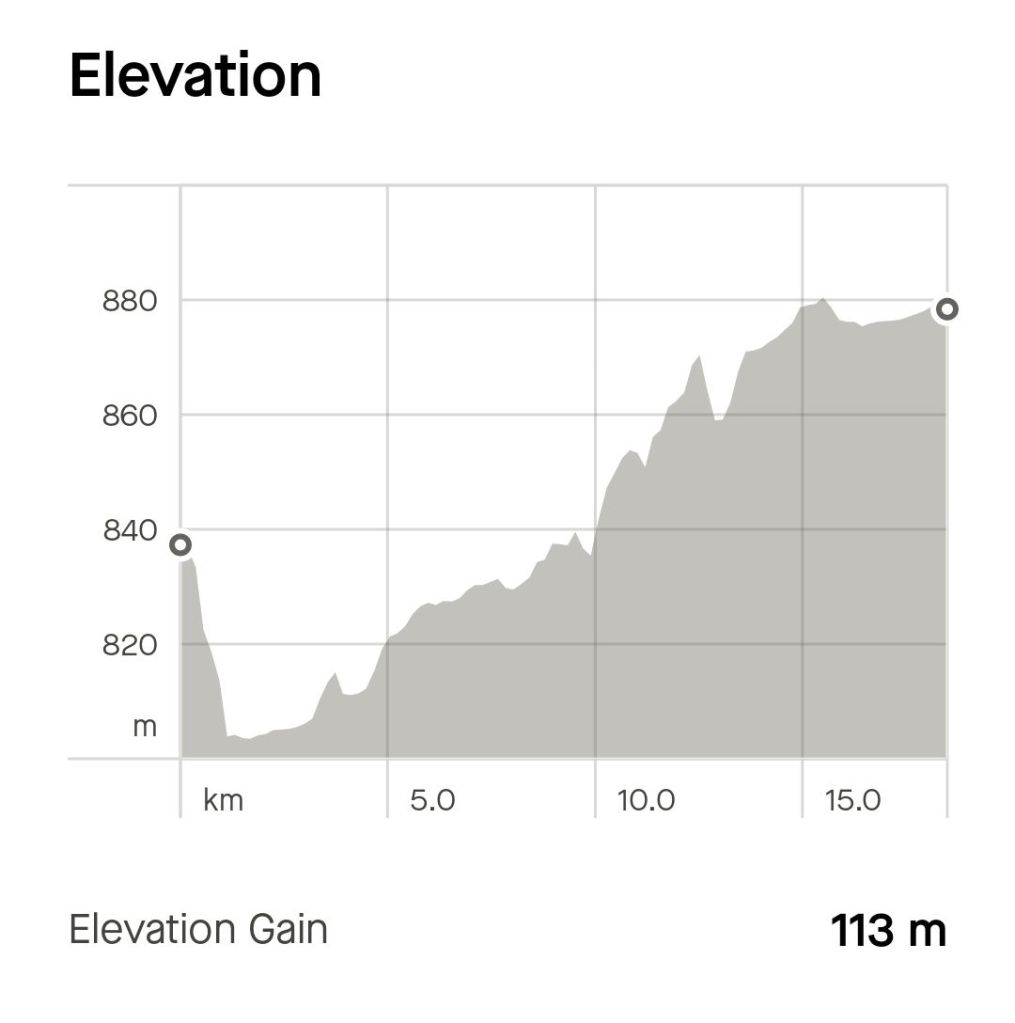
Beryl walked today’s route by herself in a speedy time.

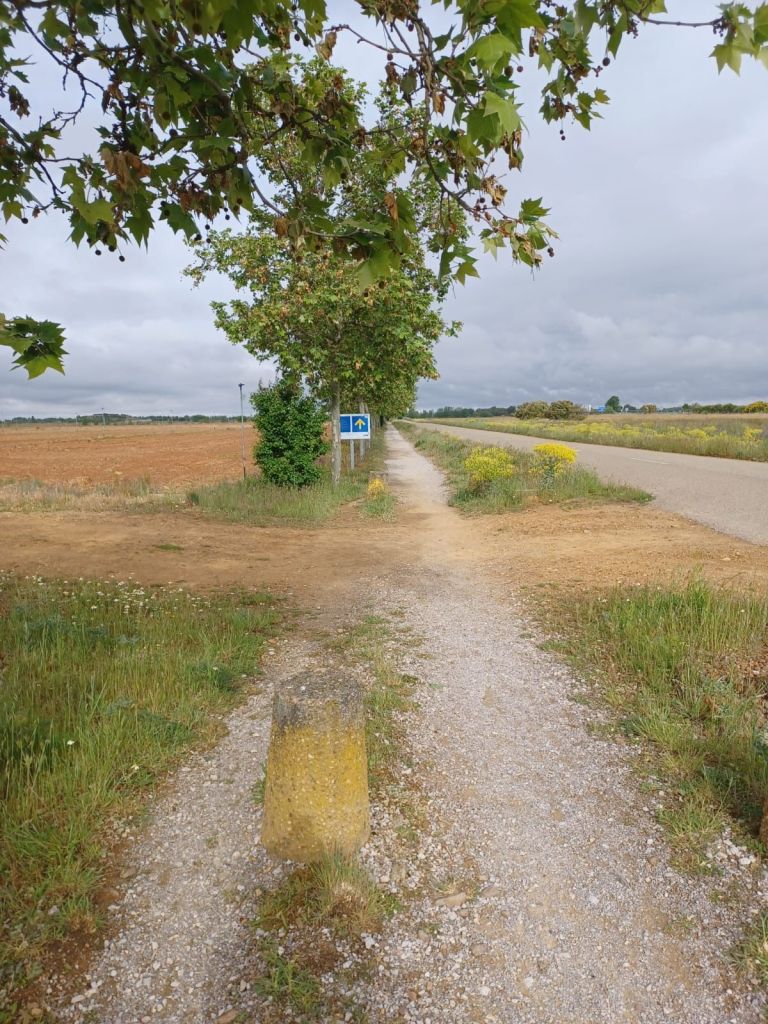
The pathway was mostly flat alongside the road so not too exciting but Beryl just enjoyed following the path.

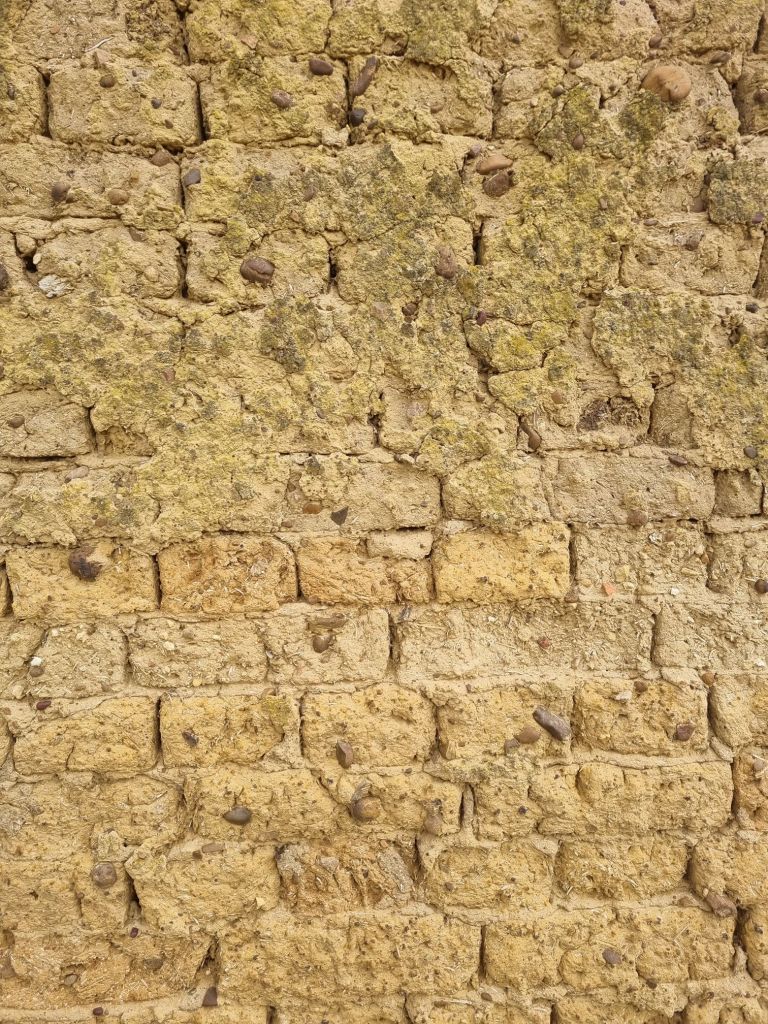
El Burgo Ranero is a very quiet place. In this part of Spain many of the building exteriors are plastered with what looks like a combination of mud, straw and gravel. The bricks behind are sometimes sun dried rather than oven baked. It must have been hard times in these places in years gone by.

Day 6 – Calzadilla de la Cueza to Sahagún

We’ve found the Camino to be busier than it was last year. We suspect that this is due to many people starting at the beginning of May and they have now arrived at this section. 1st May is when the Pyrenees are safe to cross at the high level. Even so fellow pilgrims are reporting they crossed in snow just two or three weeks ago.

There’s no risk of snow here but it remains chilly in the morning. The temperature is gradually increasing in the afternoon and was around 16° today. The sun is warm when it comes out. We’ve been spared rain during the day over the last six days though it has rained over night leaving many puddles to negotiate.

As many pilgrims are pushing on through to Santiago they like to get going promptly. We’ve realised that although we do need to be packed by 8 and leave our suitcases, there’s no need to breakfast by then. This morning we had a relaxed breakfast and were the only ones there.

Our route today was through more varied landscape with plenty of turns in the way. Although we were parallel with a road it was quiet and did not intrude much. We’ve walked 22 km today.

On times we had the road to ourselves which was very pleasant. We also chatted with others as we walked along. It turns out that author Lisa is keen on textile crafts so she and I had a good conversation on this subject. There are a number of trogloditic dwellings. It must have been a poor lot for many.

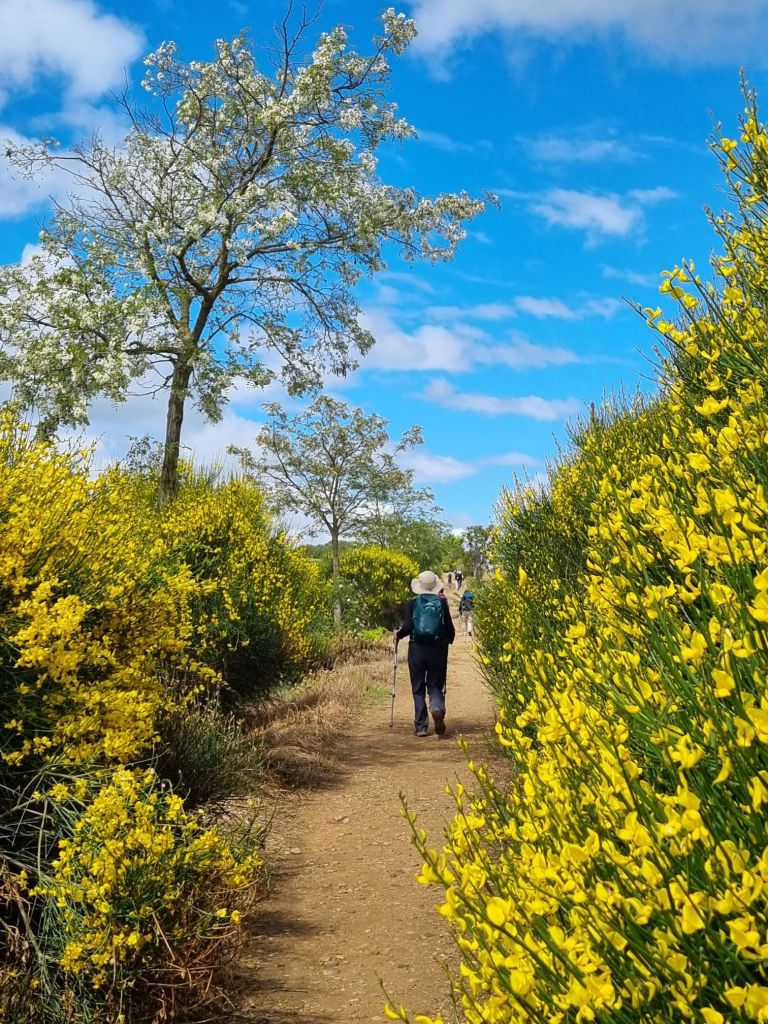
Our flower of the day was spartium junceum or Spanish broom and interspersed with robinia pseudoaccacia trees. The fragrance of both was delightful.

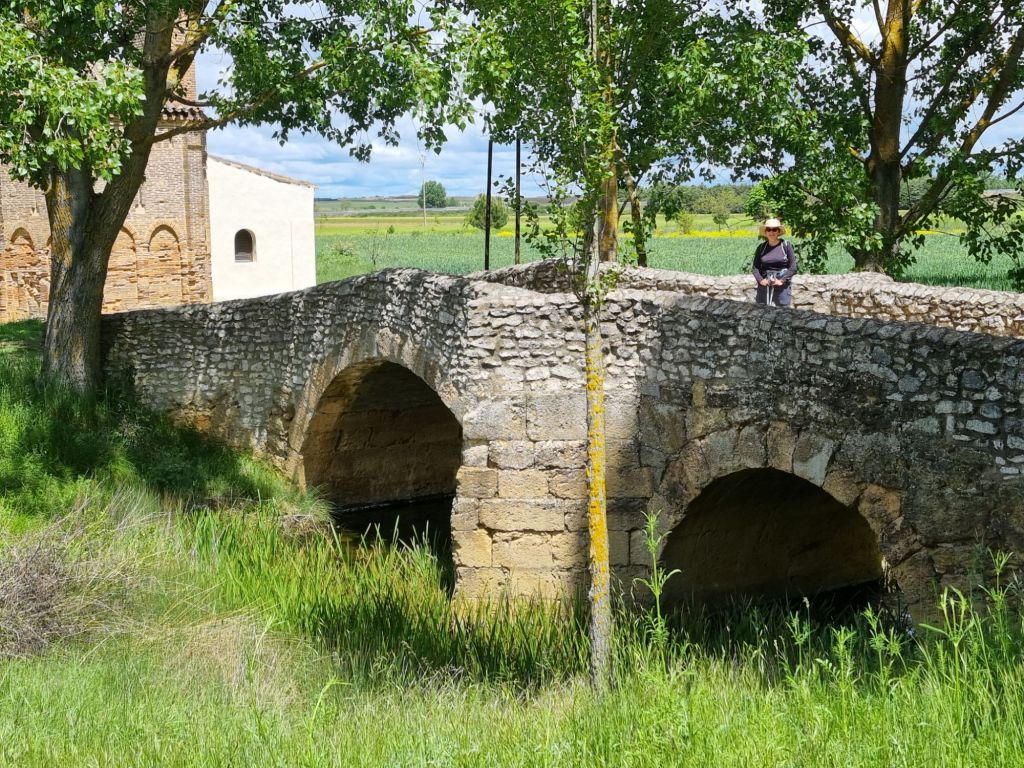
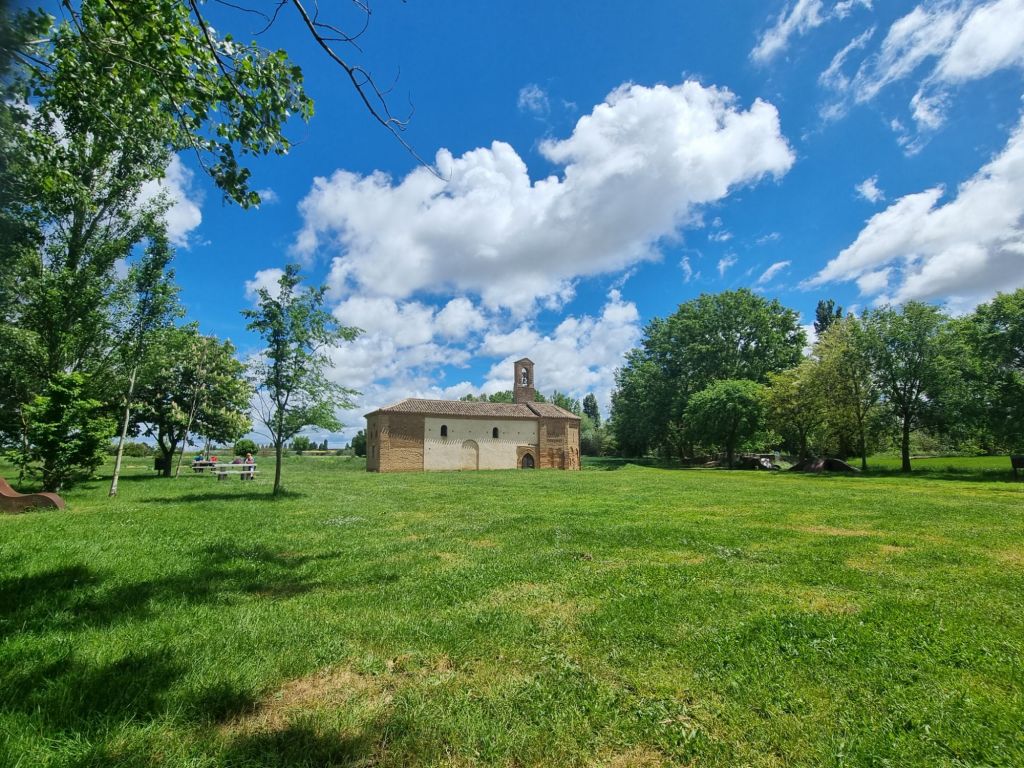
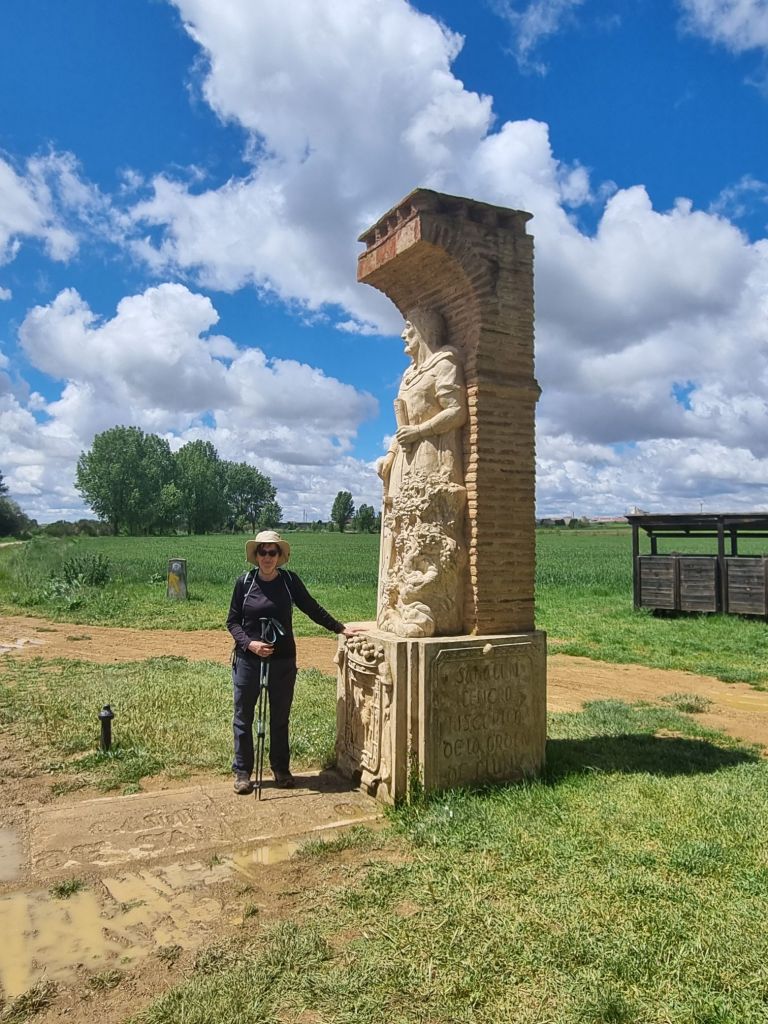
As we neared Sahagún we came to a lovely spot with a Roman bridge, a hermitage and a pleasant sitting area. This was also the halfway point of the whole Camino marked by two statues.

We’ve walked 129 km in the last six days and are looking forward to a well earned rest day. It will be nice not to have to pack our bags first thing. There are several old churches to explore tomorrow.

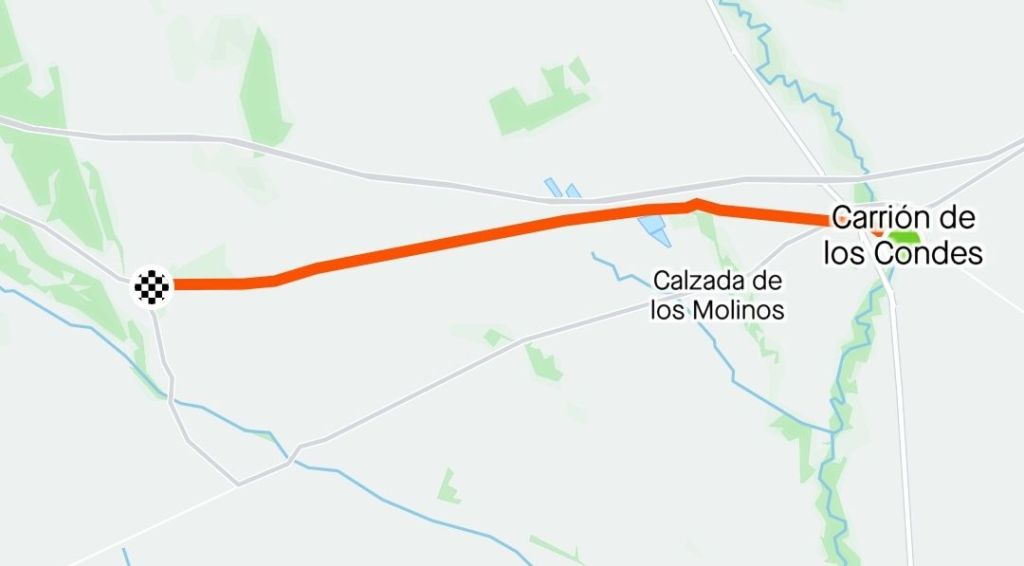
Day 5 – Carrión de los Condes a Calzadilla de la Cueza

Today was a straightforward day with little navigation to be done. The route between the two places was the old Roman road. Although covered with new gravel, the road still has drainage ditches on both sides and is raised up.

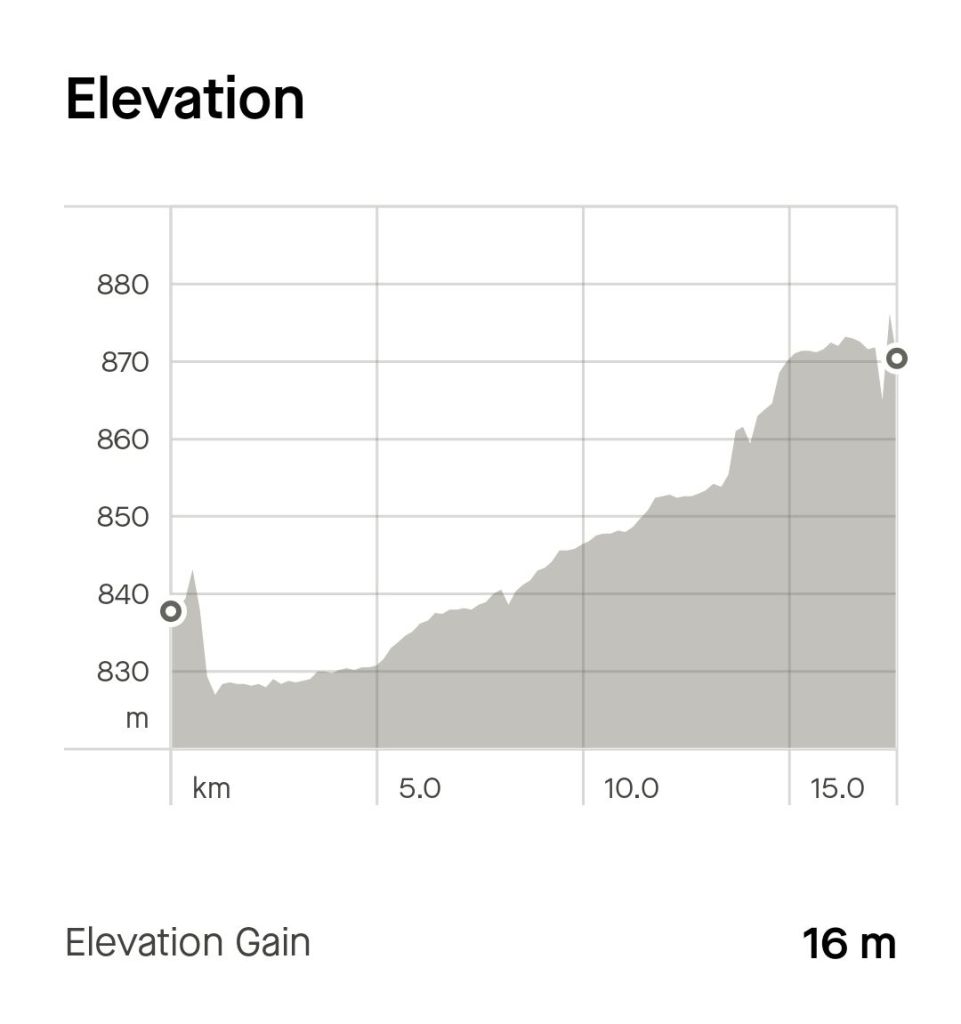
There were no villages en route with just vast fields of wheat to look at. The road rose up slowly but only with an overall gain of around 30 metres to 870 m.

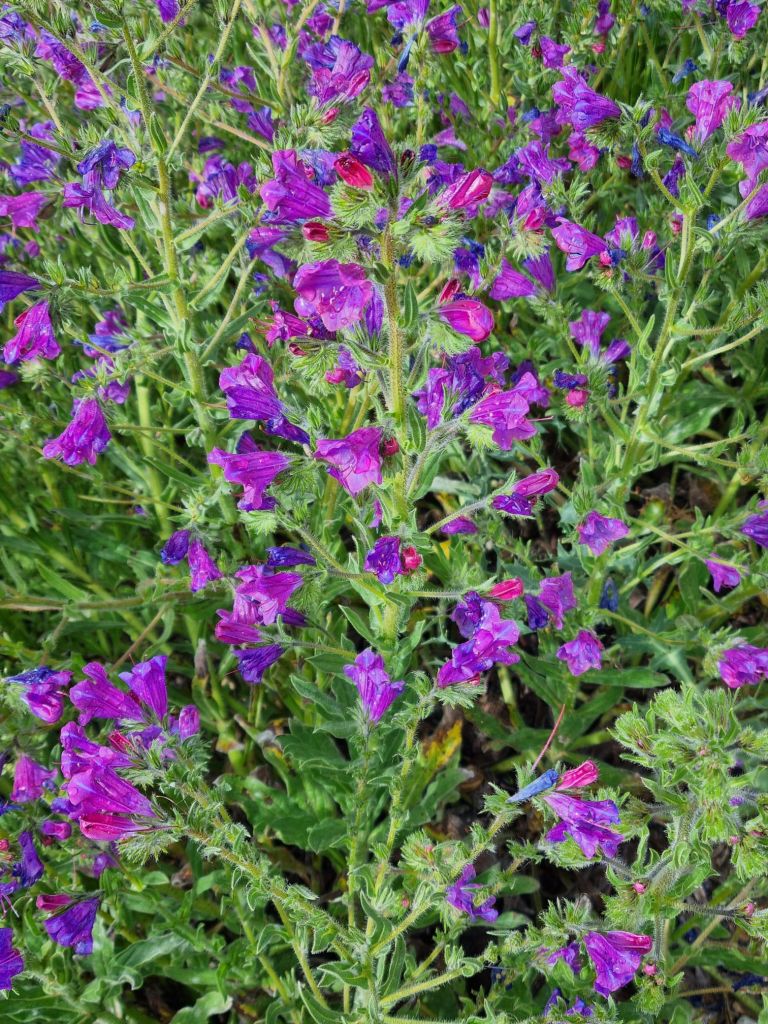
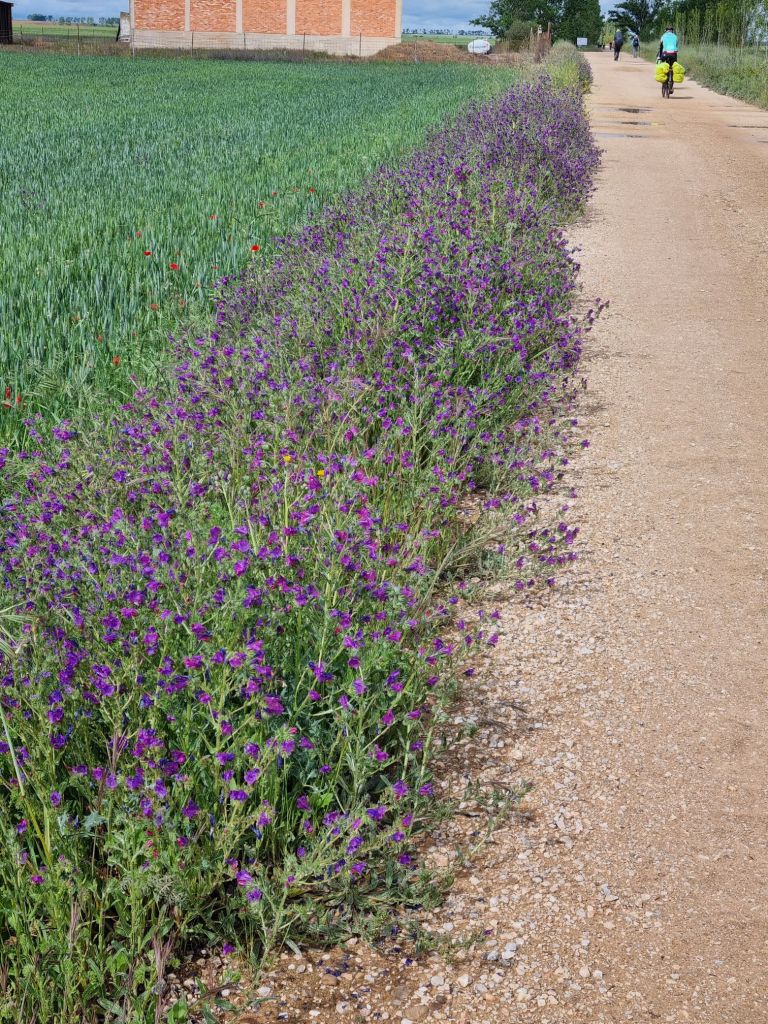
The flower of the day was Purple Viper’s Bugloss or Echium plantagineum. The vivid purple colour was a pleasure to enjoy.

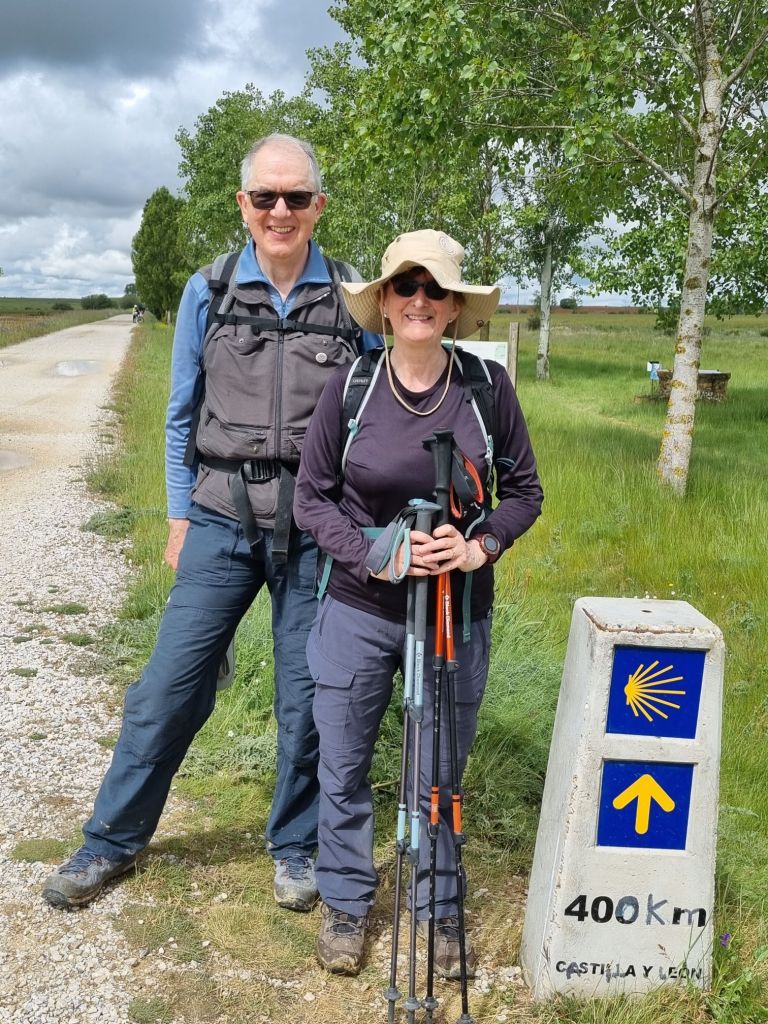
We were pleased to see a marker stone showing 400 km to go to Santiago de Compastella. The total distance of the Camino Francés is 784 km so we are almost at the halfway point. Our distance today was 17.7 km.

The landscape around us has been very flat. We can see the foothills of the Picos de Europa to the north of us. To the west there are hints of the mountains to come.

Looking northward over flat ground to the mountains

As we walk we share Buen Camino! with other pilgrims. Sometimes we have conversations with others but much of the time is spent with one’s own thoughts. Events in the past, current issues to be dealt with and plans for the future. It is refreshing to let the mind wander as it will.

Yesterday I had a good chat with a Canadian woman who has self-published a trilogy of books. It was good to share a love of reading. We had both very much enjoyed Piranesi by Susanna Clarke. Lisa recommended Babel by R F Kuang which I actually have on my Kindle. So that’s one to read next.

It’s been a shorter day today so we’ve enjoyed a quiet afternoon. One more walking day before we have a rest day in Sahagún. Then three days of walking to León where we have another day off.

Day 4 – Frómista a Carrión de los Condes

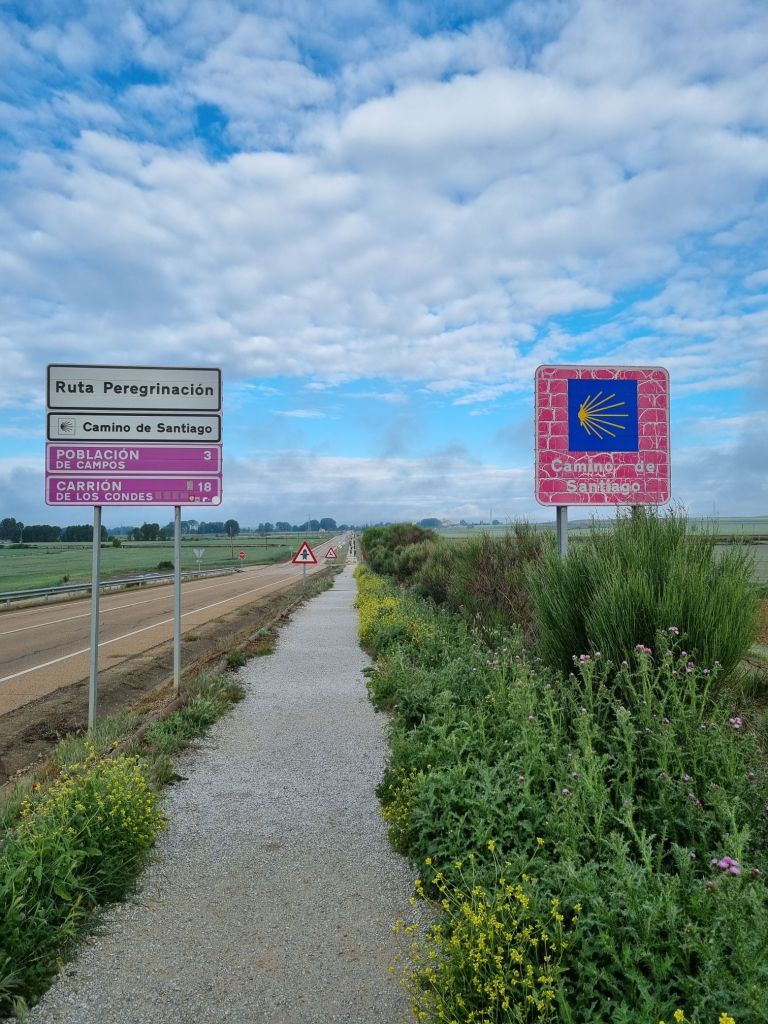
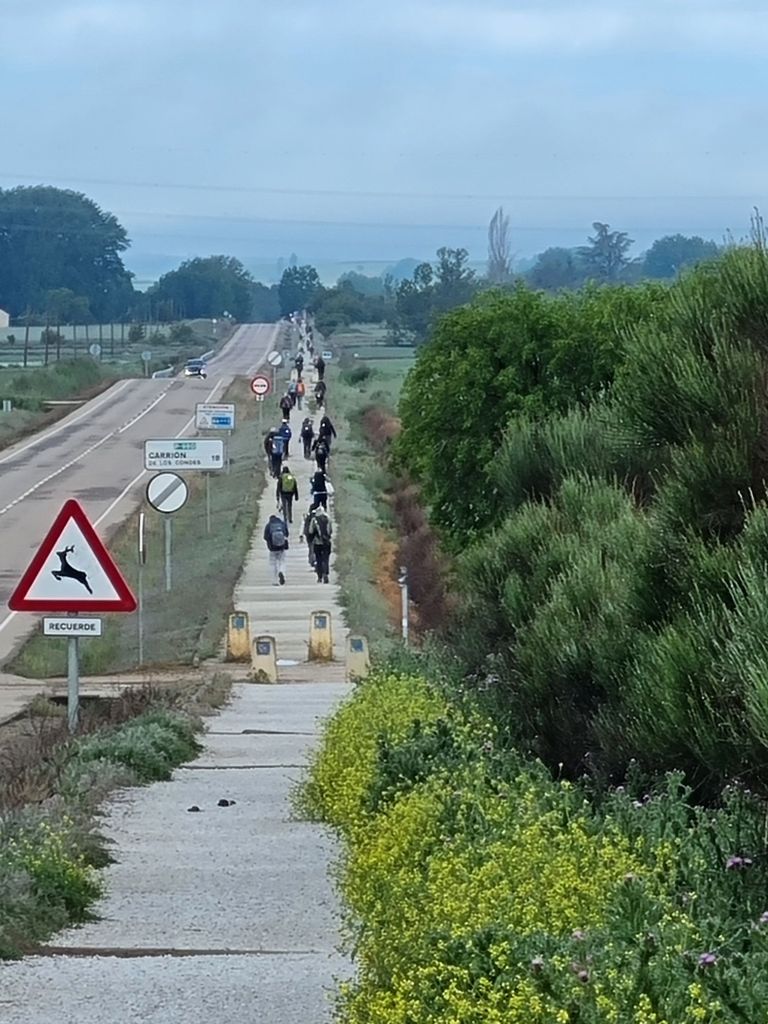
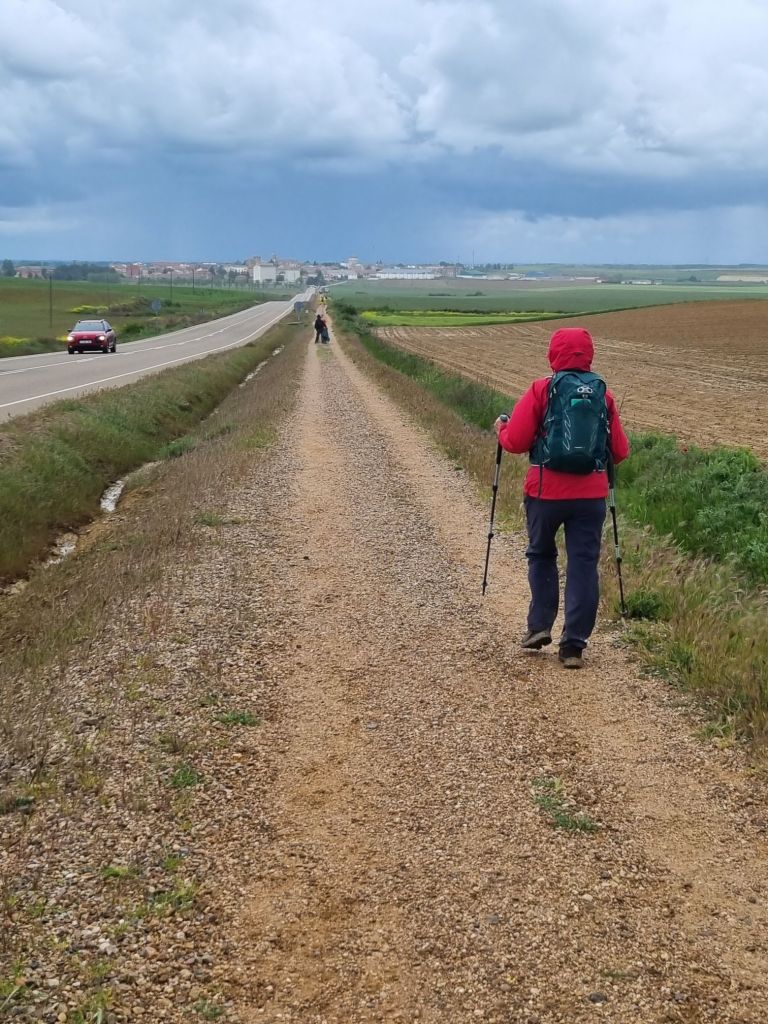
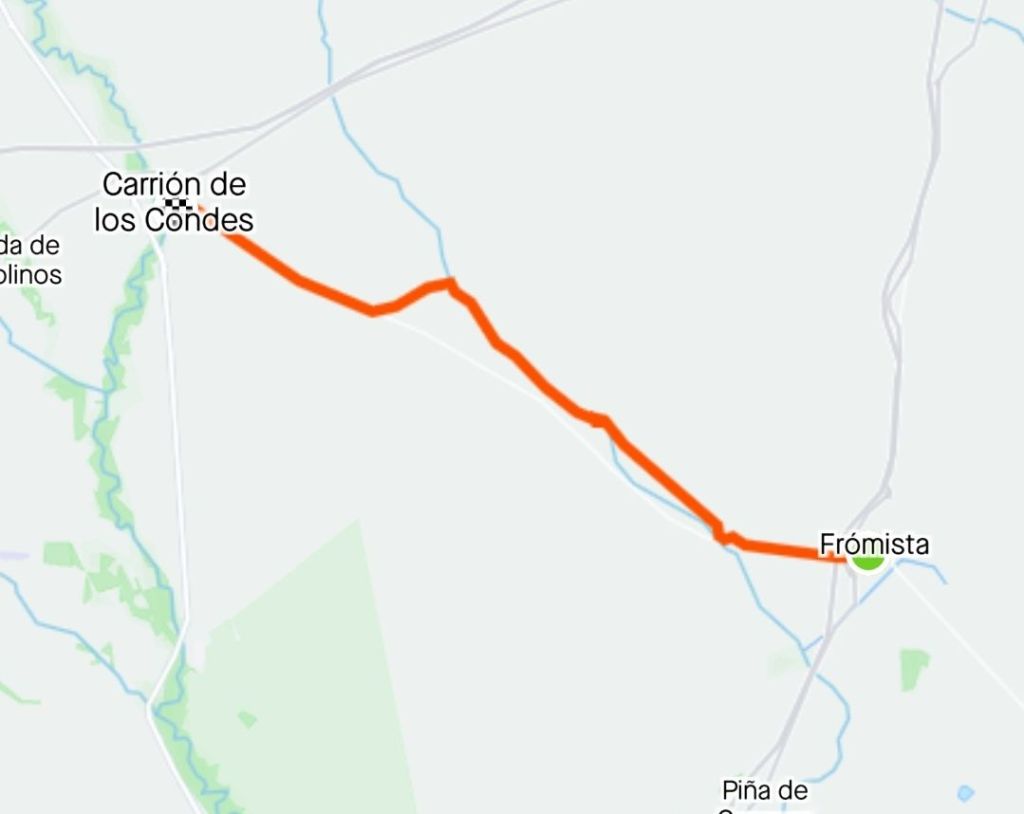
The main route today was a well prepared pilgrims path alongside the straight road to Carrión. Fortunately there was an alternative path which was well off the road and in part followed a large stream.

A soulless straight path
with a steady stream of pilgrims

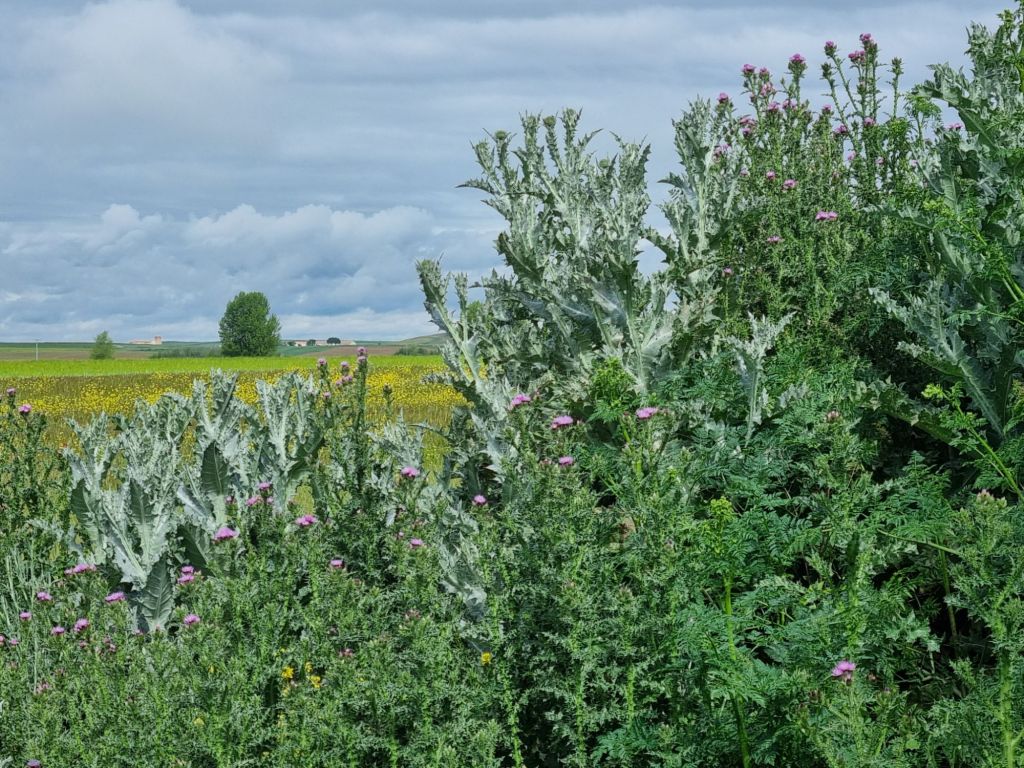
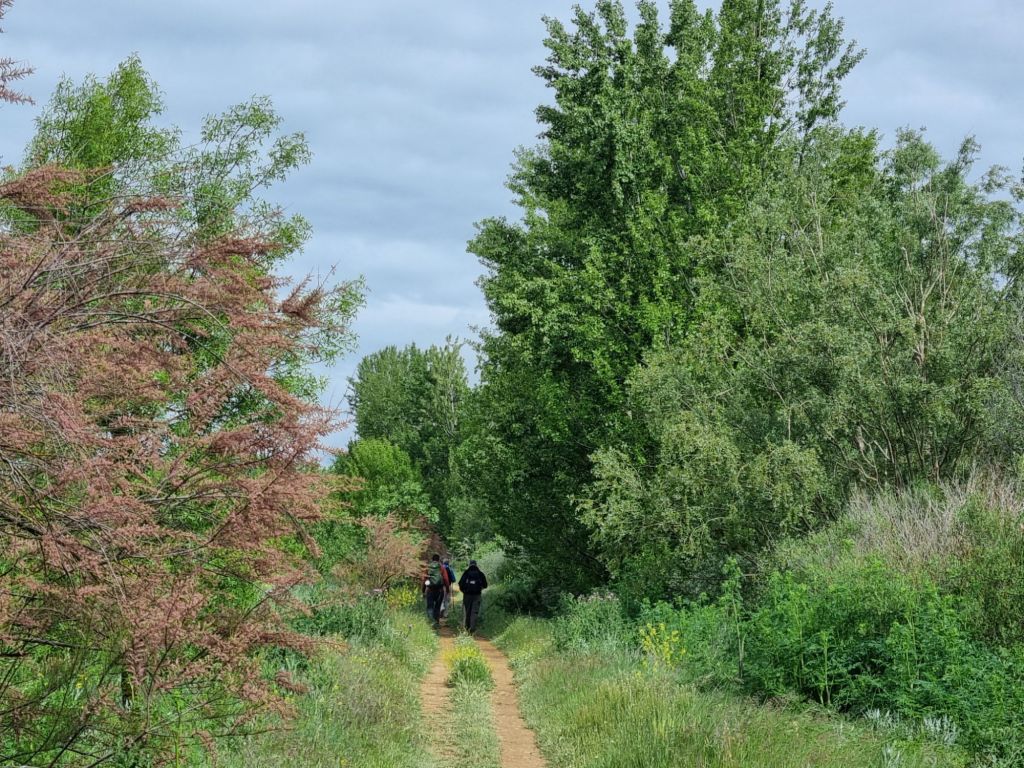
Our route had a profusion of wild flowers and shrubs. It was good to see tamarix almost in full flower. Even the thistles looked splendid and were almost two metres high in places.

The way underfoot was quite muddy at times but we are used to that with our winter training walks.

Mighty thistles
Tamarix and trees

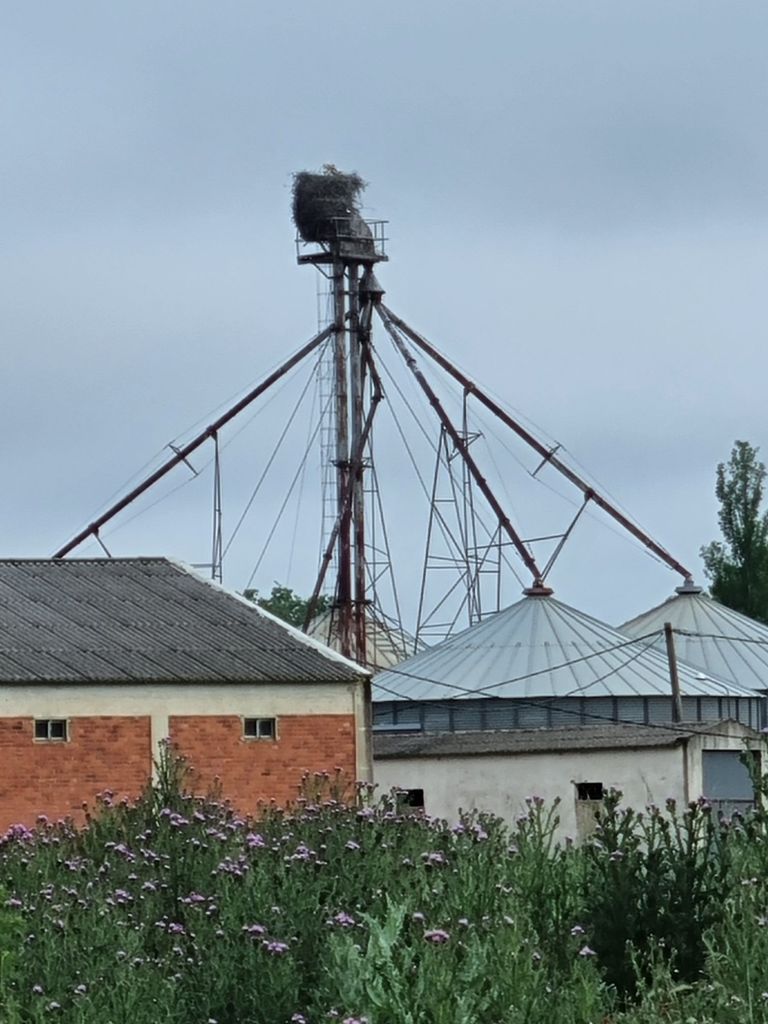
We’ve seen stork nests on many of the church towers. Sometimes three or four nests on one tower. The top of a granary construction is a curious alternative. It is splendid to see the storks flying around.

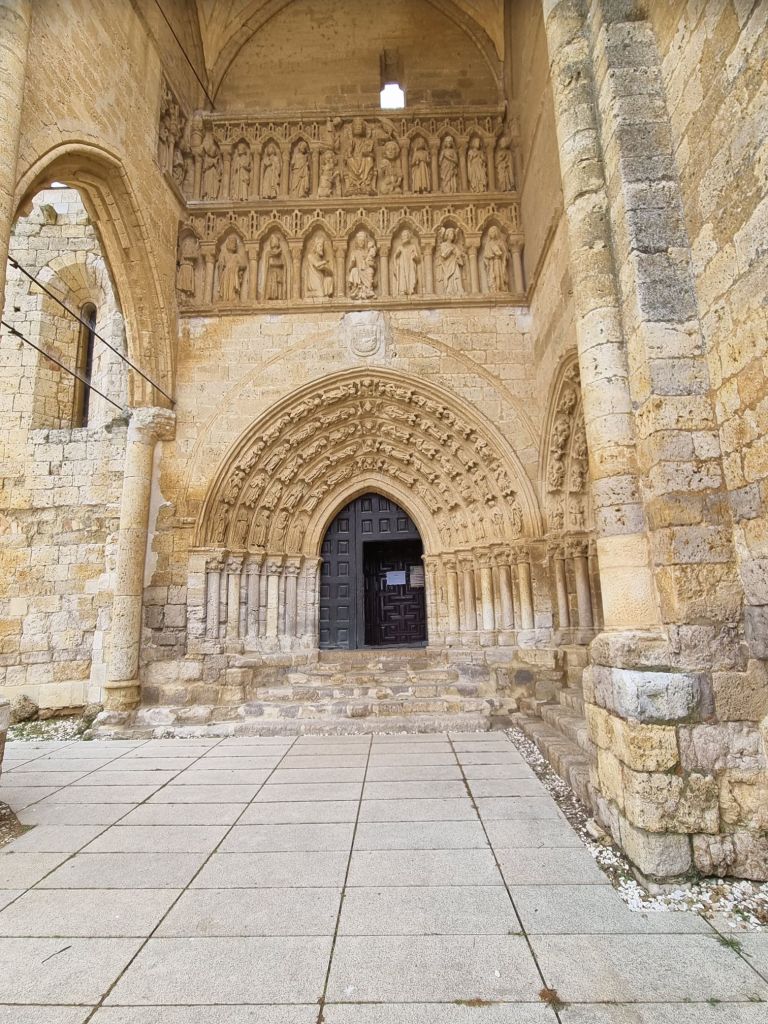
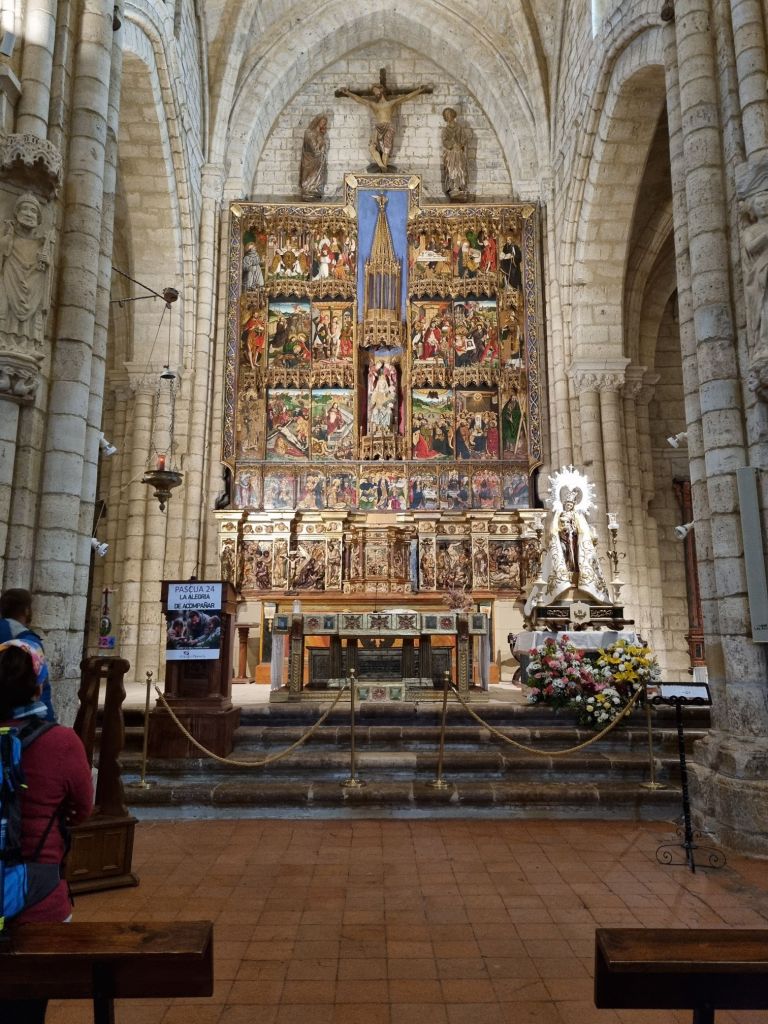
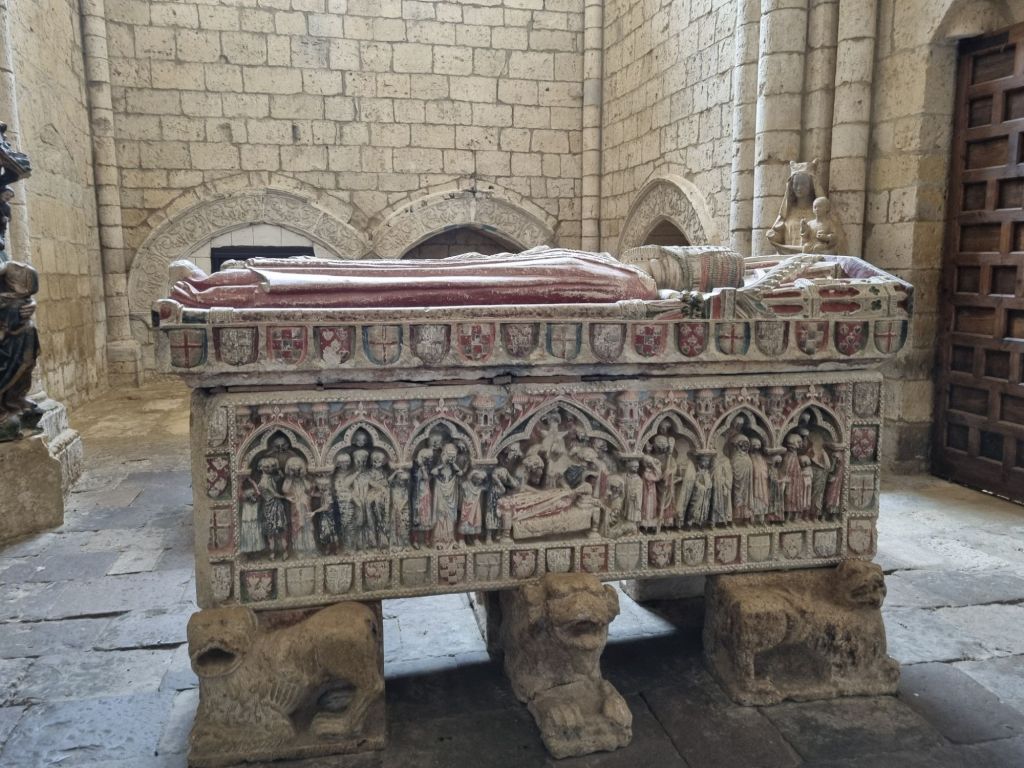
At Villalcázar de Sirga there is a lovely Templar church from the 13th century. There are several royal family tombs still with their polychrome decoration.

This seems a remote area for a royal church but we were reminded yesterday of how central the Camino was to Christian Spain at this period.

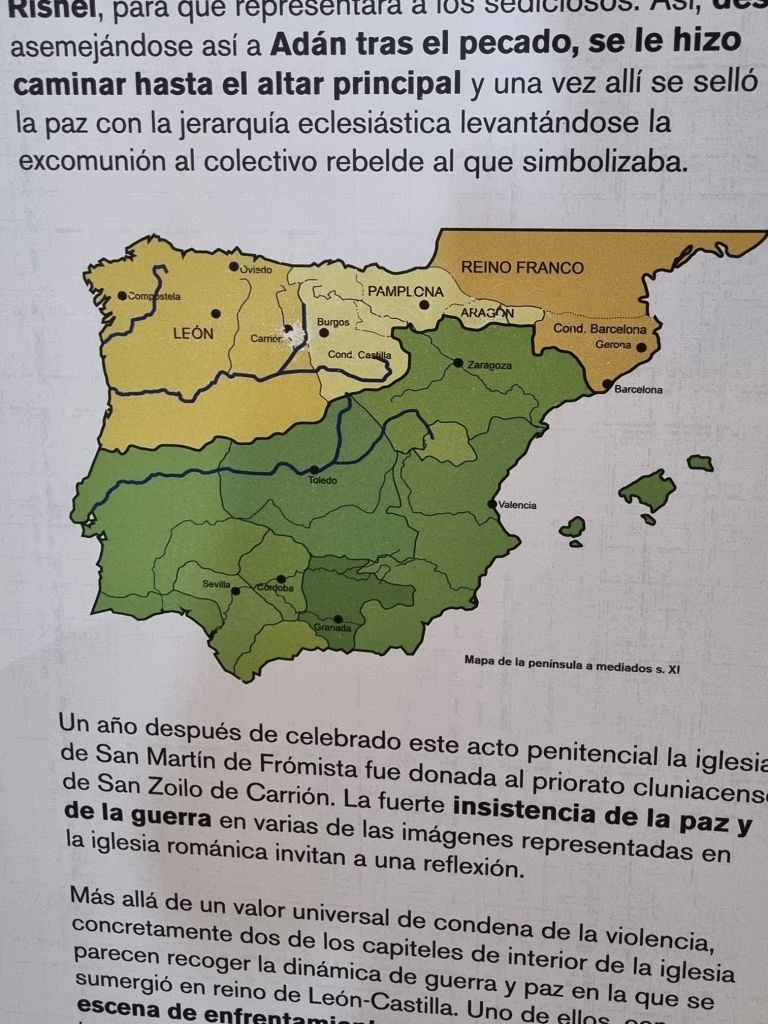
The Spanish peninsula was still primarily Al-Andalus

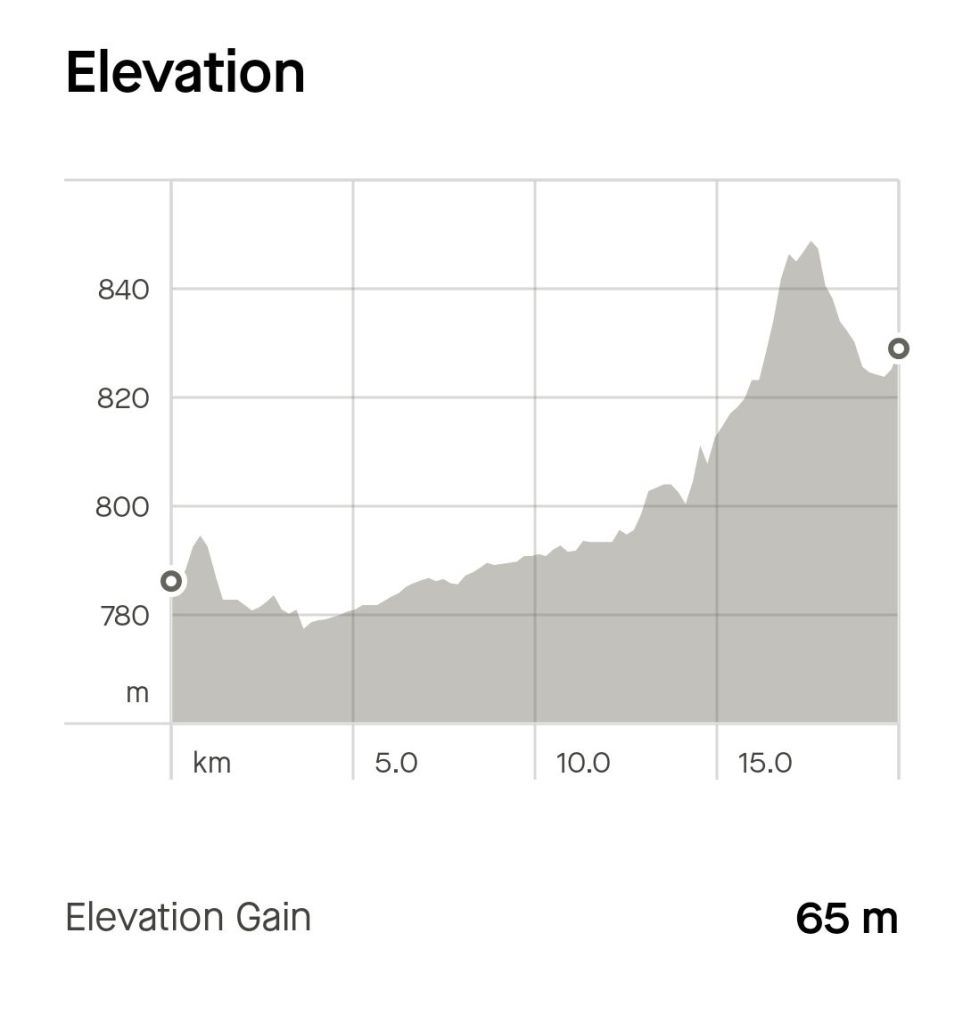
We had to rejoin the main road for a 5 km trudge up a gentle slope before Carrión appeared in the distance. We walked slightly shorter today at 20 km.

Carrión itself is a pleasant town with large churches and the remains of a city wall. We enjoyed a beer in the town plaza with fellow pilgrims we’ve met on the way.

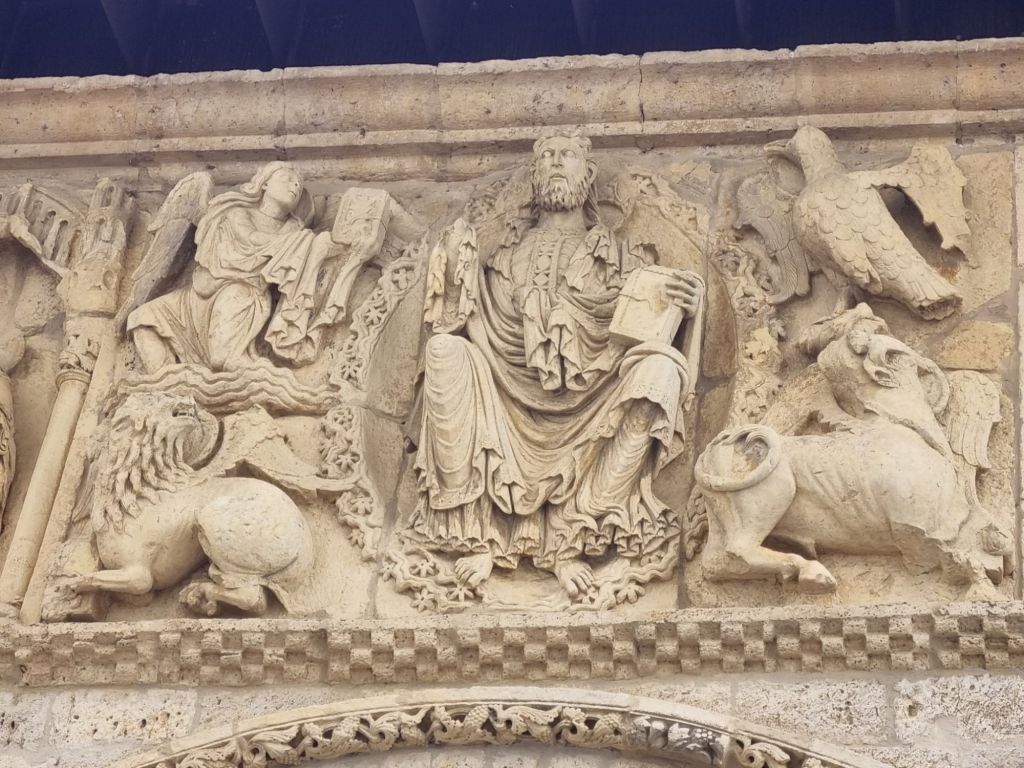
The Pantocrator
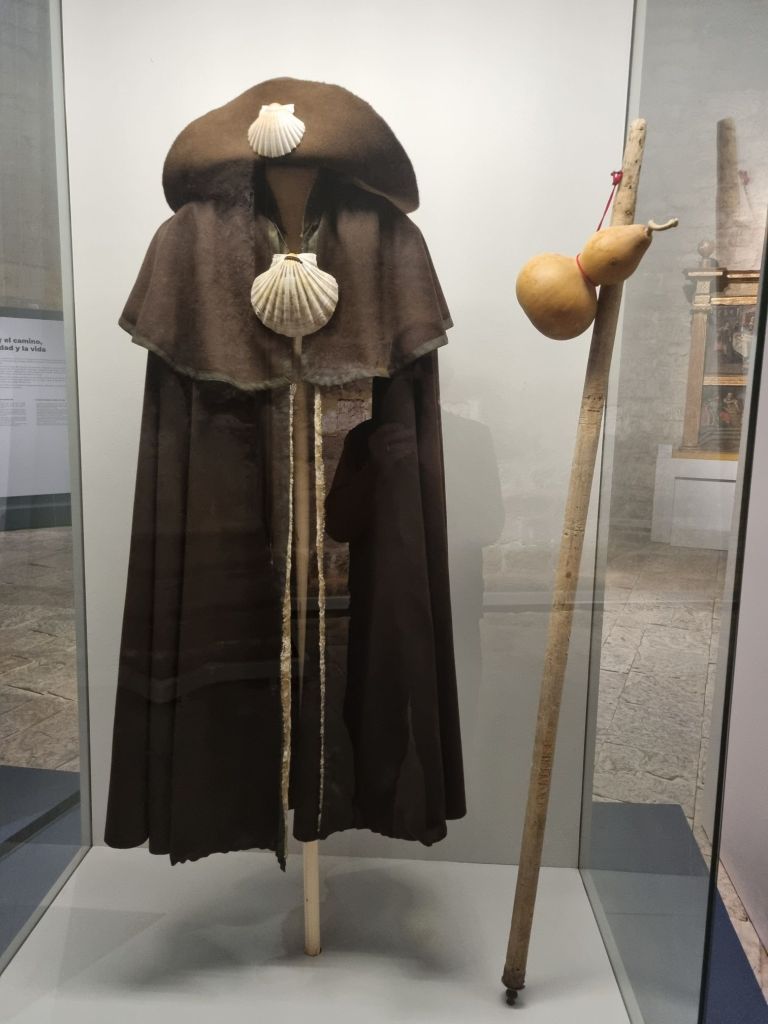
How the pilgrims of old travelled

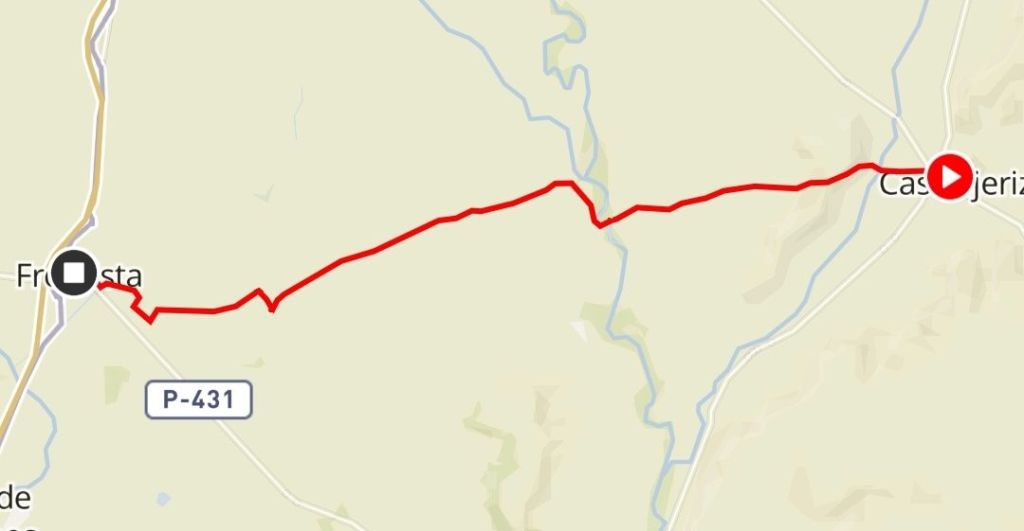
Day 3 – Castrojeriz a Frómista – An up and down day

Our day started with a short walk across what must have been marshy ground as we walked alongside an old Roman causeway. We crossed over the stream with a good bridge and then faced a 120 metre climb.

Fortunately the gradient was fairly mild and we were steadily at the top with a great view back to Castrojeriz.

From the top of Alto de Mostelares looking the other way out to the west there was a great landscape to enjoy.

Very shortly after the top we descended quickly, well slowly and carefully, down an 18% gradient. From then on we had a rolling countryside walk.

As we walk along the landscape slowly unfolds before us. It is never clear where the way will go. We had an enjoyable discussion about where we were to go through these small hills. It turned out to be the gap on the left.
There has been no rain to speak of but it clearly had rained hard last night as the roads were muddy and full of puddles. We felt right at home with this terrain. At one point we started to get warm so Beryl decided to take off her fleece. It immediately started hailing but thankfully for only a short while.

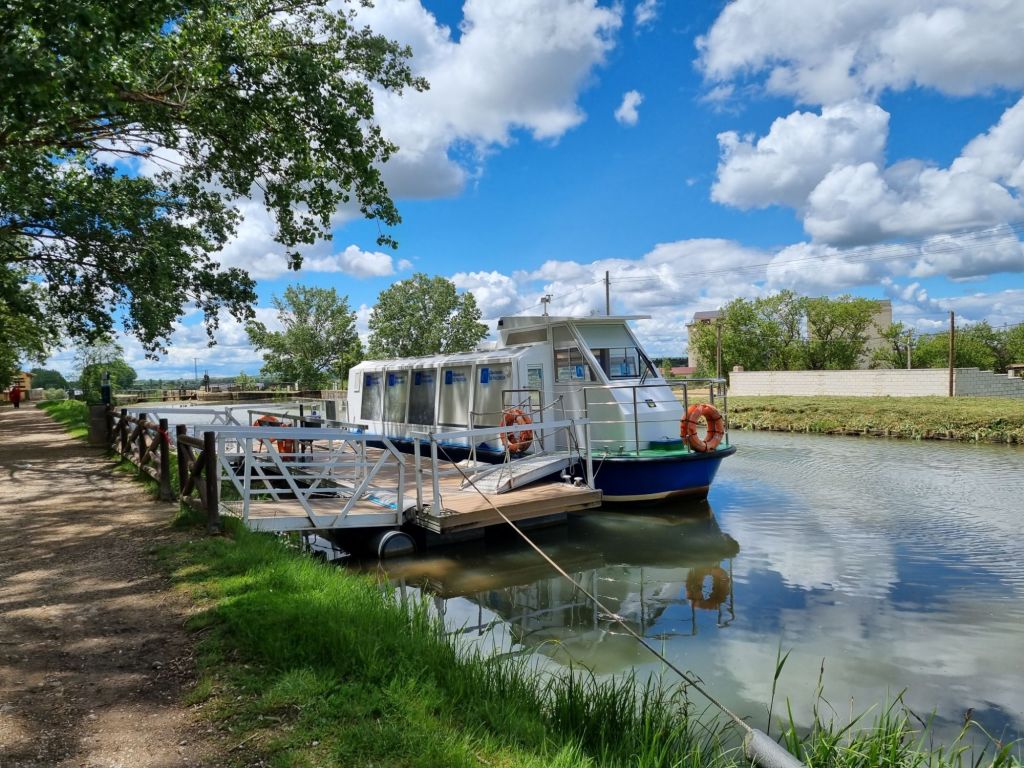
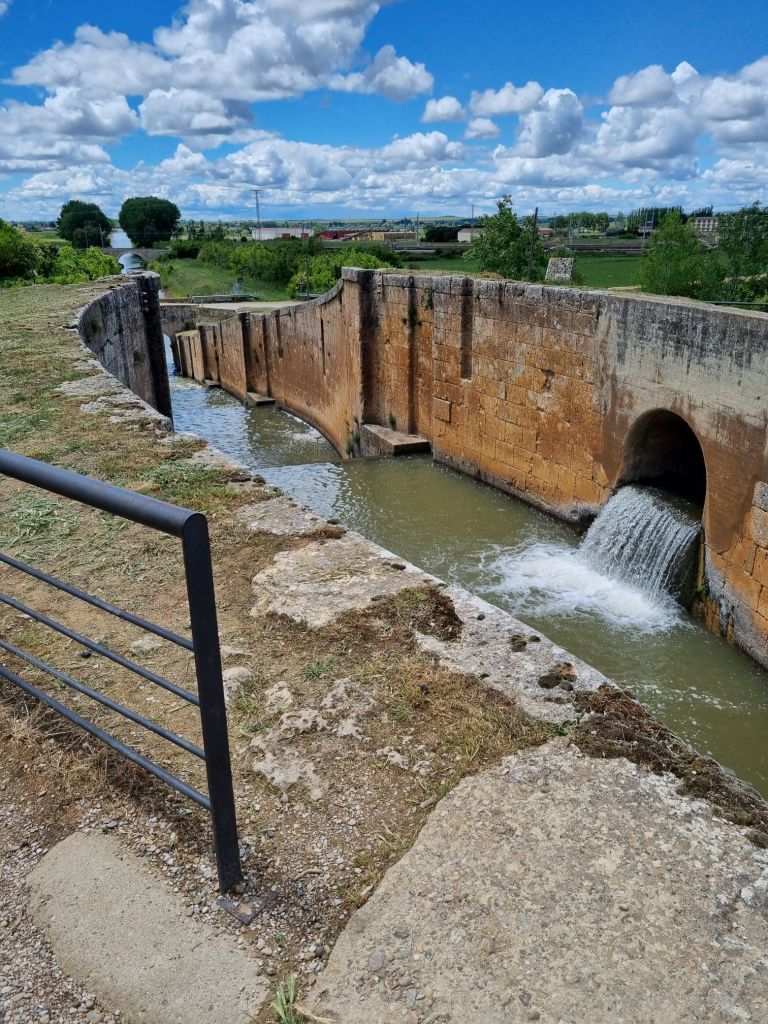
There were plenty of irrigation channels and some fields being irrigated. We suddenly came across a large canal with a pleasure boat disappearing in the distance. This is the Canal de Castilla which was started in the mid 18th century. It was planned to transport goods to and from Santander on the coast but never actually got that far.

The railways in the late 19th century did for the canal and it was closed to traffic in the beginning of the 20th century. The canal is still used for moving water around for irrigation purposes.

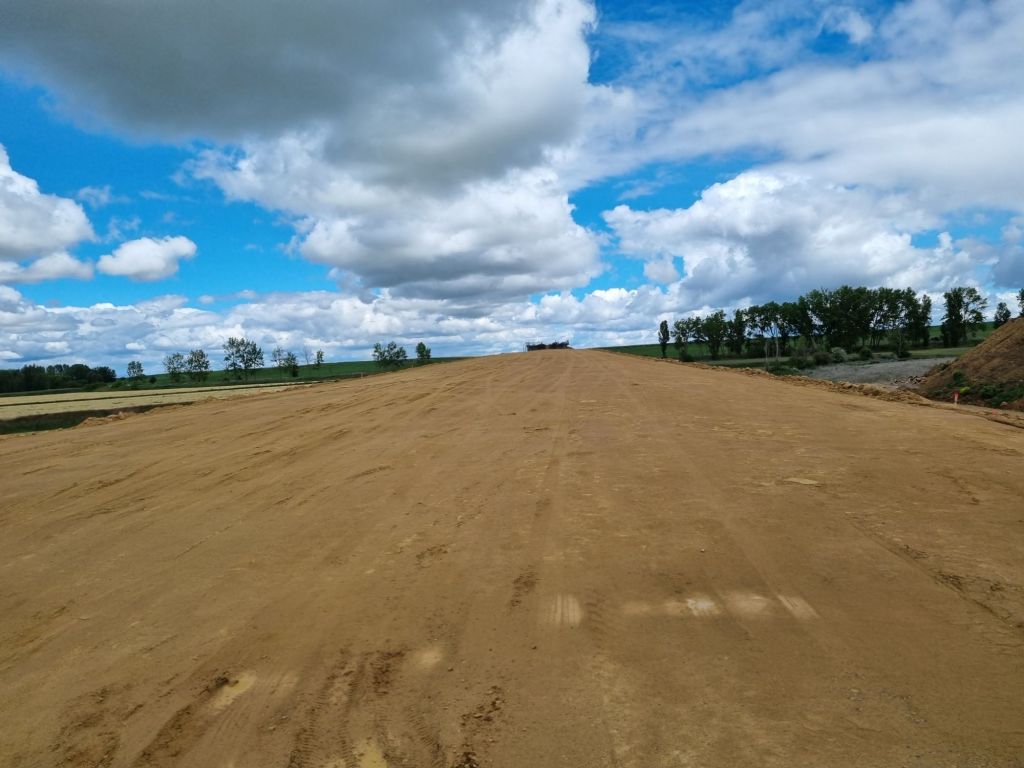
We were diverted off the canal path by large construction works which we had to cross away from the canal. This is yet further rail development but this time a high speed line up to Santander. Comparisons with UK high speed rail come to mind.

We eventually arrived in Frómista. This has been our longest day so far this year at 26 km. Despite the distance we found our walking speed increasing as our legs loosen up. Good to arrive and not be too exhausted.

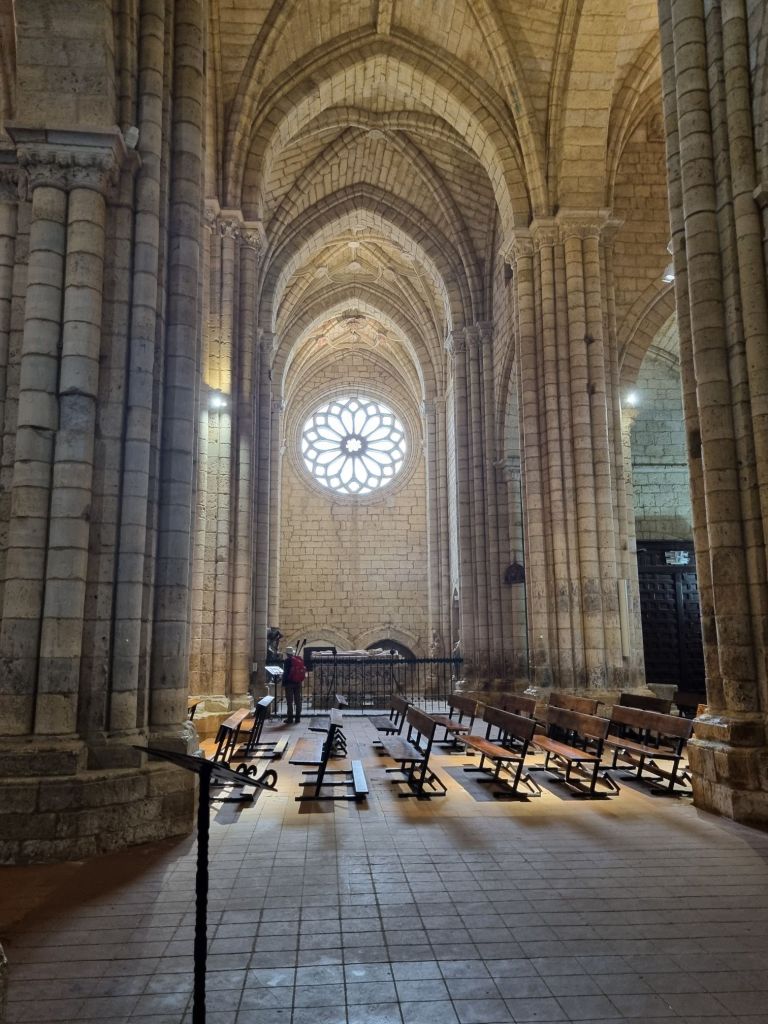
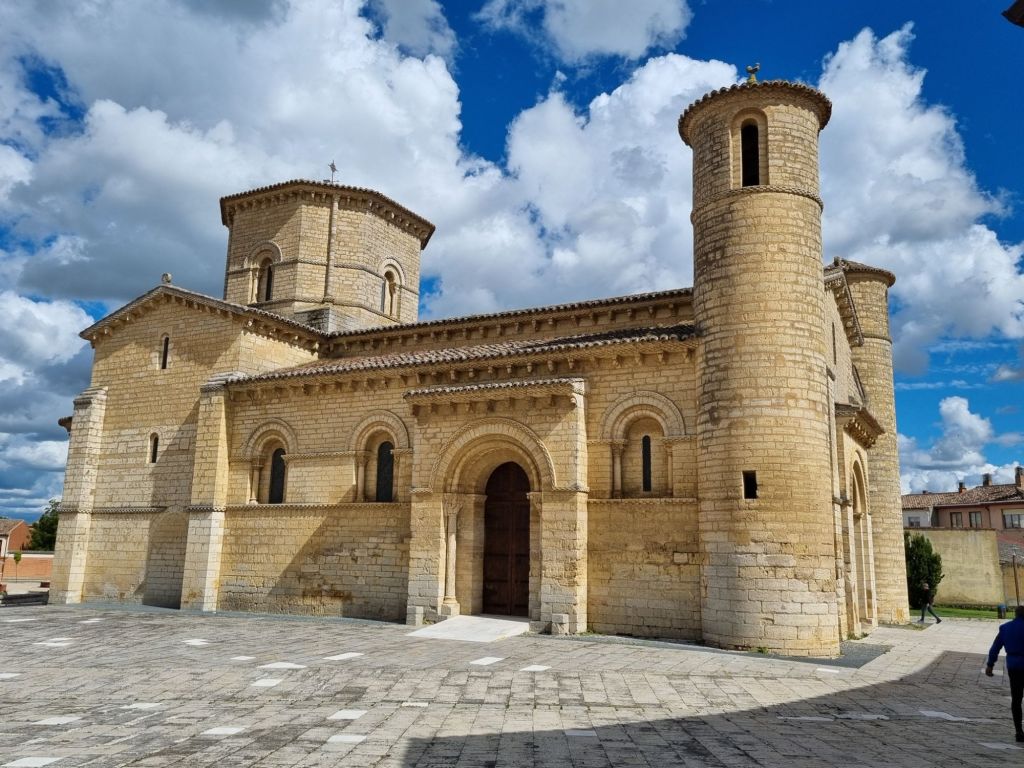
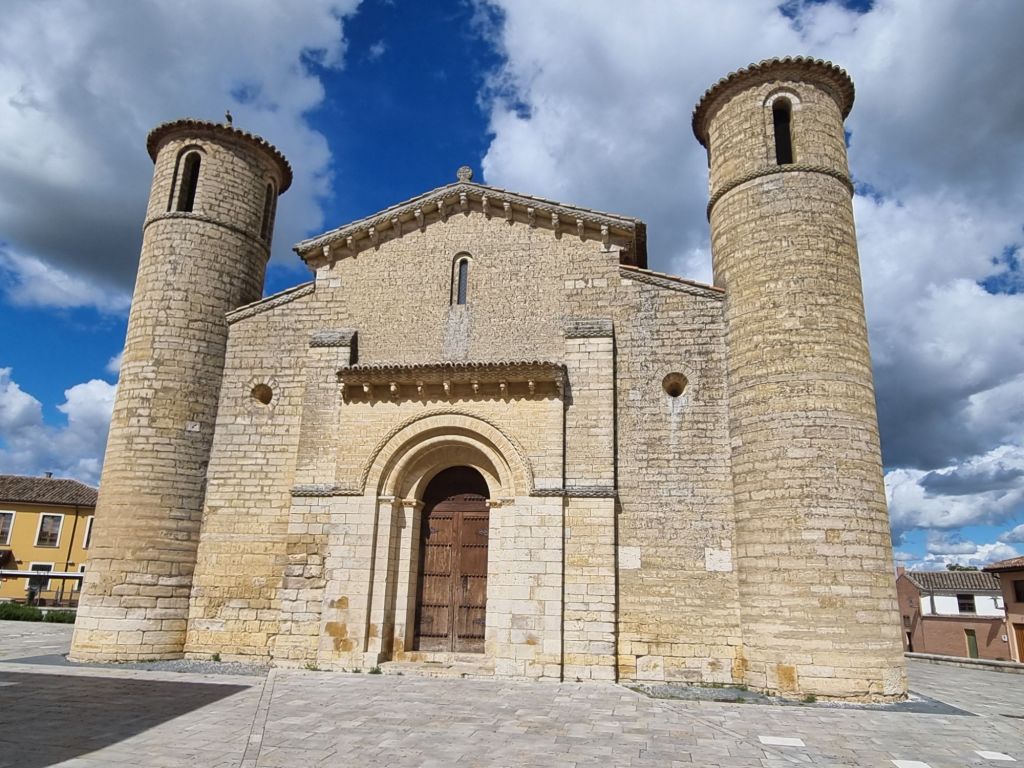
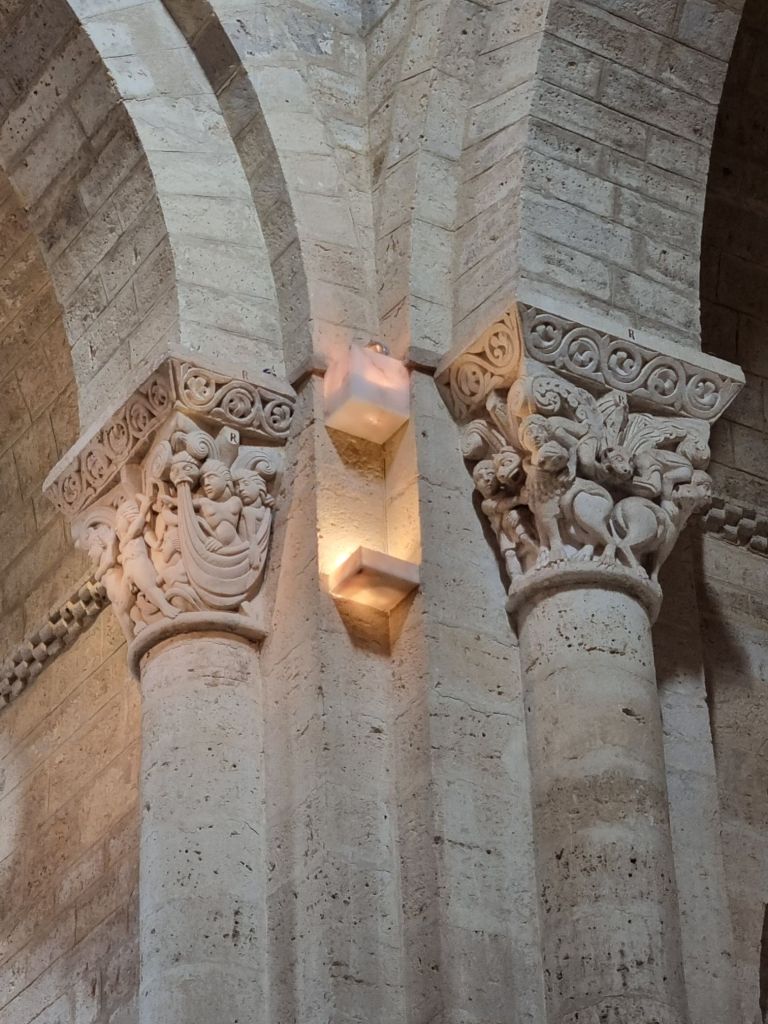
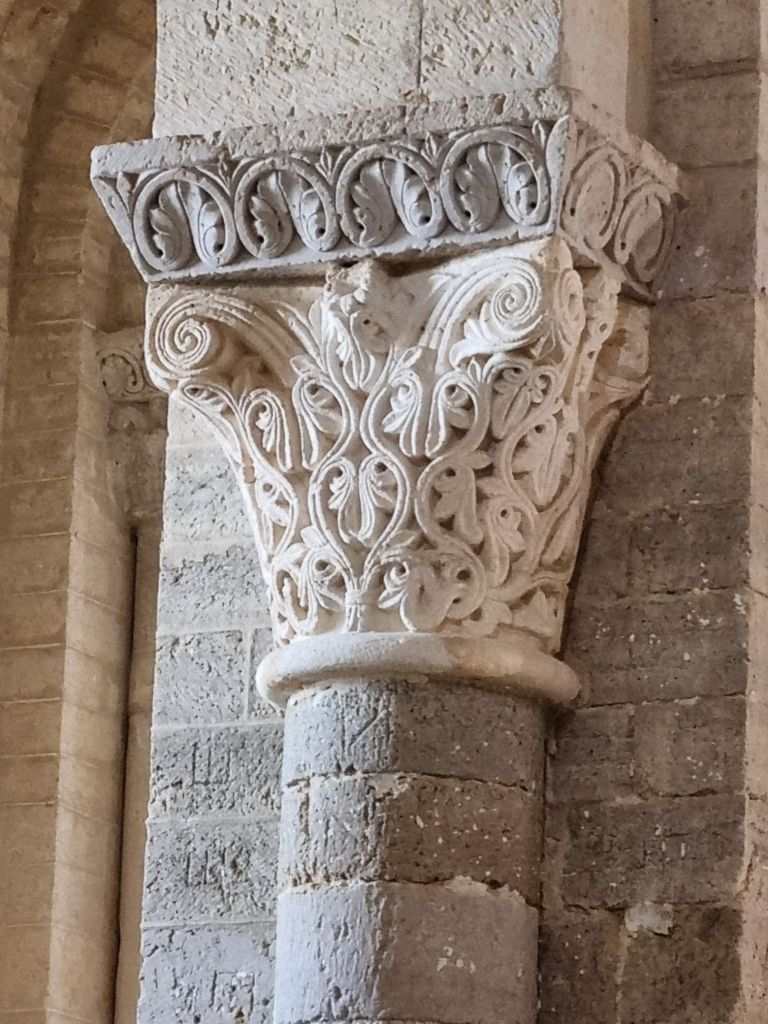
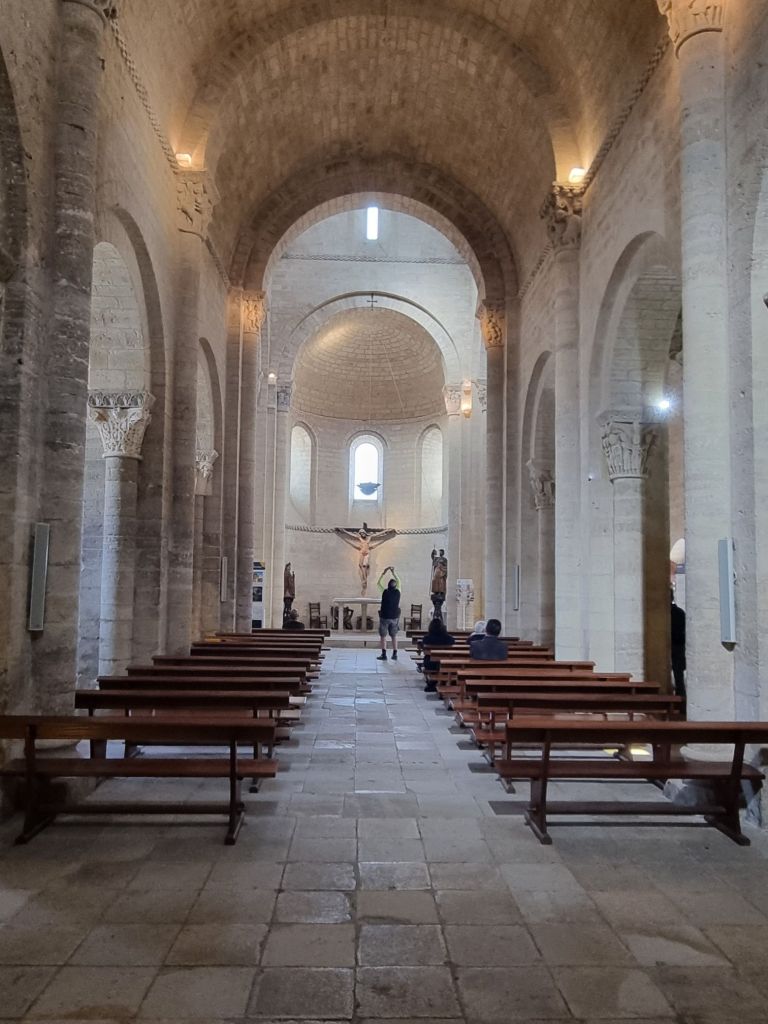
We visited the church of San Martín which was originally constructed in 20 years from 1066. It was in a great state of of disrepair until restored at the end of the 19th century. The church is now a National Monument as a well preserved Romanesque building. It is most beautiful.

Day 2 – Hornillos to Castrojeriz

Seven of us were given a lift yesterday to our rural hotel in Isar, just 3 km up the road. We all enjoyed dinner together. With two Canadians, an Australian, an American and three Brits we had a good time conversing with each other. This was presumably more like the convivial experience in the pilgrim hostels or albergues but we definitely prefer the hotel life in general.

This morning we were given a lift back to Hornillos at 8 o’clock. It was a chilly start but as we were immediately walking up hill it wasn’t too bad. Strava says it was 4° to start with and a 16 km/hr headwind. This wasn’t what we expected from Spain but it makes for pleasant walking.

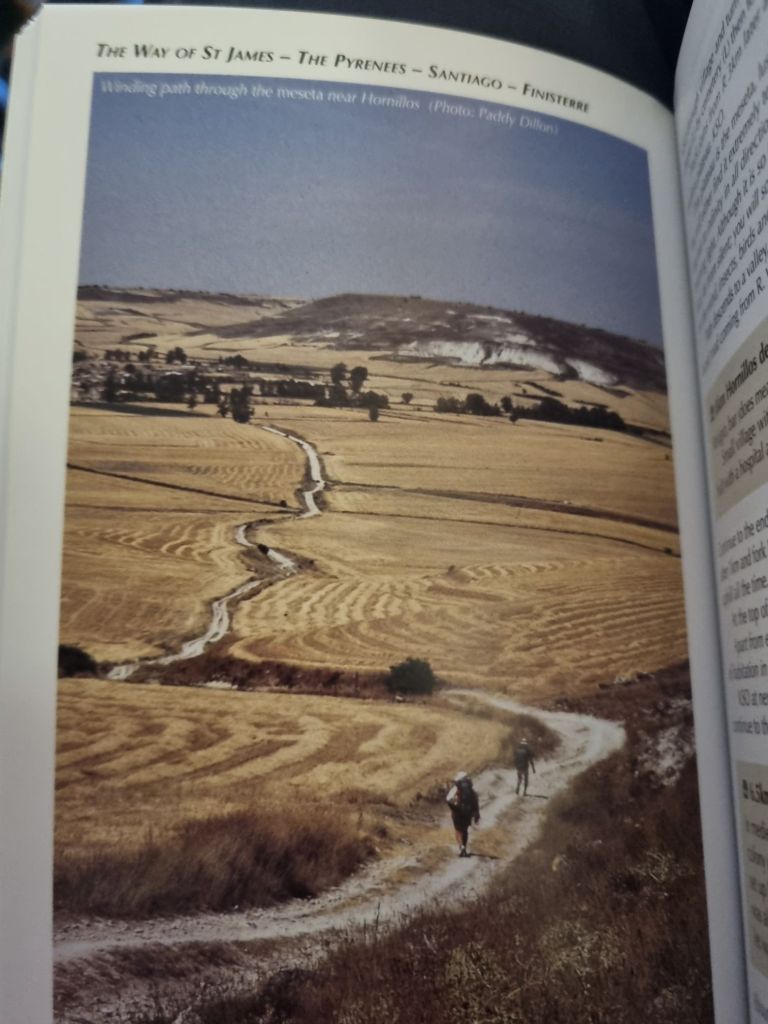
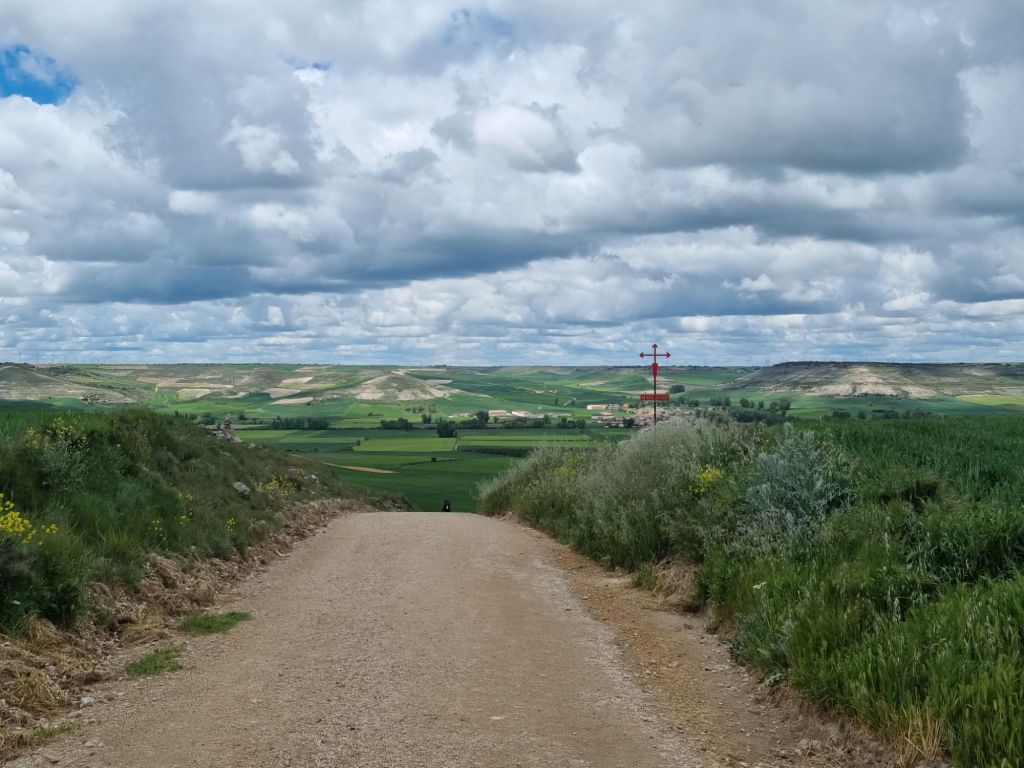
One guide book has a picture of the route in the height of summer. Although not taken from the exact same spot the green picture is of the the same valley as seen by us. We much prefer green and cool.

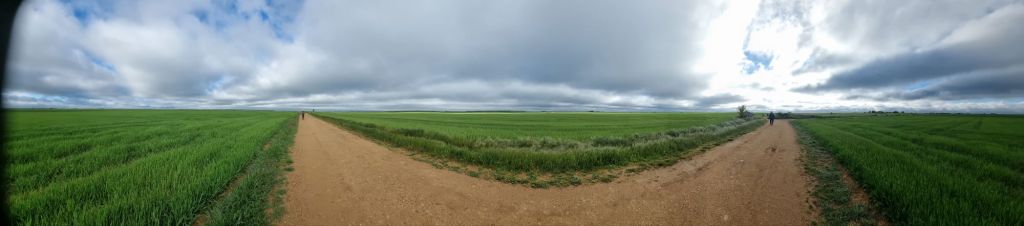
Our route today took us up onto the Meseta, a flat limestone plateau covered with wheat fields. It was flat all round with occasional water courses forming valleys.

A panoramic view of the Meseta

After the initial 120 metres of ascent it was pleasant walking along and down.

Half way along we came to the attractive village of Hontanas where we had a welcome pan con chocolat with our coffee. The church was attractive with meditative music. I am trying to enjoy the emotions without engaging the rational mind.

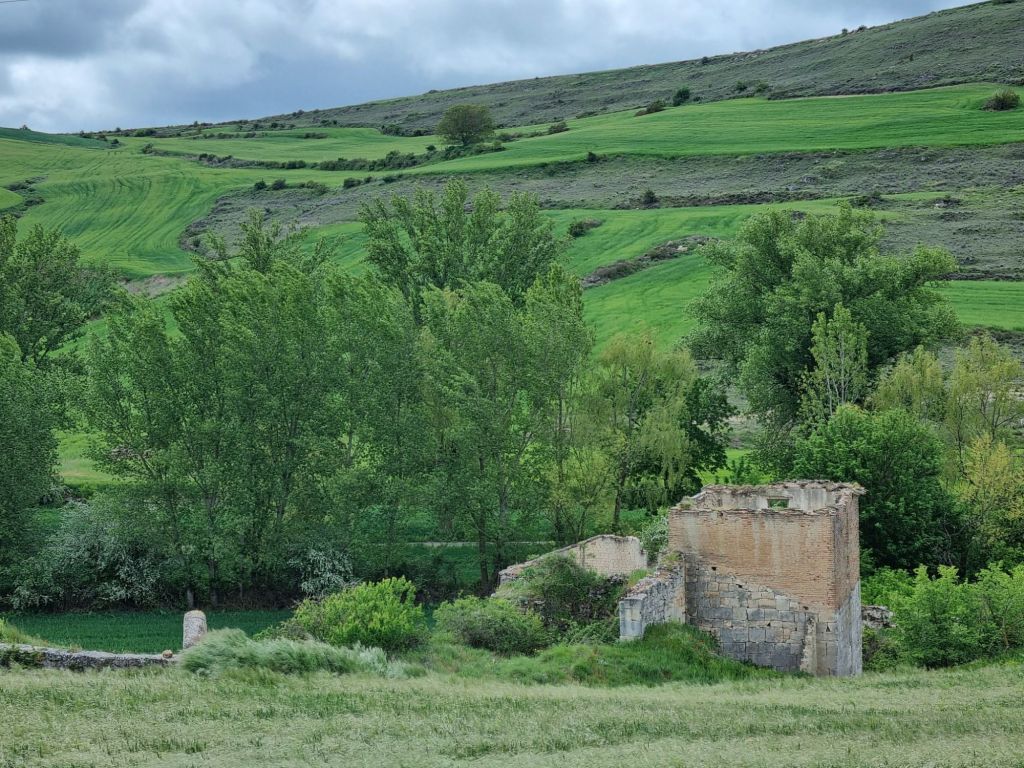
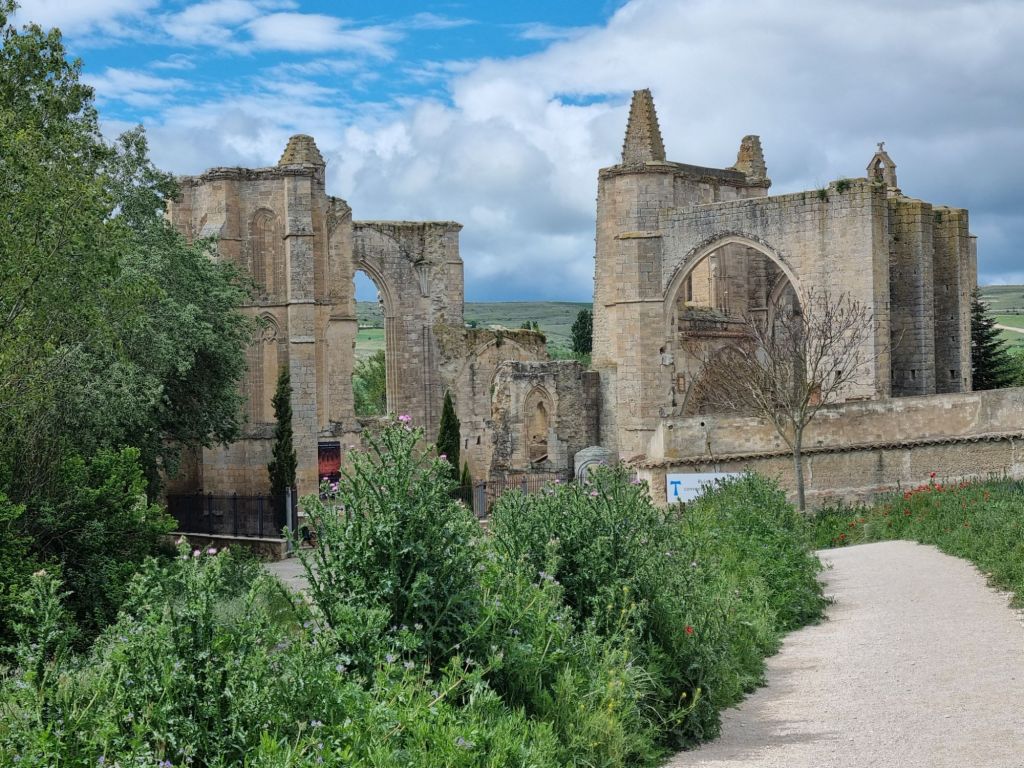
The walk gently downhill was most pleasant with the ruins of an abandoned village and a 14th century convent.

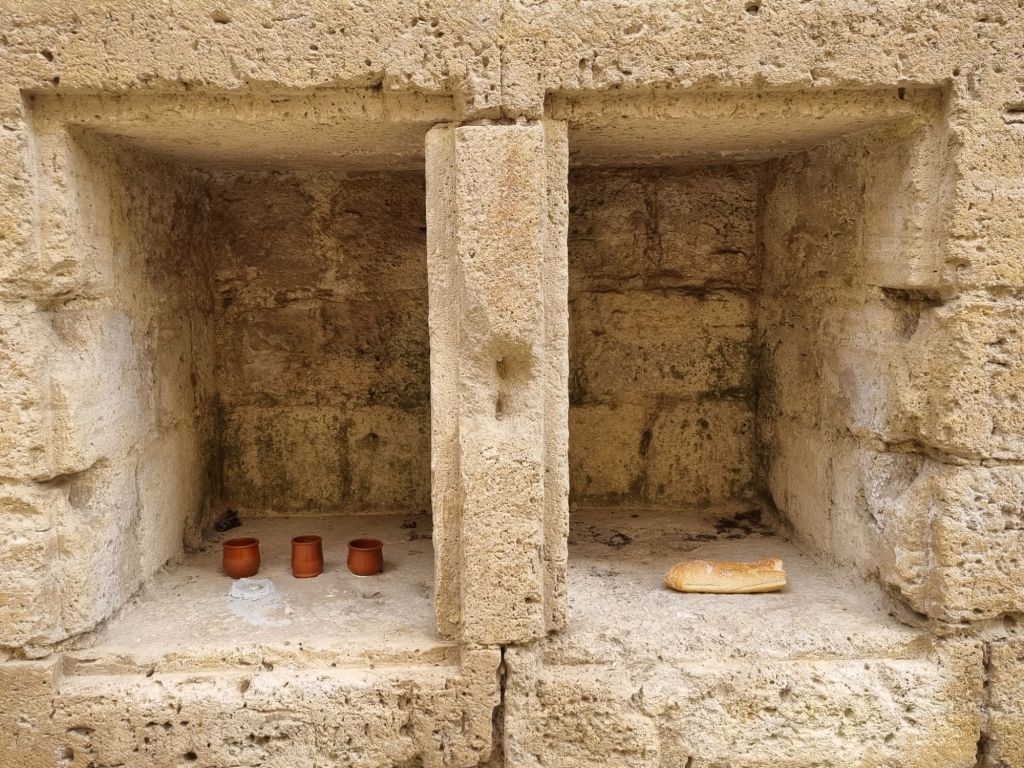
Niches at the convent where wine and bread were left for pilgrims (Unfortunately not used any more)

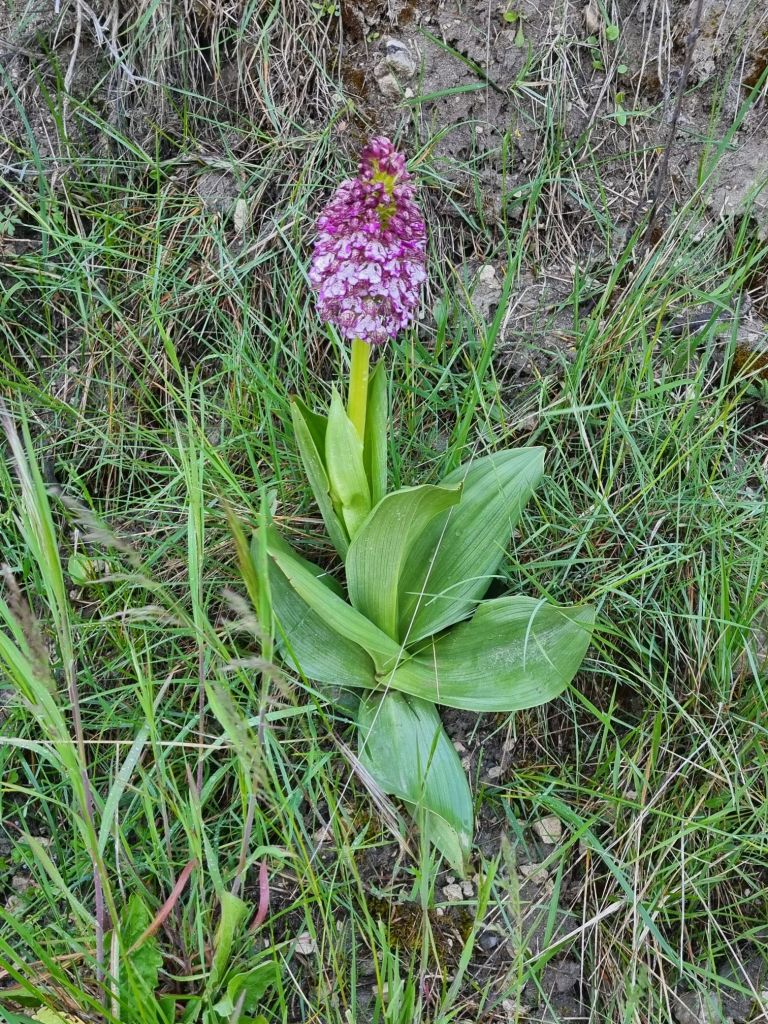
All along the way there was a profusion of wild flowers along the edges of the fields. A lovely big orchid, lots of poppies, thistles with a variety of colours, geraniums and many others.

At the end of the day, actually around lunchtime, Castrojeriz came into view with a castle on top of the hill, a large church and the village itself.

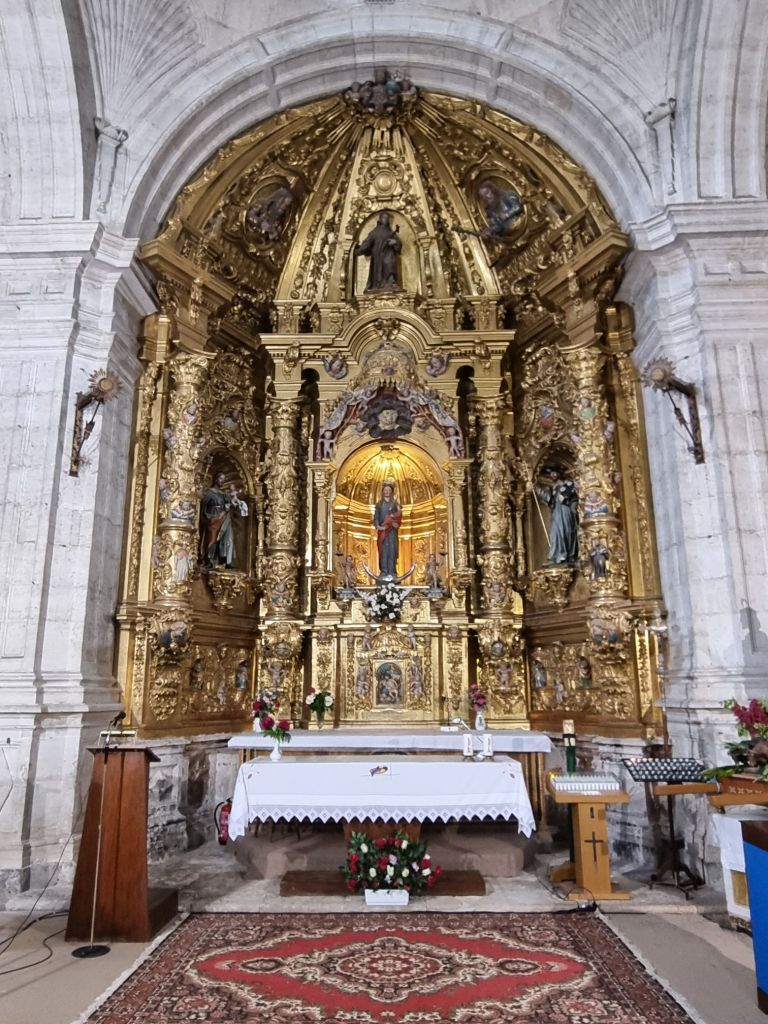
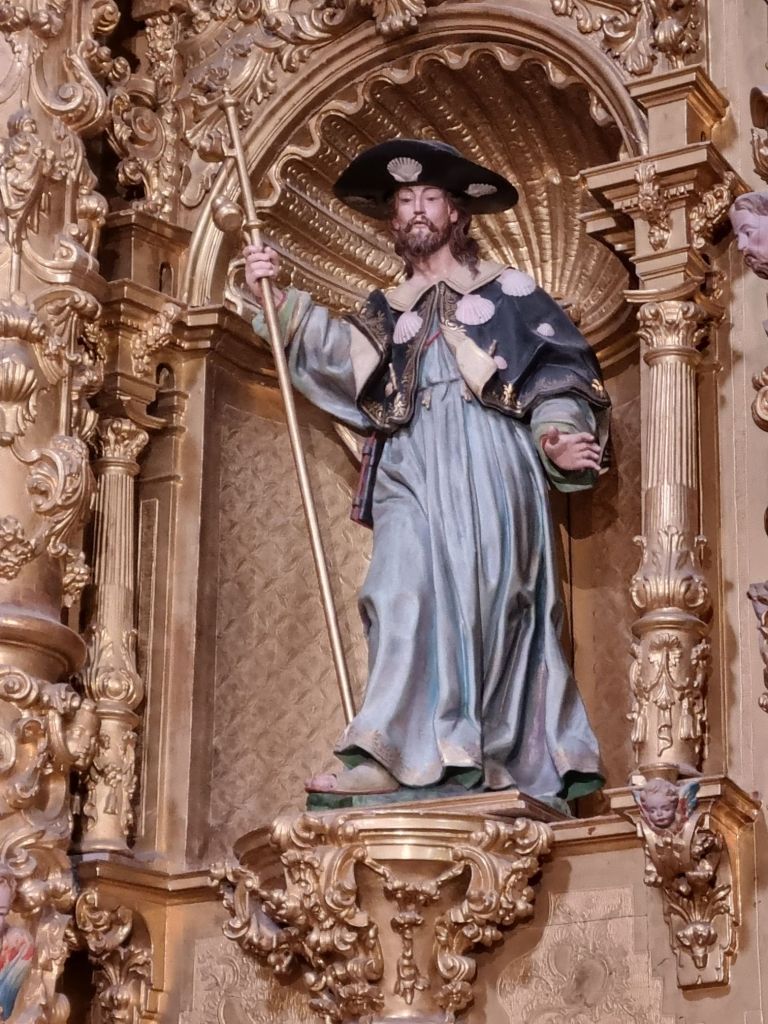
The church of Nuestro Señora del Manzano – Our Lady of the Apple Tree – was well worth visiting. The choir stalls were again in the centre of the church not before the altar as would be English custom. The reredos were on a grand scale. I particularly enjoyed the fine statute of St James as a pilgrim decorated with scallop shells.
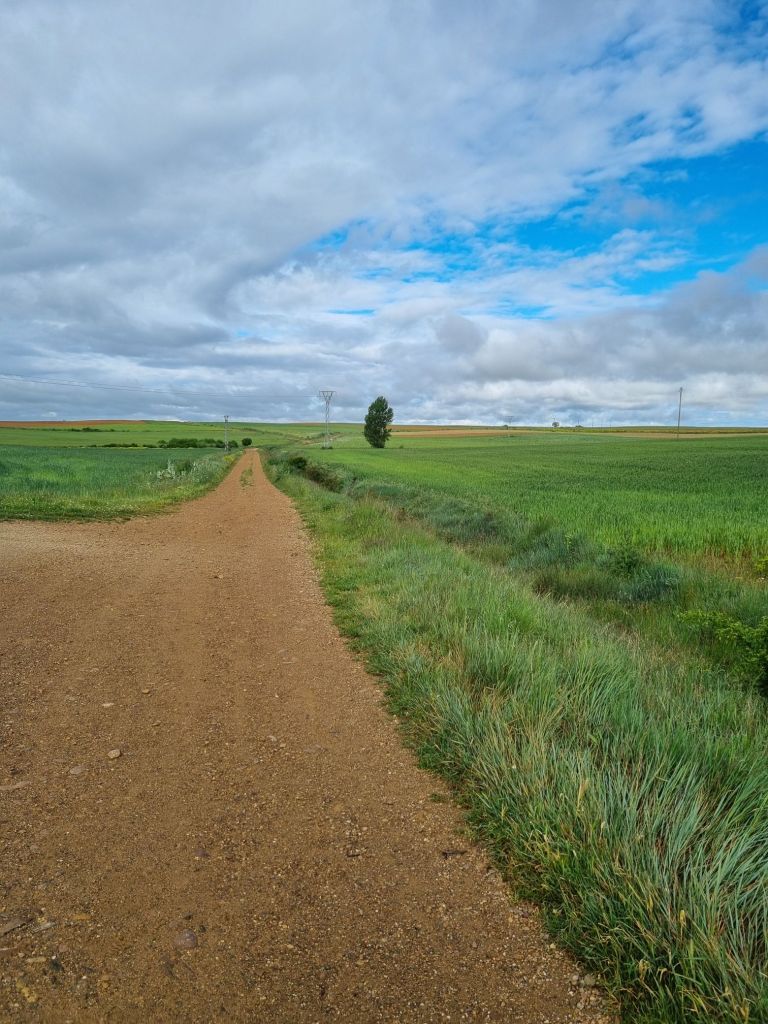
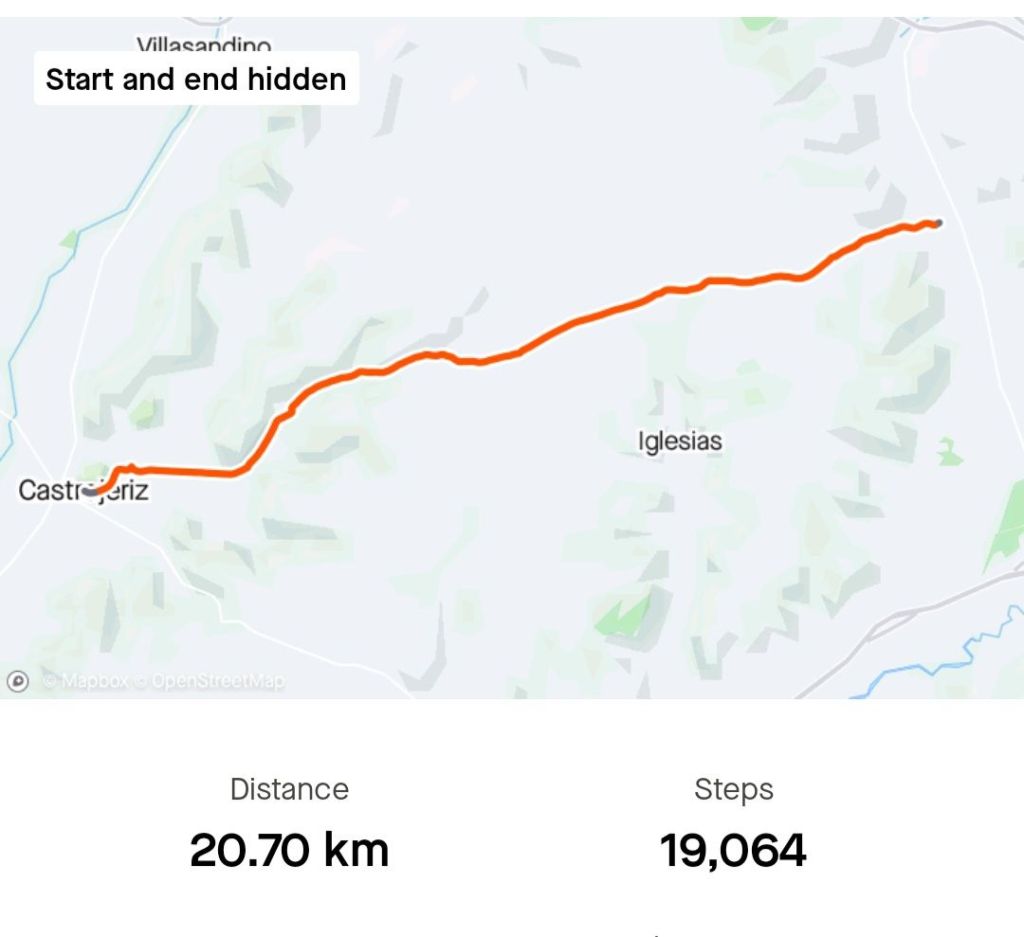
Our 21 km walk went easily today. It’s been good to ease ourselves in this way. Four more walking days before our rest day in Sahagún.

Onwards from Burgos

In Burgos

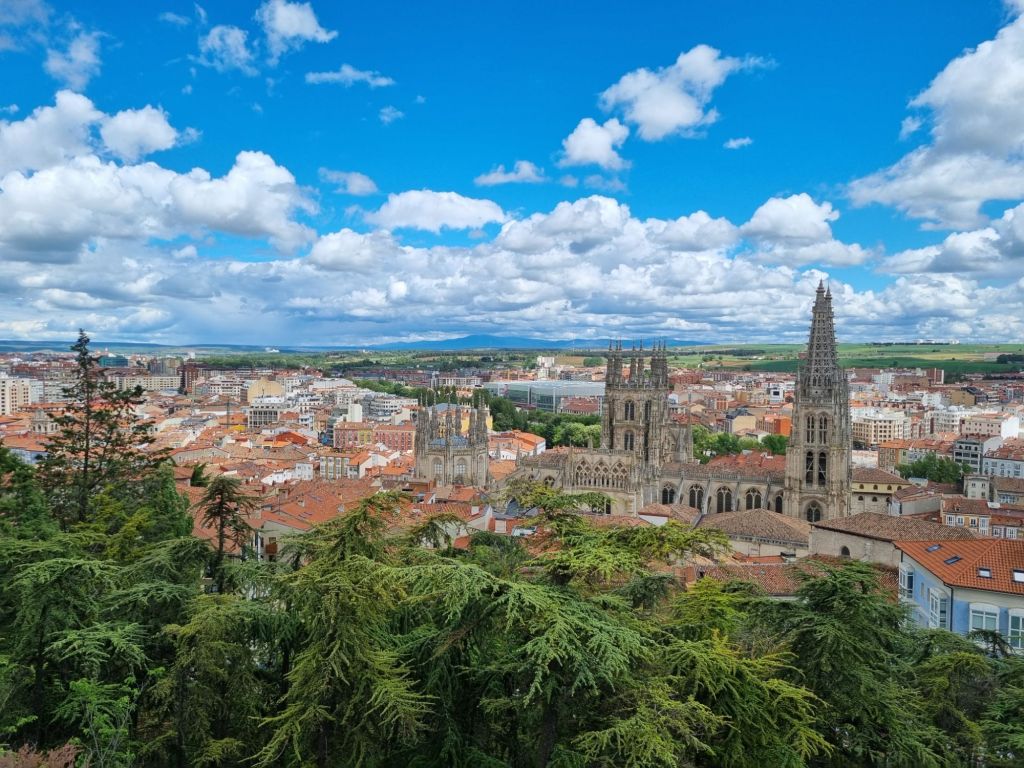
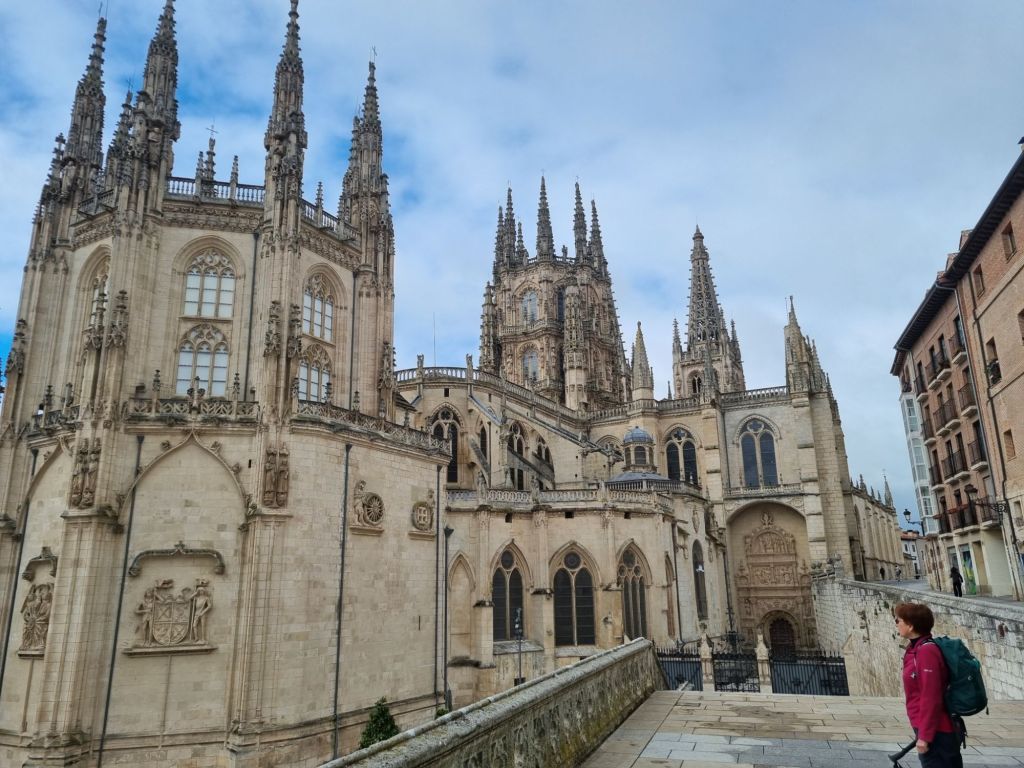
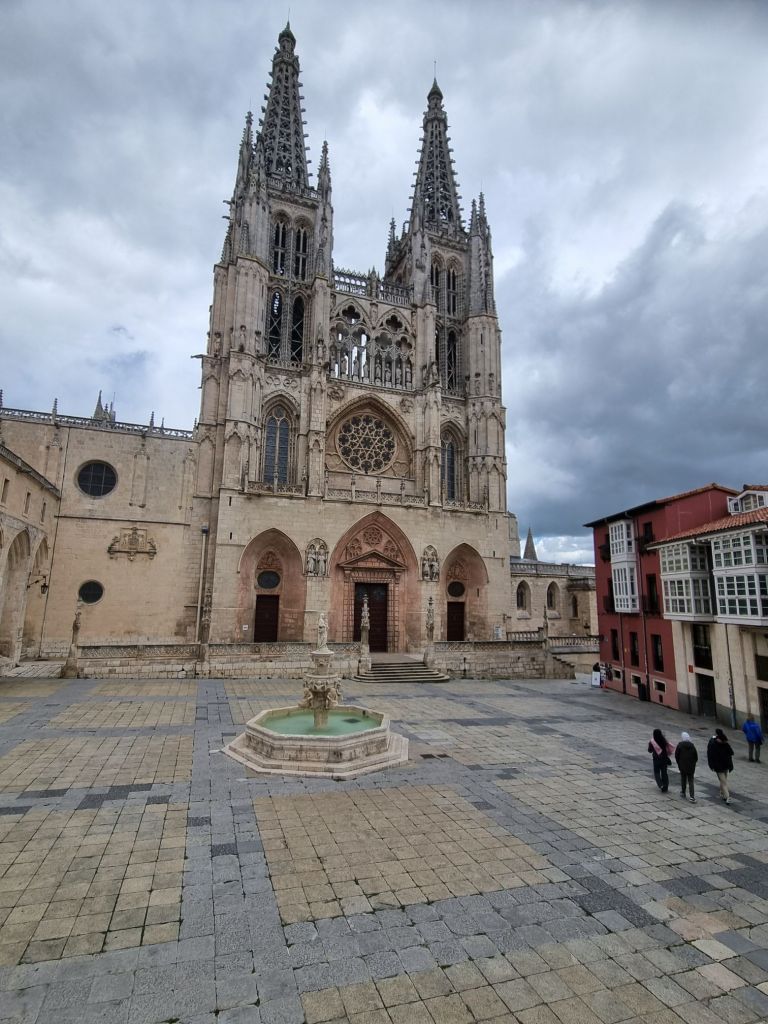
Yesterday afternoon we enjoyed a walk around Burgos with which we were much impressed last year. It was good to see the city and cathedral from different angles.
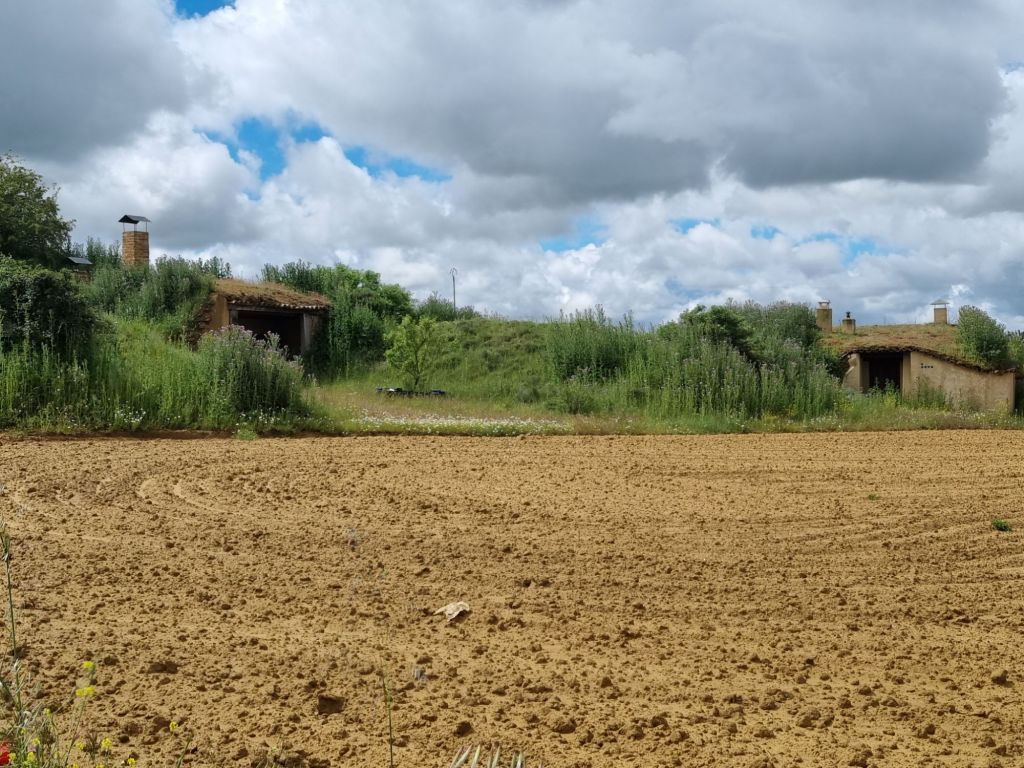
Burgos
Burgos cathedral
The west door

After a fine dining experience last evening we set off this morning a little bleary eyed. The cold wind soon got us going. It was around 5º. The maximum during the walk was 12º but fine for walking and it stayed dry.
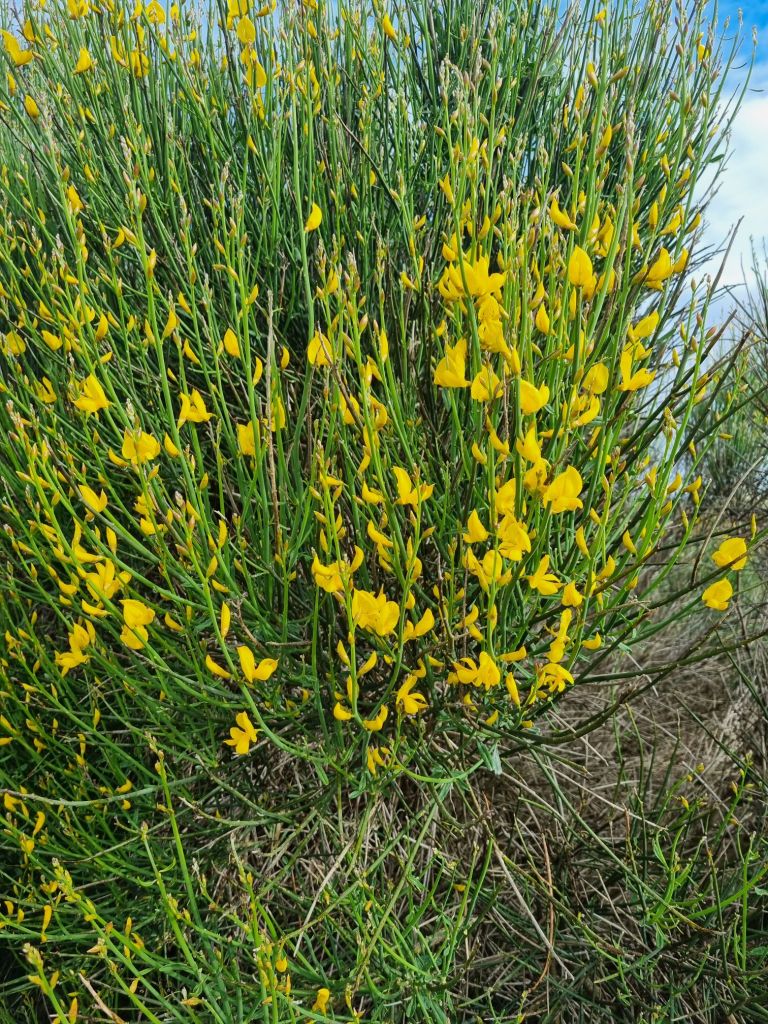
The walk to the edge of the city was about 5 km which wasn’t as good as being in the countryside. On the way we passed the University of Burgos law faculty which is housed in an old pilgrims hospital set up by Alfonso VIII and his wife Leonor de Inglaterra who was the daughter of Henry II of England and Eleanor of Acquitaine. Plenty of marriage across the European monarchies.
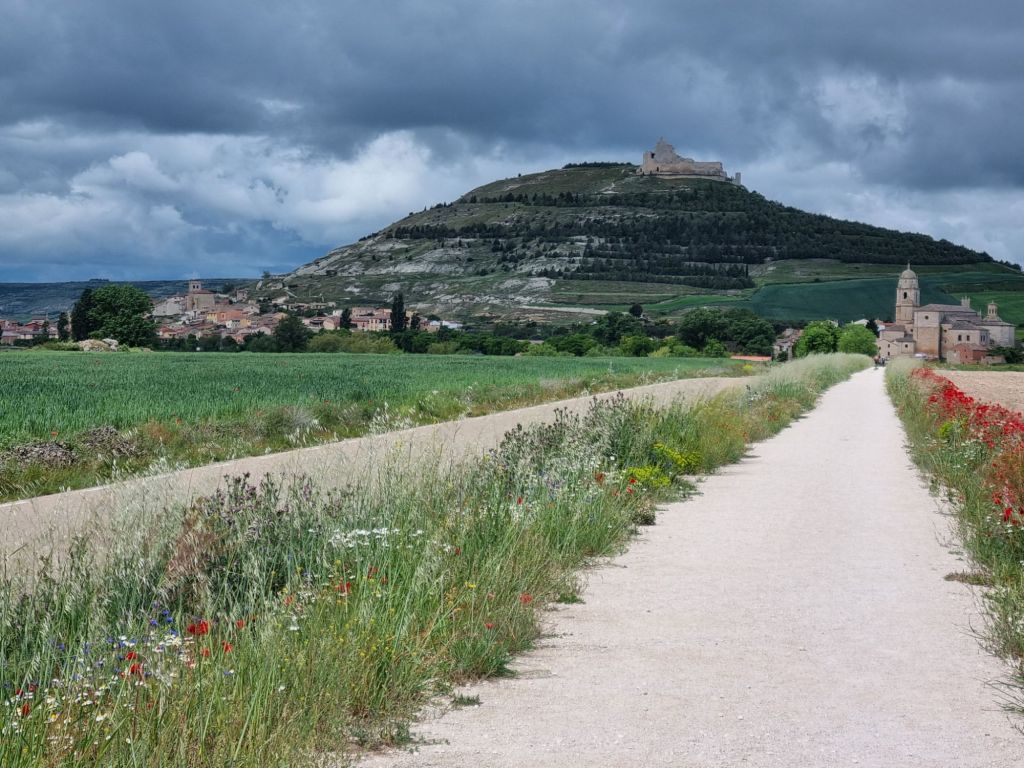
We eventually arrived in green fields of wheat. After passing under a large road intersection we crossed the delightful Río Arlanzón which flows west. This is very much green Spain.
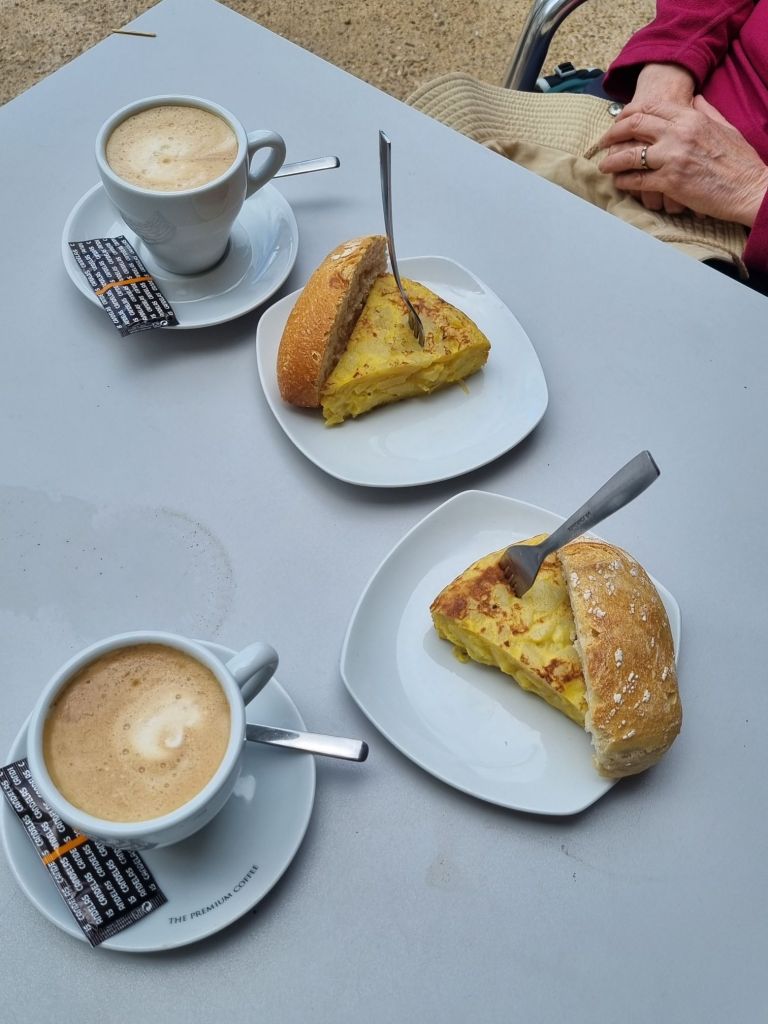
At Tradajos we were half way on the day’s walk so time for our favourite Spanish walking food – tortilla patatas. It was excellent value all in at €7. Food is much cheaper here.

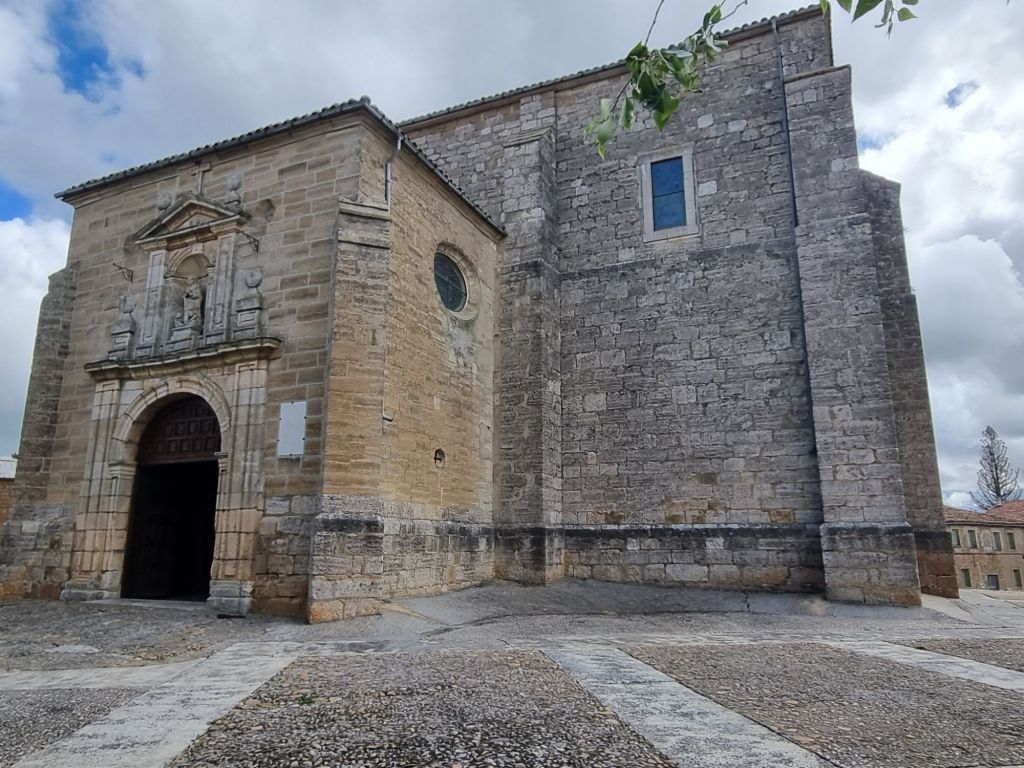
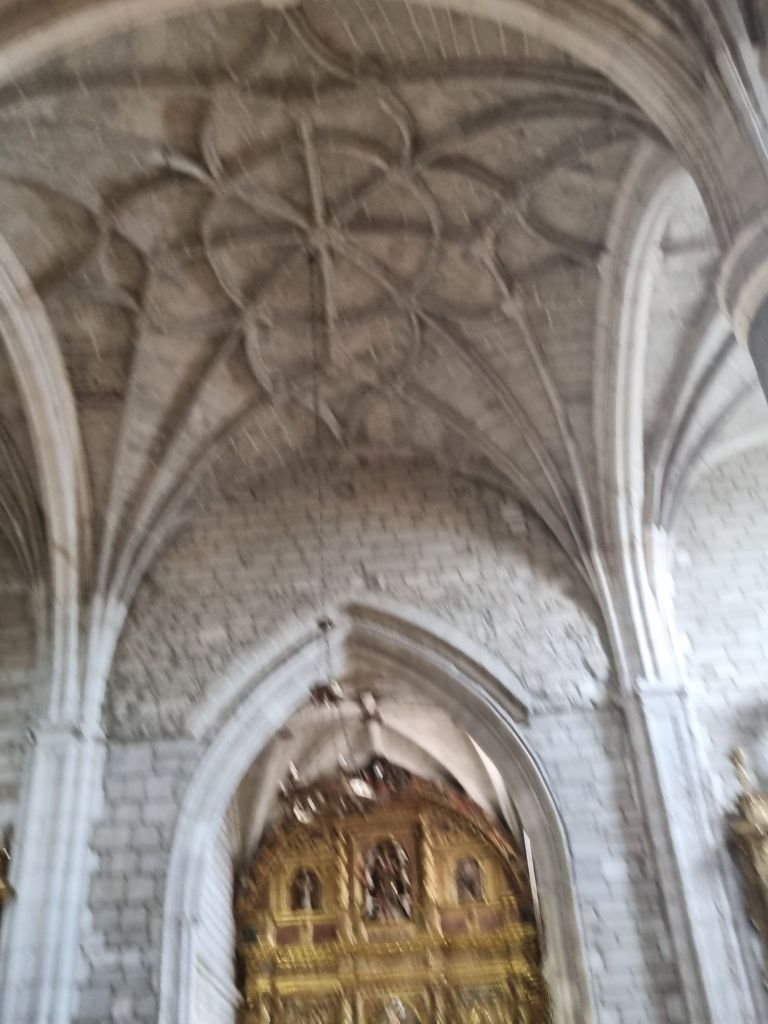
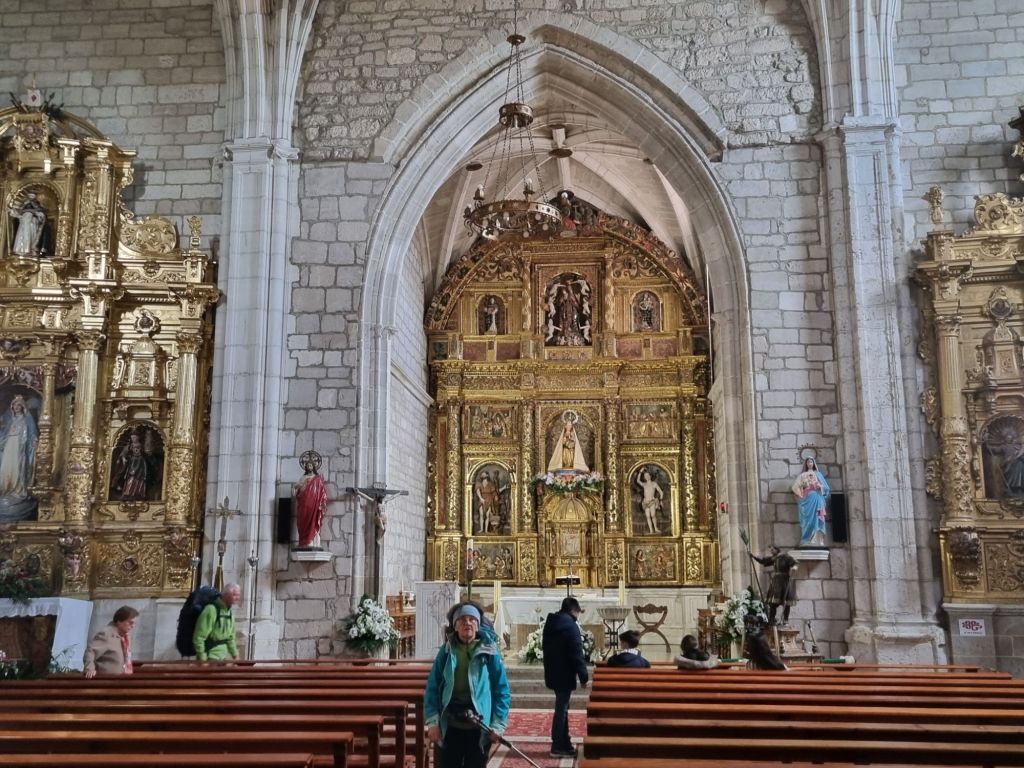
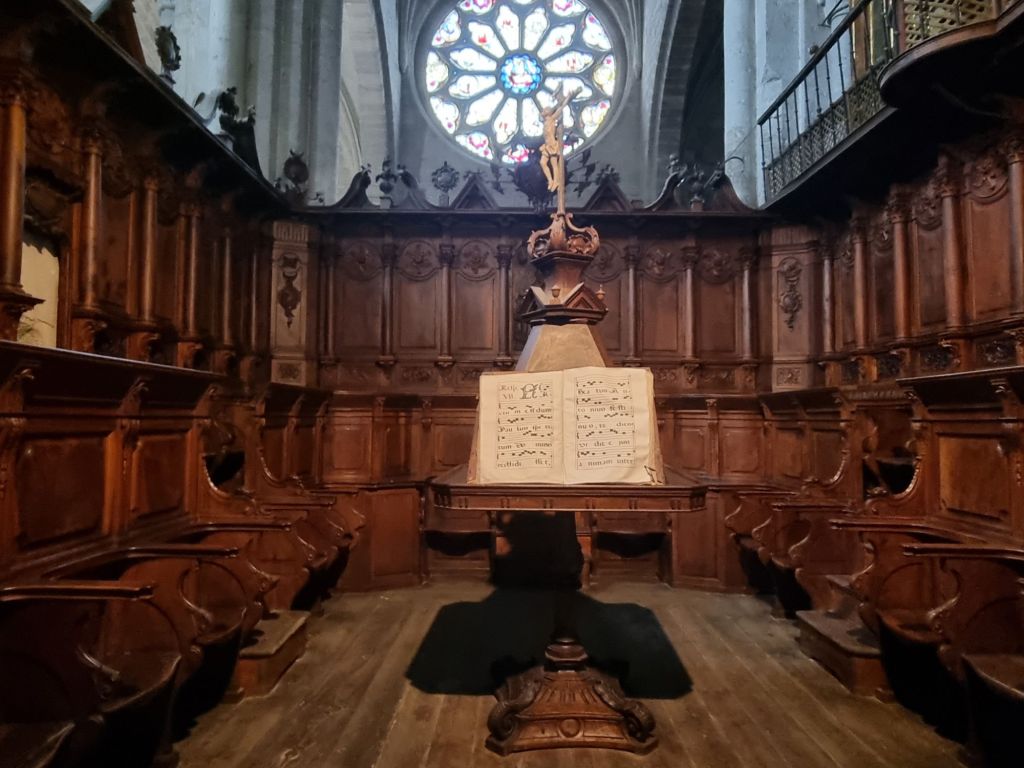
At Rabé de la Calzadas we stepped into the church. It was rather unassuming outside but a beautiful high ceiling inside and grand altar pieces.

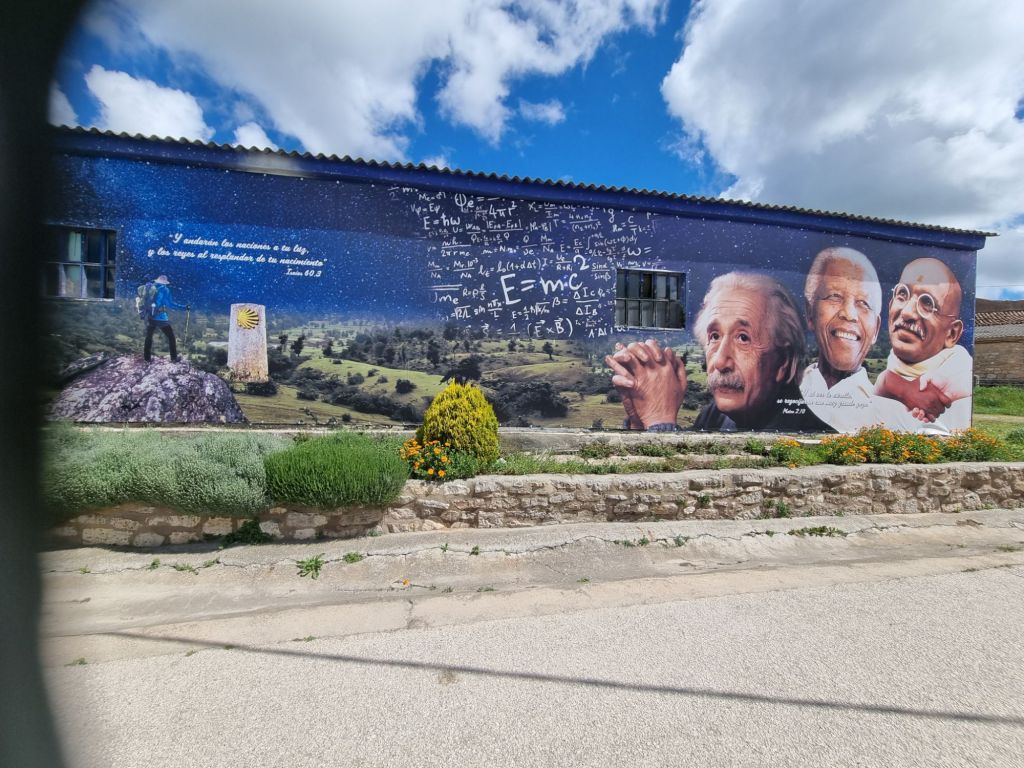
Along the road the buildings had been covered with large murals depicting Biblical scenes. I was particularly struck with the three wise men. It was pleasing to see physics equations in rural life.

At a small chapel we were greeted by a friendly woman who gave us a pilgrim’s blessing. Although the Marian theology is not in my background I was strangely warmed by this experience.

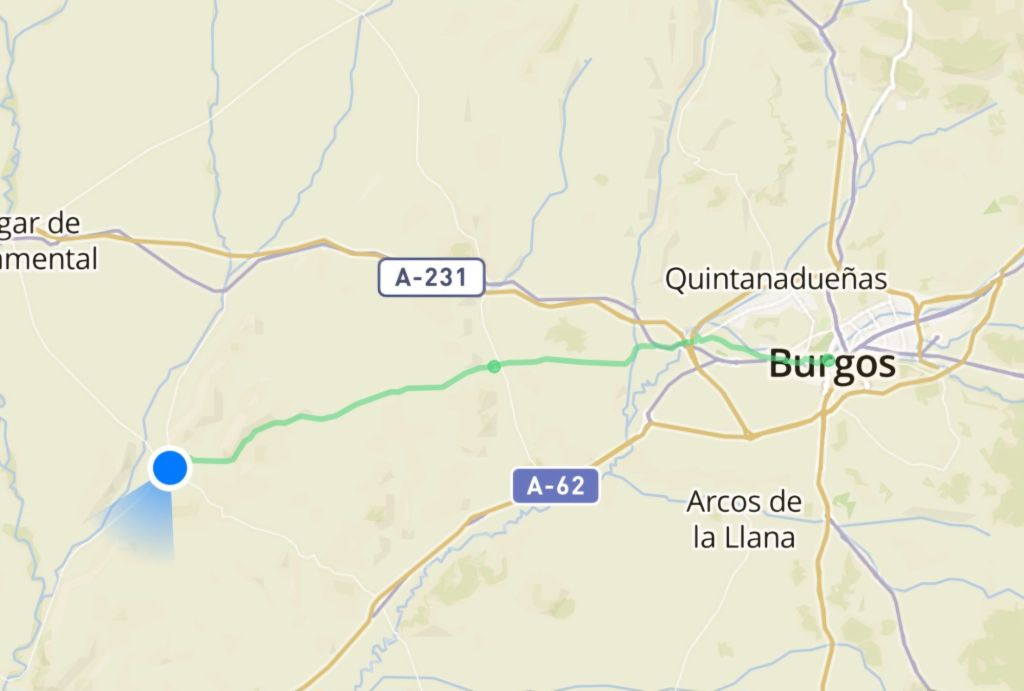
We pressed on up a long slope through green fields until we finished our walk in Hornillos del Camino. Our hotel this evening is in a small village 3 km up the road. It’s not ideal to move from the Way but it’s all worked fine.

It’s been a good first day and great to be back with time to muse and reflect. 23 km completed.

Design a site like this with WordPress.com
Get started